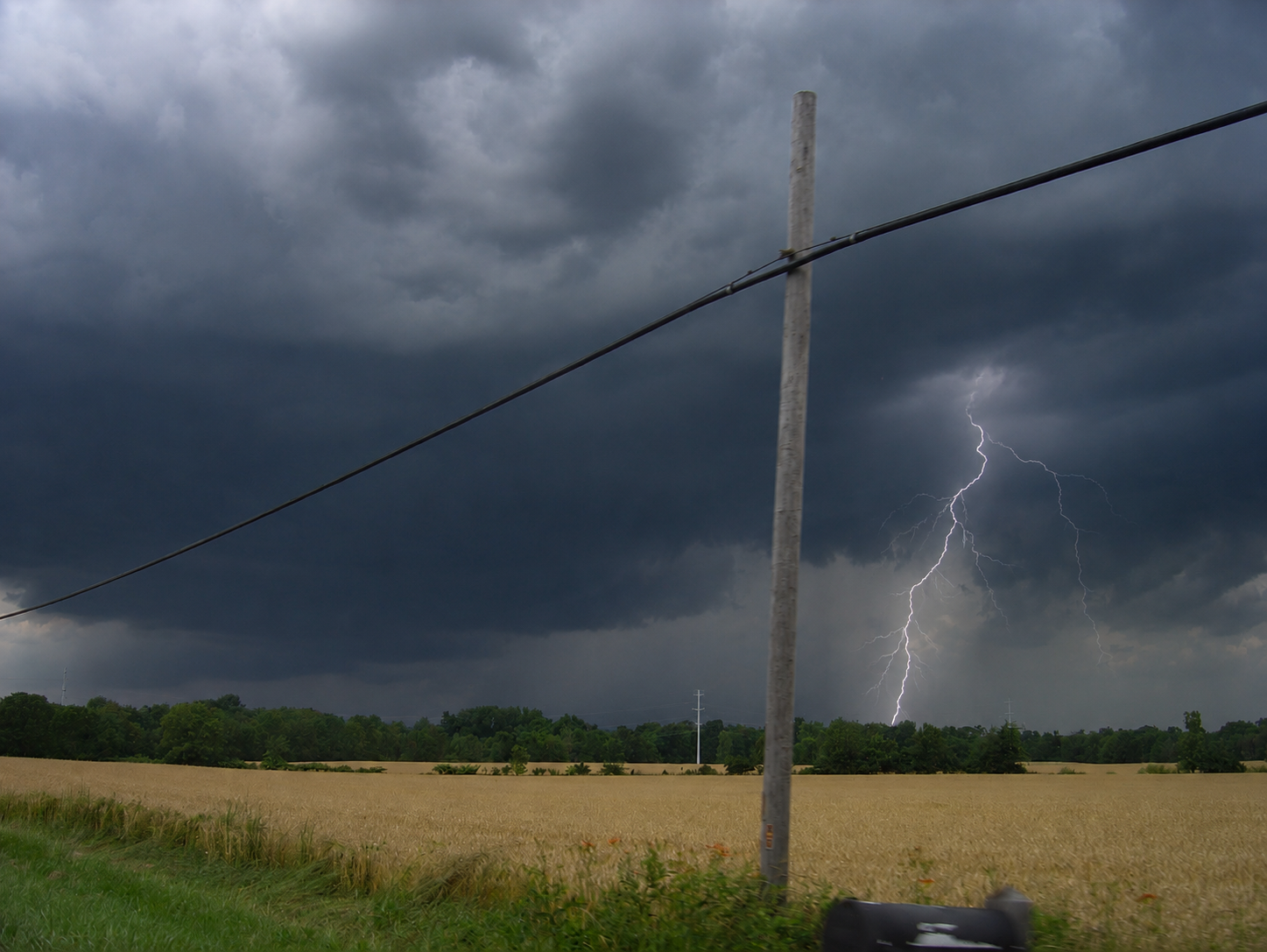
A storm rolls through the Miami Valley and leaves your home or building with visible damage. The instinct is to call your insurance company immediately. That’s the right general direction — but what you do in the window between the storm and that call significantly affects how well-supported your claim is and how smoothly the process moves.
After more than a decade of responding to storm damage throughout the Dayton area, we’ve seen claims handled well and claims handled poorly. The difference is almost always in those first few hours. Here’s the sequence that protects both your property and your claim.
Step 1: Safety Before Anything Else
Before you walk the property, assess it from a distance first.
Downed power lines are the most serious immediate hazard after a storm. If a line is on or near your property — or near standing water on your property — treat it as live and stay well clear. Call the utility company and do not approach until they confirm it’s de-energized.
Smell for gas before re-entering. A storm that shifts a structure even slightly can stress gas line connections. If you detect any gas odor, leave the building immediately, don’t activate any switches or electronics, and call the gas company from a distance.
Check for structural instability before going inside. A tree impact, a partial roof collapse, or significant wall damage can compromise a structure in ways that aren’t obvious from the doorway. If there’s any question about whether it’s safe to enter, wait for a professional assessment.
Only once you’ve confirmed it’s safe to be on the property does the next step begin.
Step 2: Document Everything Before You Touch Anything
This is the step that has the biggest impact on your claim — and it’s the one most people skip in the rush to start cleaning up.
Insurance adjusters need to see the damage as it existed at the time of the event. Every item you move, every surface you wipe, every piece of debris you clear before documenting reduces the support for your claim. Even well-intentioned cleanup, done before documentation, can create ambiguity about the original scope of damage.
How to document thoroughly:
Start with wide shots — stand in each doorway and photograph the full room. Then move to close-up detail shots of every specific item of damage: roof breach, broken glass, water intrusion points, soaked materials, structural impacts. Do this for every affected area inside and outside the building.
Video walkthrough is valuable in addition to photos. Walk slowly through every affected space, narrating what you’re seeing. A two-minute video of each room provides context that still photos alone can’t capture.
Don’t overlook secondary areas. Water that entered through a roof breach on the second floor will have traveled down by the time you find it. Check ceilings below the entry point, wall cavities where moisture may have run, and crawl spaces or basements where water collects.
Document your contents as well. Damaged personal property, furniture, appliances, and equipment should be photographed in place before anything is moved. A written inventory with approximate ages and values, supported by photos, gives your adjuster a baseline.
Step 3: Stop the Damage From Getting Worse
Most insurance policies require policyholders to take reasonable steps to prevent further damage after a covered event. This is both a policy obligation and a practical one — the longer an opening in your roof sits unprotected, or the longer standing water sits in a basement, the more secondary damage accumulates.
Emergency mitigation after storm damage typically includes:
Tarping. A properly installed heavy-duty tarp over a roof breach prevents additional water intrusion while permanent repairs are arranged. Material weight, overlap, and fastening method determine whether the tarp holds through the next weather event. For steep roofs or significant damage, professional installation is the safer call.
Board-up. Broken windows, damaged doors, and any other breaches in the building envelope should be secured to prevent weather exposure and unauthorized entry.
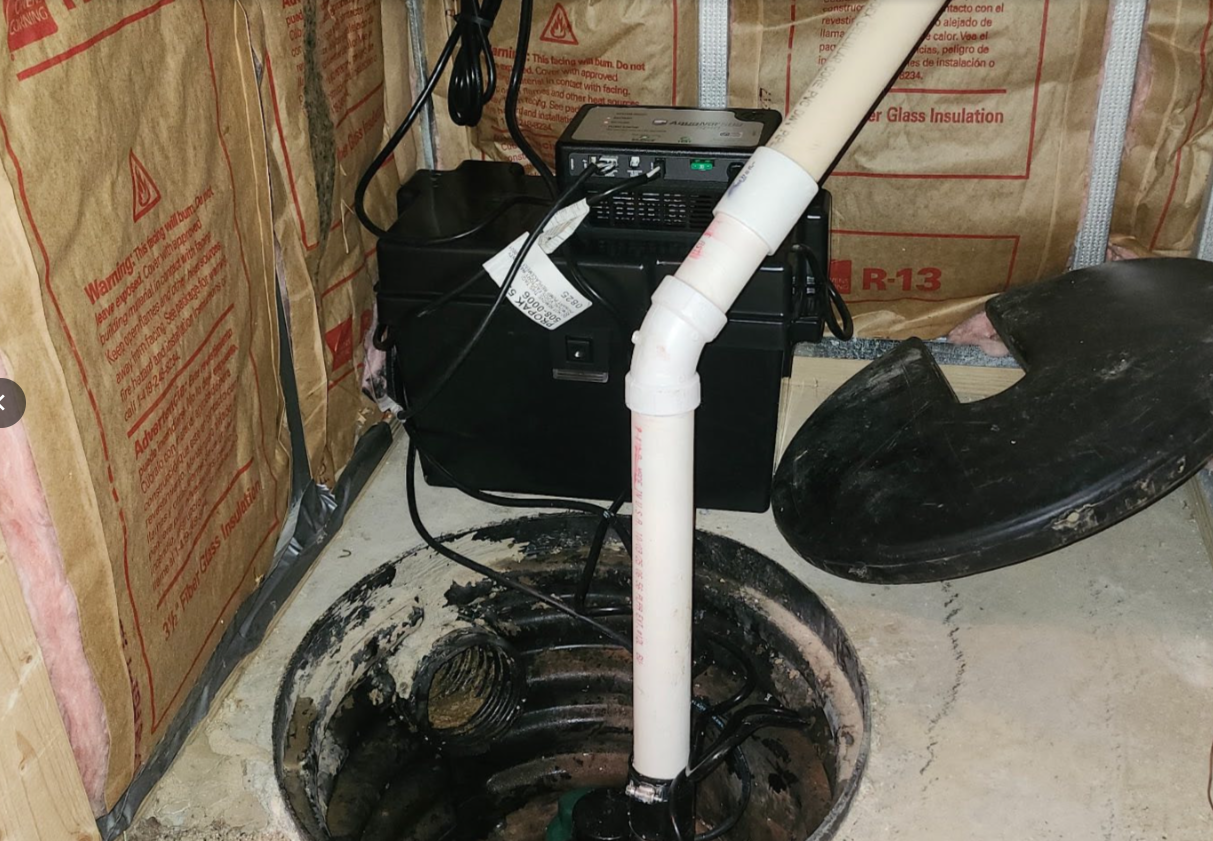
Water extraction. If water has entered the building, extraction and structural drying need to begin as quickly as possible. The mold clock starts within 24 hours of water intrusion — under that threshold, professional drying can prevent mold growth entirely. After 48 to 72 hours, active mold colonies are typically present and require remediation in addition to drying. Time is a direct cost driver here.
These mitigation steps are also what you photograph and document — they demonstrate to your insurer that you acted promptly and responsibly after the event.
Step 4: Know What Your Policy Covers Before the Adjuster Arrives
Standard homeowners and commercial property insurance covers sudden, accidental storm damage — wind damage, hail impact, rain intrusion through a breach created by the storm.
What it typically does not cover:
Flooding from ground-level water. Water that enters your home from outside at ground level — storm surge, overland flooding, sewer backup — is almost universally excluded from standard property policies. Flood coverage requires a separate policy, typically through the NFIP or a private carrier.
Pre-existing conditions. An adjuster who finds a claim for roof damage will look at whether the roof showed pre-existing deterioration that contributed to the failure. A roof in poor condition that failed in a moderate storm is a different conversation than a well-maintained roof damaged in a severe event.
Mold, if delayed. If water sat long enough for mold to establish before mitigation began, some carriers will treat the mold as a separate issue — and may dispute coverage if they believe prompt action could have prevented it. This is another reason the extraction timeline matters.
Reviewing your policy’s storm and water damage provisions before the adjuster’s visit means you know what to expect, what questions to ask, and where the likely points of discussion will be. If you have an agent, a quick call before the adjuster comes is worth the time.
Step 5: Call Your Insurance Company — With Documentation Ready
Once you have documented the damage and initiated emergency mitigation, contact your insurance company to open the claim.
When you call, have your policy number ready, a clear description of the event and when it occurred, and your documentation organized. Most carriers have a timeframe within which claims must be reported after a storm event — don’t delay this step beyond what’s necessary for thorough documentation.
Request a claim number and the contact information for your assigned adjuster. Ask about the inspection timeline — in the aftermath of a major storm event, adjusters are often managing high volumes of claims, and knowing when to expect the inspection helps you plan around it.
What Not to Do
A few things we see regularly that complicate claims:
Don’t discard damaged materials before the adjuster’s inspection. Pull-out flooring, wet drywall, soaked insulation — these are evidence. Photograph everything in place, and if materials do need to come out as part of mitigation, keep samples and document thoroughly before removal.
Don’t sign a contract with an unsolicited contractor. After a significant storm event in the Dayton area, contractors who don’t operate locally often appear door-to-door, offering to handle repairs quickly. High-pressure contract signings, deductible waiver offers, and upfront payment requests are red flags. Work with contractors you’ve verified or been referred to — and when in doubt, check with the Better Business Bureau before signing anything.
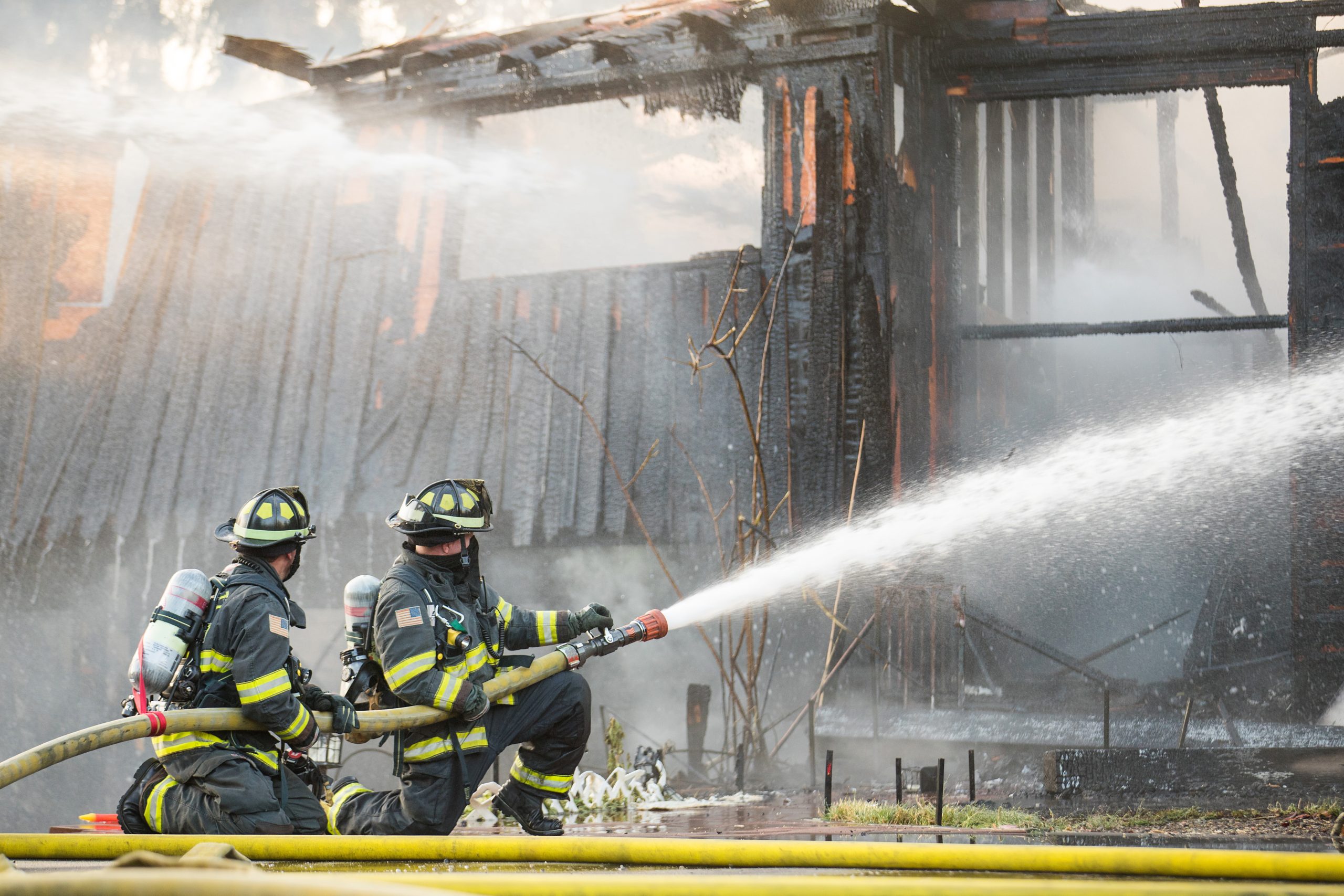
Don’t run your HVAC if there’s fire or smoke damage involved. If the storm event included any fire component, running the air handler distributes soot and smoke particulates through every connected space. Leave it off until the scope is assessed.
Having a Restoration Company in Your Phone Changes the First Hour
The difference between a storm event that gets managed well and one that becomes expensive is often measured in how quickly the right calls get made.
Ram Restoration responds 24/7 throughout the Dayton and Miami Valley area. When you call us after a storm event, we assess the damage, handle emergency mitigation — tarping, board-up, water extraction — and work directly with your insurance carrier through the claims process. You don’t need to coordinate multiple contractors or navigate the insurance conversation alone.
If you’re dealing with storm damage right now, or you want to have a restoration contact in your phone before you need one, we’re here.
Call 937-885-0088 — 24/7 storm damage response in Dayton, Ohio