The first truly cold morning of the year in the Miami Valley usually goes the same way. Someone nudges the thermostat up, the furnace kicks on for the first time in months, and a space heater comes up from the basement to take the chill off a home office or a drafty bedroom. It’s one of the more comforting rituals of the season. It’s also the start of the time of year when home heating fires are most common, and a few minutes of checking now does more good than any amount of worrying later.
Is heating really a leading cause of home fires?
Yes. According to the U.S. Fire Administration (USFA), heating is the second leading cause of residential building fires, behind only cooking. In its most recent national report on the topic, covering 2017 through 2019, the USFA estimated an average of 34,200 heating fires in residential buildings each year, causing about 165 deaths, 600 injuries and $367 million in property loss annually.
The timing matters too. Those fires aren’t spread evenly across the calendar. The same USFA report found heating fire incidence peaks in January, at 20% of the year’s total, and drops to its lowest point in June, July and August. In other words, the stretch Dayton is heading into right now is exactly when the risk climbs.
Where do most heating fires actually start?
Most of them start right where the heat is produced, and most stay there. The USFA found that 77% of residential building heating fires were confined fires, meaning the fire stayed contained to a chimney, flue or fuel burner rather than spreading into the rest of the house. That’s the good news. The less reassuring part is the remaining share: fires that do spread beyond the heating equipment, and those are often tied to a simple, preventable mistake. Among those nonconfined heating fires, the USFA reports that the heat source was too close to combustibles in 27% of cases.
Are space heaters really riskier than a furnace?
Portable heaters are a small share of heating fires, but they are involved in a disproportionate share of the serious ones. The USFA’s report on portable heater fires found that portable heaters accounted for only 3% of residential heating fires, yet were involved in 41% of fatal heating fires. The most common factor in those fires was placing the heater too close to something that can burn, at 48%.
That doesn’t mean a space heater is a bad idea. It means the placement and habits around it are what make the difference. The USFA’s guidance is straightforward: keep anything that can burn at least 3 feet from any heat source, including space heaters, fireplaces, wood stoves and radiators, and turn space heaters off when you leave the room or go to bed.
What should a homeowner check before turning up the heat?
A short walk through the house covers most of it:
- Clear a 3-foot zone around the furnace, water heater and any space heaters. Basements and utility rooms tend to collect boxes, laundry and holiday storage over the summer, and that’s exactly the kind of clutter that ends up too close to a burner.
- Plug space heaters directly into a wall outlet and set them on a hard, level floor, not on a rug or furniture.
- Change the furnace filter and listen to the first few heating cycles. Unusual banging, a burning smell that doesn’t fade after the first run of the season, or a burner that won’t stay lit are reasons to call an HVAC professional.
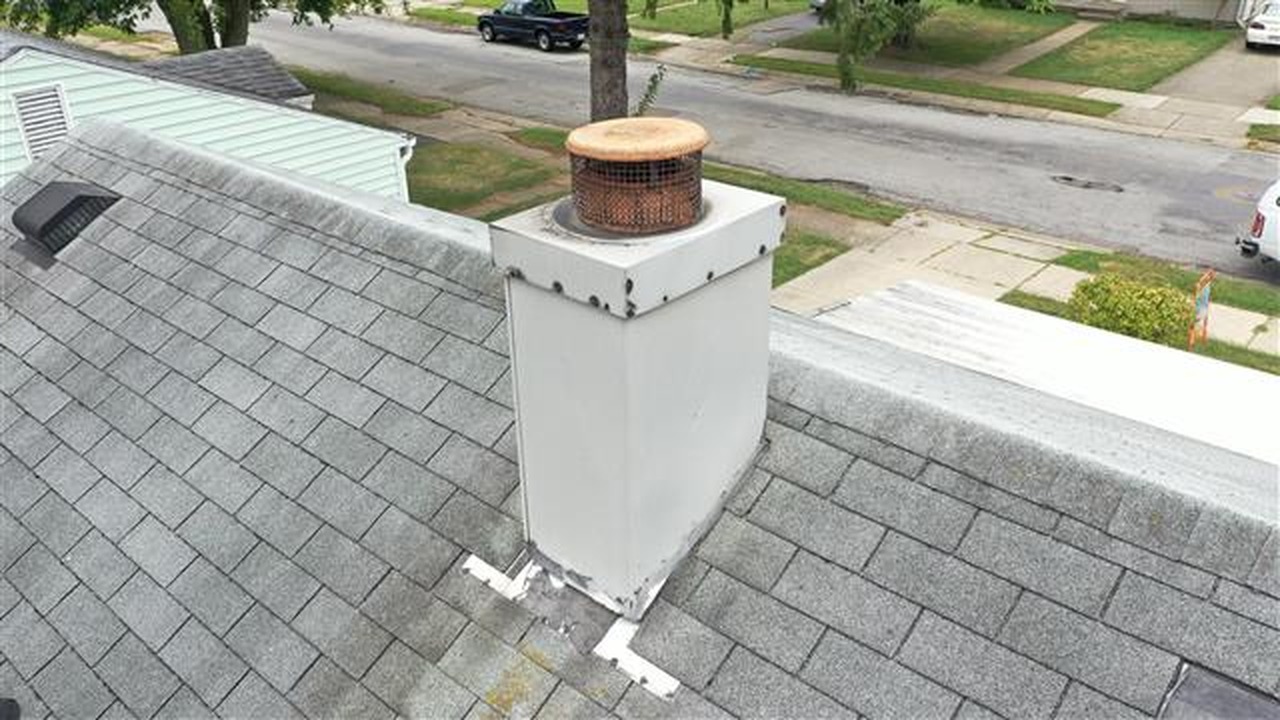
- Have heating equipment and chimneys cleaned and inspected each year by a professional, as the USFA recommends.
- Test smoke alarms on every level of the home, and replace batteries if they’re due.
- Never use an oven to heat the home.
What does fire damage actually involve if something does go wrong?
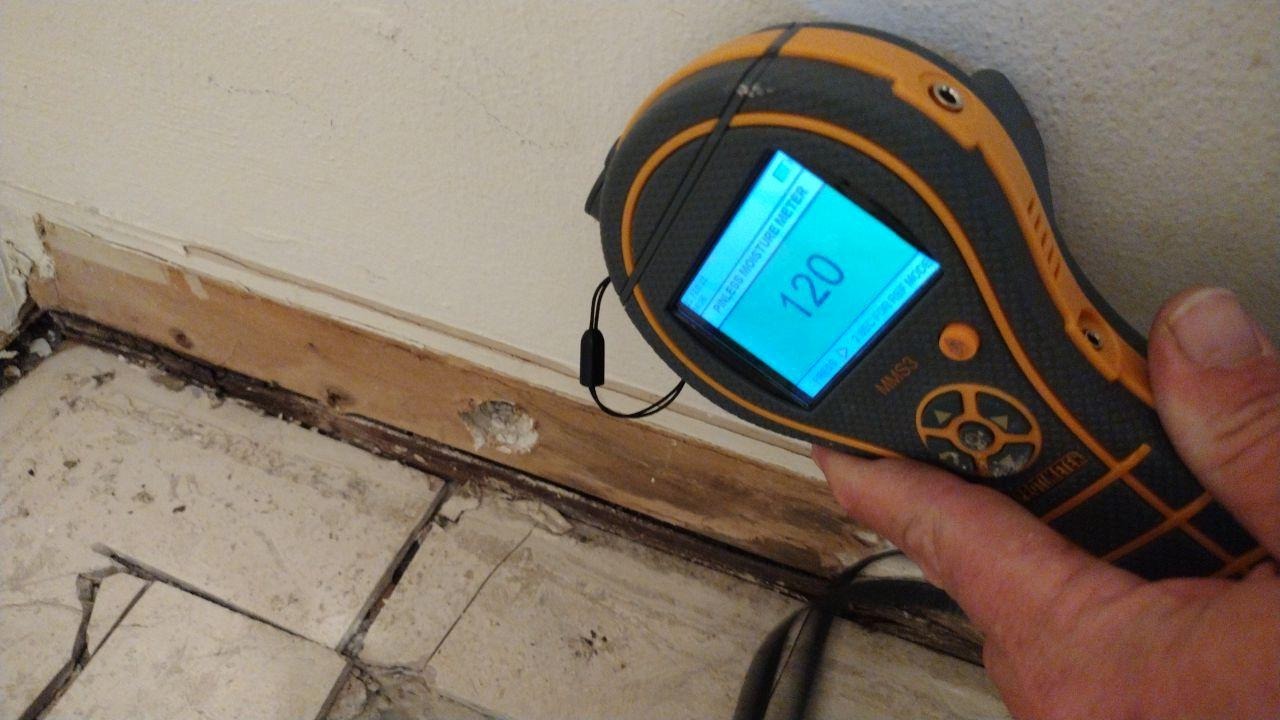
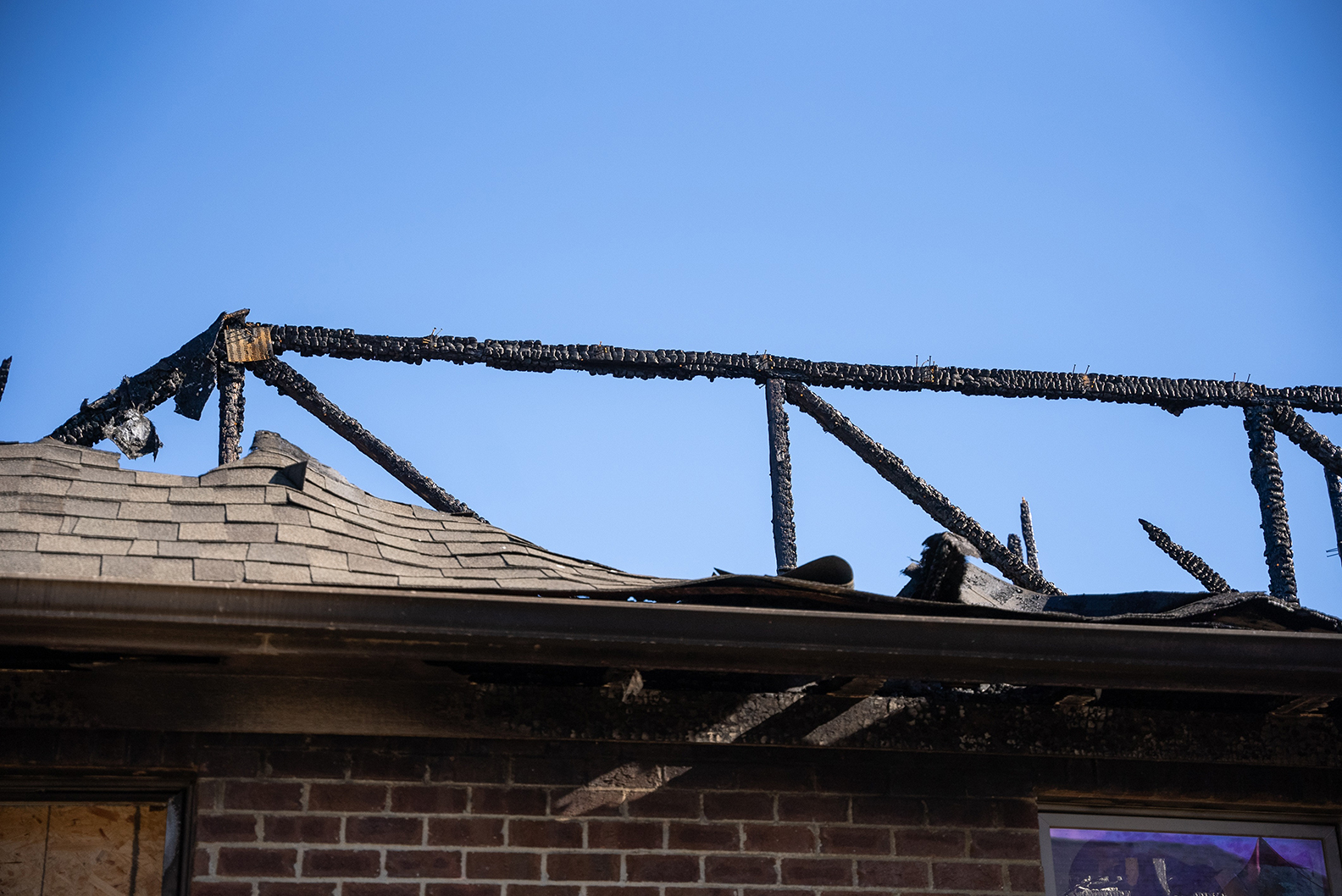
Even a small, contained heating fire usually leaves more behind than people expect. Smoke and soot travel through a home on air currents and through the HVAC system, settling on walls, ceilings, fabrics and inside cabinets far from where the fire started. If firefighters used water to put the fire out, that water is now in the flooring, drywall and framing too, and it needs to be dried just as carefully as any other water loss.
Restoration after a heating fire typically means securing the property, removing materials that can’t be saved, cleaning smoke and soot residue from surfaces and contents, treating lingering odor and drying anything that got wet. It’s a process, not a single cleanup day, and starting it quickly limits how far the damage spreads. (Our earlier posts on why smoke smell lingers after a fire and how fire damage differs from smoke damage cover that part of the process in more detail.)
Does this matter more in older Dayton-area homes?
It can. Much of the Miami Valley’s housing stock includes older homes with original chimneys, basements that double as storage and heating systems that have been patched and upgraded over decades. None of that is a problem on its own. It just means the annual check matters more, because older systems and the clutter that builds up around them are where the “too close to combustibles” problem tends to show up.
The bottom line
Heating season doesn’t have to be fire season. Most heating fires stay small, and the ones that don’t usually come back to a handful of preventable habits: space, maintenance and attention. A clear 3-foot zone, a fresh filter, an annual inspection and working smoke alarms cover most of the risk before the coldest months arrive.
By the numbers:
- Heating is the second leading cause of residential building fires in the U.S., behind cooking, with an estimated 34,200 heating fires a year (2017-2019), per the U.S. Fire Administration.
- Heating fires peak in January, at 20% of the annual total, per the USFA.
- Portable heaters account for 3% of residential heating fires but are involved in 41% of fatal heating fires, per the USFA.
- In 48% of portable heater fires, the heat source was placed too close to something that can burn, per the USFA.
Sources: U.S. Fire Administration, “Heating Fires in Residential Buildings (2017-2019),” Topical Fire Report Series Vol. 21, Issue 10; U.S. Fire Administration, “Portable Heater Fires in Residential Buildings (2017-2019),” Vol. 21, Issue 11; U.S. Fire Administration, “Heating Your Home Safely”
If a fire does happen, Ram Restoration is available 24/7 for fire, smoke and water damage across the Dayton and Miami Valley region: 937-885-0088 or www.ramrestorationusa.com