There’s a particular kind of evening in early November in the Miami Valley when the air turns crisp, the sun’s down by dinnertime and someone in the house says it: “Let’s light a fire.” It’s one of the best parts of the season. Before that first match, though, it’s worth knowing what’s been happening inside the chimney since the last fire in the spring, and what to watch for once the fireplace is back in regular use.
What builds up inside a chimney?
The main concern is creosote. As the Chimney Safety Institute of America (CSIA) explains it, smoke and other byproducts of burning wood flow up into the relatively cooler chimney, where condensation occurs. The residue that sticks to the inner walls is creosote: black or brown in appearance and highly combustible.
Creosote doesn’t build up at the same rate in every home. According to the CSIA, restricted air supply, unseasoned wood and cooler-than-normal chimney temperatures all speed it up. Closing a damper too early or overloading the firebox to stretch out a burn can contribute too. Over a full season of fires, those habits add up.
Are chimney fires common?
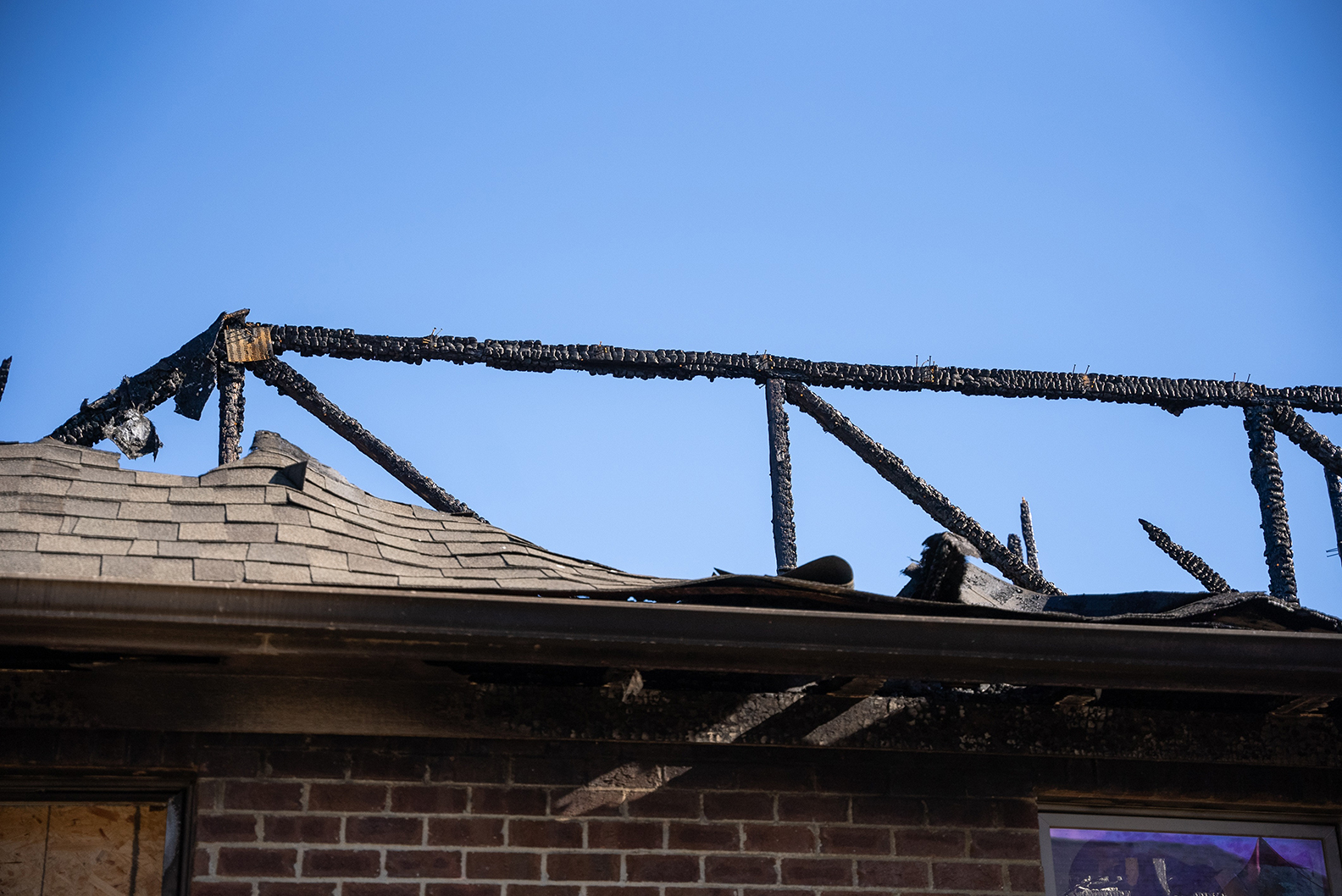
Many are never noticed at all, which is part of the reason annual inspections matter. The CSIA notes that “the majority of chimney fires go undetected.” National fire data shows the same pattern from a different angle: according to the U.S. Fire Administration, 77% of residential heating fires are confined fires, meaning they stay contained to a chimney, flue or fuel burner. Contained is good, but a contained chimney fire can still crack flue tiles, damage the liner and leave the chimney less able to handle the next fire safely.
What are the warning signs of a chimney problem?
Some are obvious in the moment. During an active chimney fire, the CSIA describes loud cracking and popping, dense smoke and an intense, hot smell. Others are quieter and show up after the fact. According to the CSIA, signs that a chimney may have had a fire include:
- “Puffy” or honeycombed creosote inside the flue
- Warped metal on the damper or smoke chamber connector
- Cracked or collapsed flue tiles
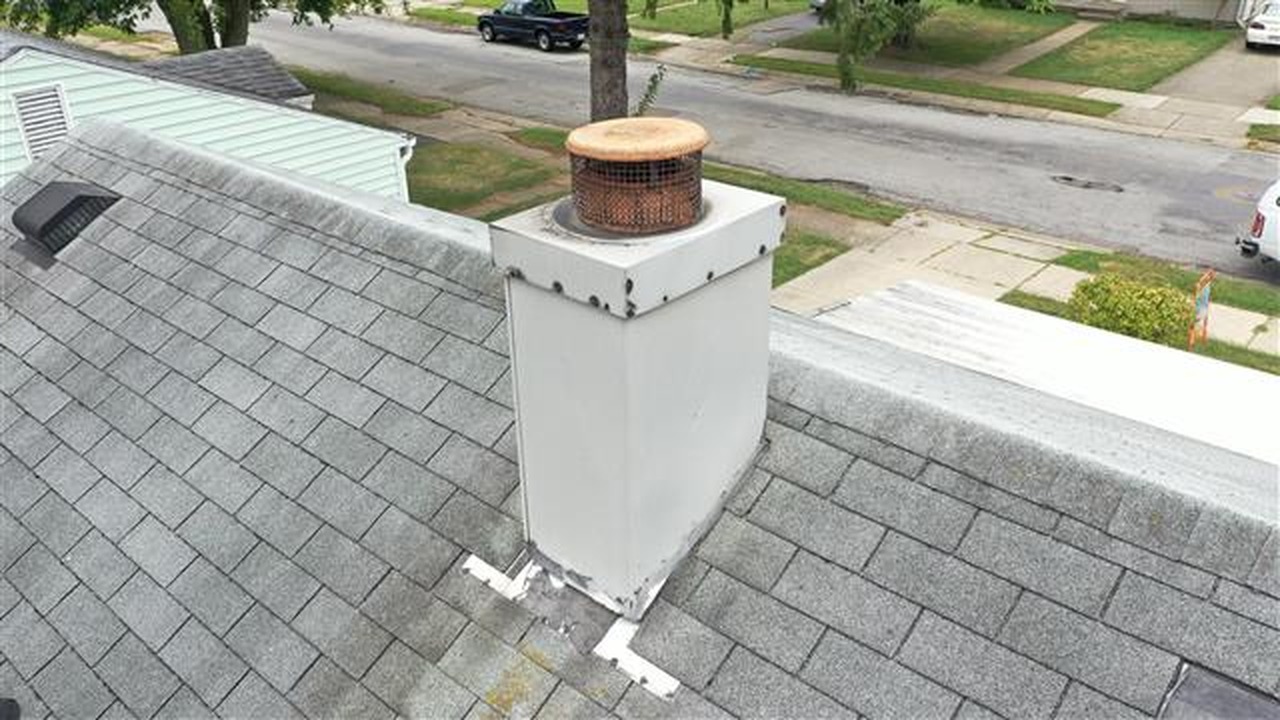
- Creosote flakes on the roof or the ground below the chimney
- Roofing material damaged by hot creosote
- Cracks in the exterior masonry
If the smoke from the fireplace doesn’t draw up the chimney the way it used to, or a smoky smell lingers in the room long after the fire’s out, that’s worth a professional look too.
How often should a chimney be inspected?
Every year. The U.S. Fire Administration recommends having heating equipment and chimneys cleaned and inspected each year by a professional, and the CSIA recommends an annual inspection of any solid-fuel venting system by a certified chimney sweep. Early November, before the fireplace becomes a nightly habit, is a good time to schedule one.
What can homeowners do between inspections?
A few habits make a real difference:
- Burn seasoned, dry wood. Unseasoned wood produces cooler smoke, which the CSIA notes encourages creosote buildup.
- Don’t overload the firebox to make a fire last longer.
- Keep a glass or metal screen in front of the fireplace to keep sparks and embers in, as the USFA recommends.
- Keep anything that can burn at least 3 feet from the fireplace, including stockings, decorations, furniture and that stack of kindling.
- Put ashes in a metal container with a lid and place it outside at least 10 feet from the home, per USFA guidance. Ashes can hold heat for days.
Why does smoke damage spread so much further than the fireplace?
Because smoke moves with the air. Even when a fire stays in the firebox or the flue, a backdraft, a blocked chimney or a cracked liner can push smoke into the living space. Once it’s there, it travels through open rooms, up stairways and into the HVAC system, leaving a film of soot on walls, ceilings, window treatments and upholstery, sometimes rooms away from the fireplace.
That residue is more than cosmetic. It carries the odor most people associate with a fire, and it can be difficult to remove with ordinary household cleaning, especially from porous materials like fabric and drywall. Professional smoke damage cleanup focuses on removing residue from surfaces and contents, cleaning or treating the HVAC system, and neutralizing odor at its source rather than covering it up. (Our earlier posts on fire versus smoke damage and on why smoke smell lingers after a fire go deeper on how that works.)
Does this matter more for older Miami Valley homes?
Often, yes. Many homes in Dayton and the surrounding communities have original masonry chimneys that have gone decades between repairs. Masonry and mortar don’t last forever, and the freeze-thaw cycles of an Ohio winter work on any small crack in a chimney crown or exterior brick. An annual inspection catches that kind of wear while it’s still a minor repair.
The bottom line
A fire in the fireplace is one of the best parts of the season, and keeping it that way mostly comes down to the chimney behind it. Get it inspected and cleaned each year, burn dry wood, keep a screen in place and handle ashes carefully. If smoke ever ends up where it shouldn’t, deal with it quickly, before the residue and odor settle in.
By the numbers:
- 77% of residential heating fires are confined to a chimney, flue or fuel burner, per the U.S. Fire Administration (2017-2019 data).
- The majority of chimney fires go undetected, per the Chimney Safety Institute of America.
- Keep anything that can burn at least 3 feet from a fireplace, and dispose of ashes in a lidded metal container at least 10 feet from the home, per the USFA.
- Chimneys should be cleaned and inspected once a year by a professional, per the USFA and CSIA.
Sources: Chimney Safety Institute of America, “Preventing Chimney Fires”; U.S. Fire Administration, “Heating Fires in Residential Buildings (2017-2019)”; U.S. Fire Administration, “Fireplace and Wood Stove Safety” and “Heating Your Home Safely”
If smoke or fire damage ever does happen, Ram Restoration is available 24/7 across the Dayton and Miami Valley region: 937-885-0088 or www.ramrestorationusa.com