Most of us don’t think about the water heater until the morning the shower runs cold. It sits in a basement corner or utility closet, doing its job quietly for years. Winter is when it works hardest, though, and it’s also when many homeowners first notice the signs that a unit is near the end of its life. A little attention now can mean a planned replacement on your schedule instead of a surprise on the coldest morning of January.
How hard does a water heater work in winter?
Harder than most people realize. According to the U.S. Department of Energy’s Energy Saver Guide, water heating accounts for about 18% of a home’s energy use, making it typically the second-largest energy expense in the home.
In winter, the water coming into the house from the supply line is colder, so the heater has to raise it more degrees to reach the same temperature at the tap. Add longer, hotter showers, holiday guests and more laundry, and the unit runs more often and for longer stretches. A water heater that was already struggling in October can reach its limit by midwinter.
How long is a water heater supposed to last?
The DOE says conventional storage water heaters typically last 10 to 15 years, while tankless models can last more than 20 years.
If you don’t know how old yours is, look at the label on the side of the tank. The manufacture date is usually printed there or encoded in the serial number, and the manufacturer’s website can help you decode it. A tank that’s at or past the 10-year mark isn’t necessarily about to fail, but it’s worth watching more closely and budgeting for a replacement.
What causes a tank to wear out?
Sediment is a big part of it. Minerals in the water settle at the bottom of the tank over time. That layer makes the burner or element work harder to heat the water above it and can contribute to wear on the tank itself. The DOE recommends draining about a quart of water from the tank every three months to remove sediment that impedes heat transfer and lowers efficiency.
Corrosion is the other factor. Tank water heaters have an internal anode rod designed to corrode in place of the tank lining. Once that rod is used up, the tank itself becomes more vulnerable. Checking and replacing the anode rod is a job many homeowners leave to a plumber.
What are the warning signs a water heater is failing?
None of these mean a failure is imminent, but each one is worth a closer look:
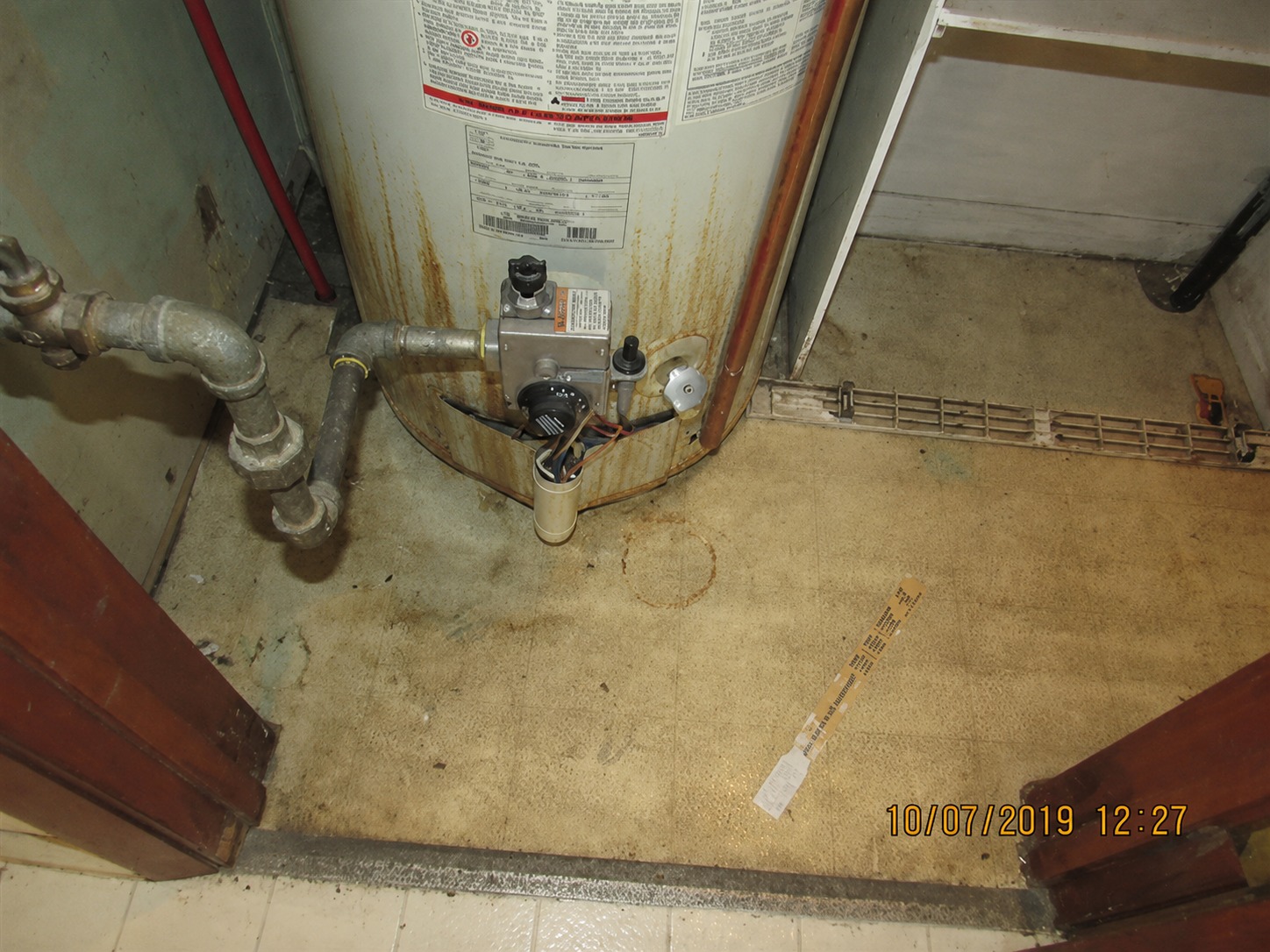
- Water around the base of the tank. Even a small puddle or a damp spot is worth tracking down. It may be a loose fitting or a relief valve doing its job, or it may be the tank itself.
- Rust-colored hot water. If the discoloration shows up only on the hot side, it may point to corrosion inside the tank.
- Rust or corrosion on the tank or fittings. Look at the base, the inlet and outlet connections and the relief valve.
- Popping, rumbling or crackling sounds. These are often caused by sediment at the bottom of the tank as water trapped beneath it heats up.
- Hot water that runs out faster than it used to, or temperatures that swing up and down.
- Age. A unit in the 10-to-15-year range deserves a closer look even if it seems fine.
What can a homeowner do to keep it running through winter?
A few simple habits go a long way:
- Check the temperature setting. The DOE suggests setting the water heater to 120 degrees Fahrenheit for most households as a starting point, which also helps on energy costs.
- Drain a little sediment. Following the DOE’s every-three-months guideline, and the manufacturer’s instructions for your model, helps the unit heat efficiently.
- Insulate exposed hot water pipes. Pipe insulation reduces heat loss between the tank and the tap and helps protect lines that run through cold basements and crawl spaces.
- Keep the area clear. Don’t store boxes, laundry or cleaning products against the unit, and keep the area around a gas water heater free of anything flammable.
- Know where the shutoff is. Find the cold water supply valve on top of the tank and the home’s main water shutoff before you need them.
- Test the temperature-and-pressure relief valve as the manufacturer recommends, or have a plumber do it during routine service.
If anything on the warning-sign list shows up, the right call is a licensed plumber who can tell you whether the unit needs a repair or a replacement.
What happens if a water heater leaks or bursts?
A slow leak at the base of a tank can go unnoticed for weeks, especially in an unfinished basement or a closet nobody opens. Over time, that moisture can soak into subfloors, drywall, carpet pads and stored belongings. A sudden tank failure is a different situation: water keeps flowing from the supply line until someone shuts it off.
The first steps are the same either way:
- Shut off the cold water supply to the tank, or the main water shutoff to the house.
- Turn off power to an electric unit at the breaker, or set a gas unit’s control to “off” or “pilot.”
- Move belongings out of the wet area and take photos for your records.
- Call a plumber for the unit itself and a restoration company for the water.
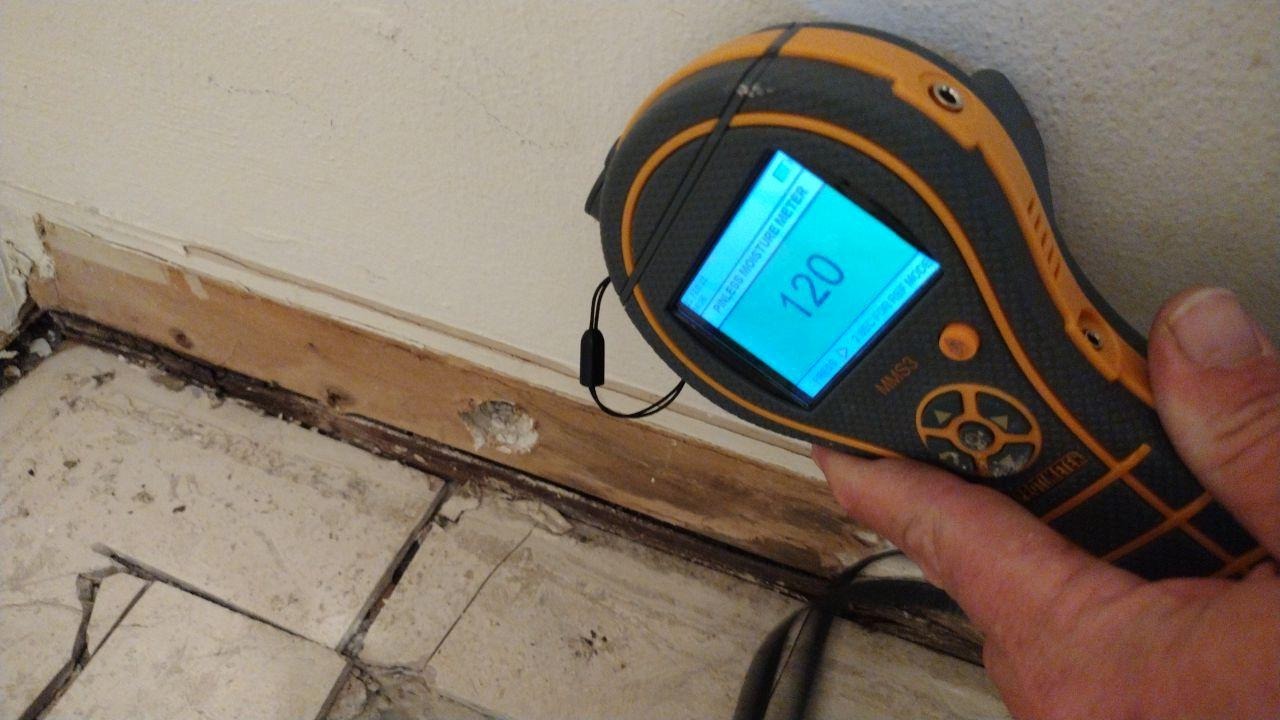
Drying is where timing matters. Water moves into materials you can’t see, like wall cavities and under flooring, and professional drying uses moisture meters and commercial equipment to find and remove it. If you have questions about possible mold growth afterward, Ram Mold Pro handles mold inspection and remediation.
Older Dayton-area homes
Many homes across the Miami Valley have water heaters tucked into basements, crawl spaces or closets that don’t get much foot traffic, which makes a slow leak easy to miss. A quick look at the base of the tank once a month, especially during the heating season, is one of the easiest habits a homeowner can build.
The bottom line
Winter asks more of a water heater than any other season. Knowing the age of your unit, draining some sediment, setting the temperature to 120 degrees and watching for water at the base all help you plan ahead instead of reacting.
By the numbers:
- About 18% of a home’s energy use goes to water heating, typically the second-largest energy expense, according to the U.S. Department of Energy.
- Conventional storage water heaters typically last 10 to 15 years; tankless models can last more than 20 years (DOE).
- The DOE recommends a 120-degree setting for most households and draining a quart of water from the tank every three months.
Sources: U.S. Department of Energy, “Energy Saver Guide: Tips on Saving Money and Energy at Home” (2022)
If a water heater leak does happen, Ram Restoration is available 24/7 for water damage across the Dayton and Miami Valley region: 937-885-0088 or www.ramrestorationusa.com
Related reading
- Is Heating Season Really Fire Season? What to Check Before You Turn Up the Heat
- Does Homeowners Insurance Cover Frozen and Burst Pipes?
- The 3 Common Causes of Water Damage in Dayton to Homes & Buildings
- Residential restoration services