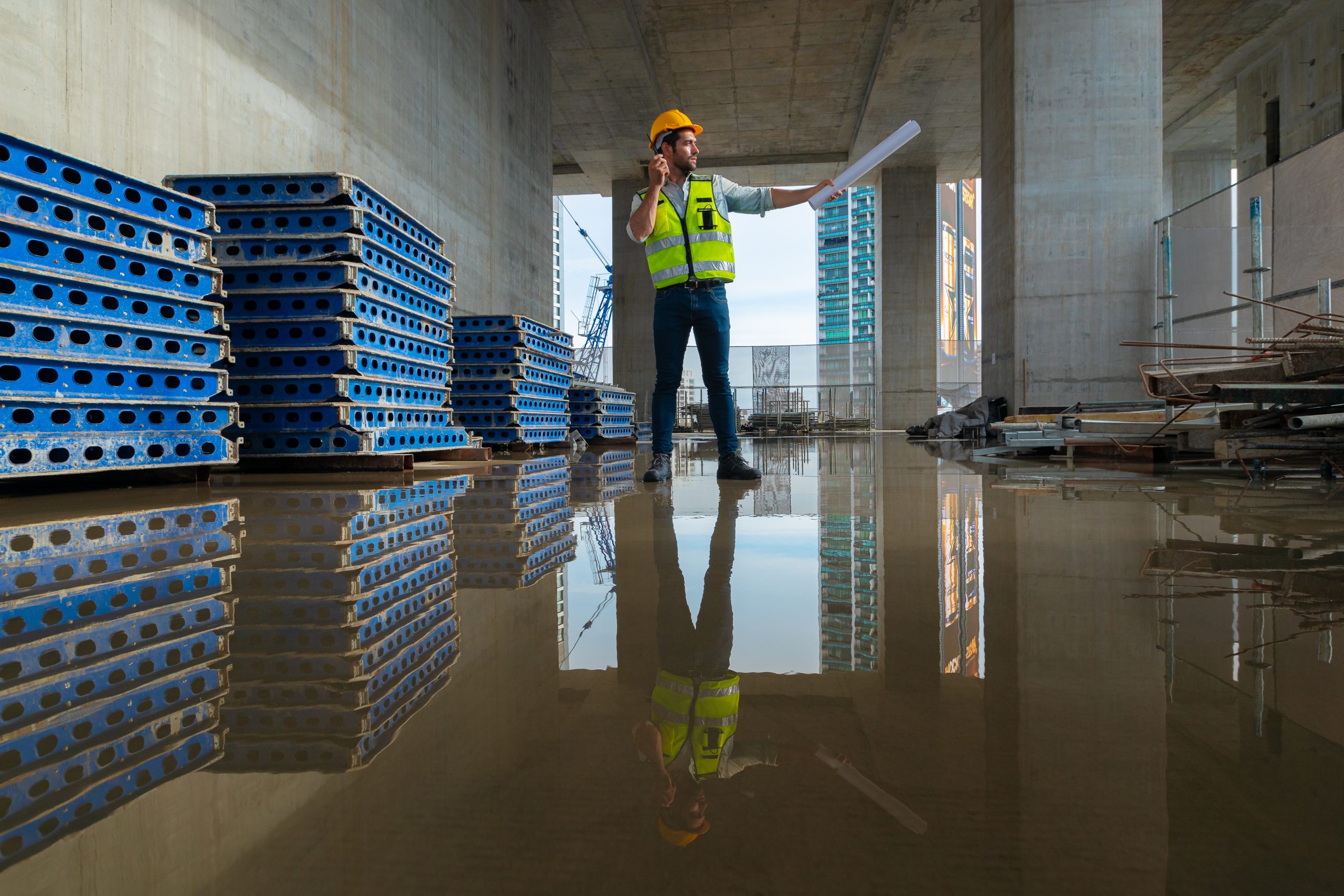
A burst pipe in a commercial building hits differently than one in a home. At home, you’re dealing with damaged belongings and disrupted routines. In a commercial space, you’re also dealing with business interruption, liability, employee safety, and in many cases, a landlord or building owner who needs to be in the loop. The pressure to get things back to normal is immediate — and that urgency, if it leads to cutting corners on the restoration process, can create a much larger problem six months down the road.
Here’s a straightforward look at how commercial water damage restoration actually works, what the timeline looks like, and what you should expect from a professional crew.
Why Commercial Water Damage Is a Different Problem
The scale is the obvious difference — commercial buildings have more square footage, more complex plumbing systems, and often more sensitive contents. But the more important difference is what’s at stake when the process is rushed.
In a residence, incomplete drying might mean mold develops inside a wall cavity and goes undetected for months until someone smells something. In a commercial space, that same outcome can mean an air quality issue affecting employees, a failed inspection, or a premises liability situation. The consequences of a restoration job that looked finished but wasn’t are compounded when other people depend on the space.
The other commercial-specific factor: documentation. Insurance claims for commercial water damage often involve more scrutiny than residential claims. A restoration company that tracks and documents moisture readings throughout the process — not just before and after, but daily — gives you a defensible record if questions arise later.
The First 24 to 48 Hours Are What Determine the Outcome
Mold doesn’t wait. Dormant spores are present on virtually every building material, and they begin germinating within 24 to 48 hours of moisture exposure. By 48 to 72 hours, visible colonies are typically establishing and spreading spores through your HVAC system to connected areas of the building.
This is why a fast response to commercial water damage isn’t just about minimizing inconvenience — it’s about keeping a water damage event from becoming a water damage event *and* a mold problem. The two are related: thorough, properly completed water damage restoration is the best thing you can do to prevent mold from taking hold. And if mold remediation does become necessary, that’s a separate, specialized process — one handled by our sister company, Ram Mold Pro.
Ram Restoration targets a 30 to 60 minute response time for commercial calls in the Dayton area.
What the Restoration Process Actually Looks Like
**Water extraction first.** Before anything else, standing water and saturated materials need to be extracted. We don’t move to drying until extraction is complete — there’s no point running drying equipment in a space that still has active water present.
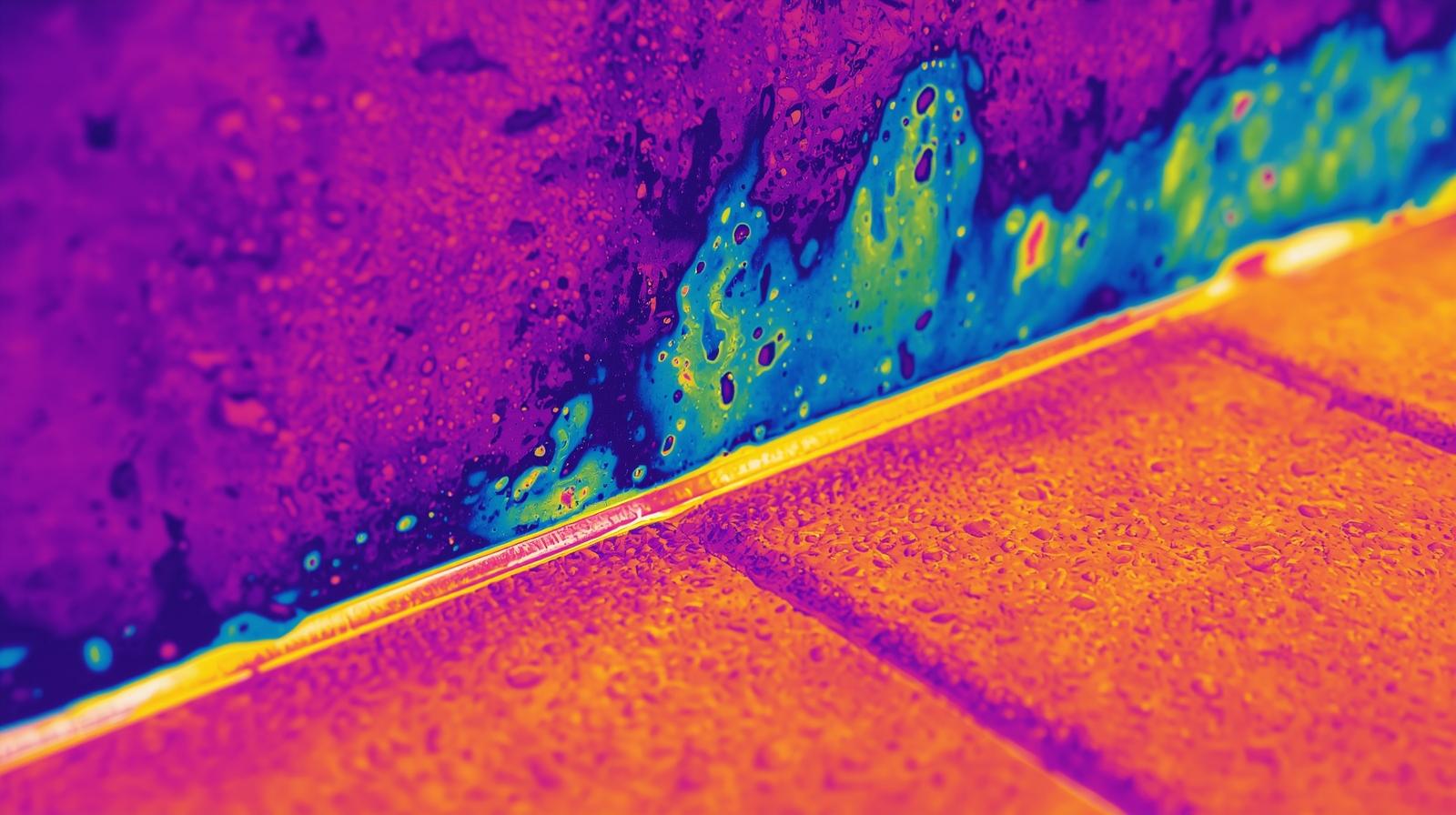
**Structural drying, monitored daily.** Once extraction is done, we set industrial air movers and commercial dehumidifiers throughout the affected area. These aren’t consumer units — commercial dehumidifiers extract 10 to 15 times more moisture per day than what you’d rent from a hardware store, and the air movers are positioned specifically to pull moisture out of structural assemblies, not just circulate room air.
We take baseline moisture readings in every affected material — drywall, subfloor, framing, concrete — and we return daily to track the numbers. Drying is complete when the readings confirm that materials have hit the thresholds defined by the IICRC S500 standard, the industry document that governs this work. “It looks dry” isn’t a standard. Documented readings are.
**Contents and document recovery.** Water doesn’t discriminate. If documents, equipment, or inventory were in the affected area, we assess what’s recoverable and handle cleaning and restoration carefully. Paper documents in particular are easy to damage further if someone inexperienced tries to dry them incorrectly — don’t attempt to fix waterlogged documents on your own before we’ve had a chance to assess them.
**Mold assessment and handoff if needed.** Thorough structural drying is the primary defense against mold — most water damage jobs that are completed correctly don’t require separate mold remediation. If we identify active mold growth during the restoration process, or if conditions suggest elevated risk, we’ll flag it directly. Mold remediation is handled by [Ram Mold Pro](https://www.rammoldpro.com), our sister company that specializes in exactly that work, so you’re not starting over with a new crew from scratch.
What You Should Ask Any Restoration Company
Not all restoration work is done the same way, and in a commercial context it’s reasonable to ask direct questions before signing anything:
– Do you document daily moisture readings, or just before and after?
– If mold is identified, do you have a remediation partner, or will I need to find one myself?
– What’s your response time for commercial calls?
– Are your technicians IICRC-certified?
– Will you provide documentation suitable for an insurance claim?
A company that has straightforward answers to these questions is a company that does the work the right way.
Serving Dayton-Area Businesses
Ram Restoration is based in Moraine and serves commercial properties throughout the Miami Valley — Dayton, Springboro, Centerville, Kettering, Beavercreek, and surrounding communities. We’re available 24/7 because water damage doesn’t follow business hours.
If you’re dealing with water damage in a commercial space right now, or if you have questions about a previous restoration job and want a second opinion on whether the work was completed properly, call us directly.
**Call 937-885-0088** — 24/7 commercial water damage response in Dayton, Ohio