Water damage is one of the most common — and most expensive — homeowner insurance claims in the country. A single leak can lead to thousands of dollars in repairs, weeks of cleanup, and irreplaceable losses like family photos, heirlooms, and important documents.
The good news? Most water damage is preventable. By taking a few simple steps, you can dramatically reduce your risk of a costly flood or hidden leak — and protect everything you’ve worked hard to build.
Here are eight easy, expert-recommended ways to prevent water damage in your home.
1. Inspect Appliance Hoses Regularly
Washing machines, dishwashers, and refrigerators are leading sources of indoor water damage, and the culprit is usually a worn, cracked, or loose hose.
To prevent leaks in your kitchen or laundry room:
- Inspect all appliance hoses at least once a year for cracks, bulges, or rust
- Replace washing machine, dishwasher, and refrigerator water hoses every 3 to 5 years
- Consider upgrading to braided stainless steel hoses for added durability
A five-minute check could save you thousands in water damage repair.
2. Install a Leak Detector or Water Flow Monitoring System
Smart home technology has made water damage prevention easier than ever. Two of the most effective tools:
Leak detectors are small sensors placed near sinks, toilets, water heaters, washing machines, and sump pumps. Many models send instant alerts to your phone, and some can automatically shut off your water supply.
Flow monitoring systems install on your main water line and track unusual water use, alerting you to potential leaks anywhere in the home.
Both options are especially valuable for vacation homes, rental properties, and anyone who travels frequently.
3. Repair Cracked or Missing Caulk
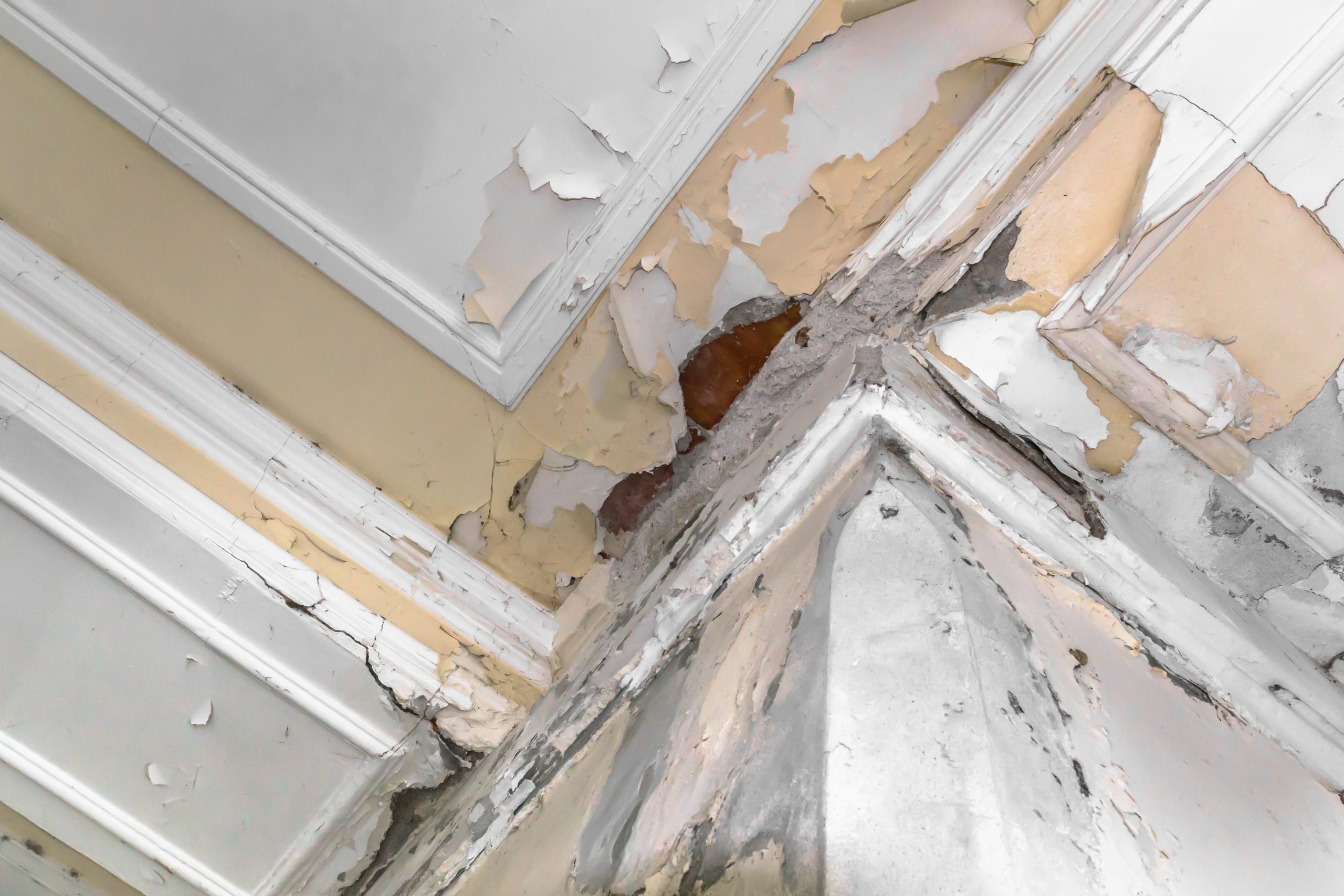
Cracked caulk around tubs, showers, sinks, windows, and doors lets water seep into places it shouldn’t — leading to rotting wood, peeling paint, bubbling drywall, and mold growth.
Wondering how to prevent water damage in the bathroom? Start here. Caulk is inexpensive, easy to apply, and one of the simplest DIY repairs any homeowner can tackle in an afternoon.
4. Clean Your Gutters at Least Twice a Year
Clogged gutters are a leading cause of water damage to roofs, siding, foundations, and basements. When water can’t flow freely, it overflows and pools against your home, eventually seeping inside.
Best practices:
- Clean gutters in the spring and fall, at minimum
- Inspect for sagging, loose brackets, or rust
- Install gutter guards to reduce buildup and minimize ladder use (gutter cleaning is a leading cause of home-related falls)
5. Repair or Replace a Damaged Roof
Your roof is your home’s first line of defense against water damage. Replacing it isn’t cheap, but the cost of ignoring roof damage is far greater.
Signs your roof needs attention:
- Curling, cracked, or missing shingles
- Moss or algae growth
- Sagging ceilings or discolored spots inside the home
- Peeling paint or visible water stains
- Mold or mildew in the attic
- A roof that’s 20 or more years old
If you spot any of these signs, schedule a professional roof inspection before the next storm hits.
6. Know Where Your Water Main Shut-Off Is Located
When a pipe bursts, every second counts. Knowing exactly where your main water shut-off valve is — and how to operate it — can be the difference between a minor inconvenience and a five-figure disaster.
Take five minutes today to:
- Locate your shut-off valve (typically in the basement, crawl space, garage, or near the water heater)
- Confirm it turns easily
- Show every adult in your household how to use it
7. Direct Water Away from Your Foundation
Water pooling around your foundation is a recipe for basement flooding, foundation cracks, and mold problems. To keep water moving away from your home:
- Make sure all downspouts extend at least 5 feet from the foundation
- Check that your yard is graded to slope away from the house
- Clear debris from downspouts and drains regularly
- Consider French drains or downspout extensions for problem areas
8. Monitor Your Water Bill
A sudden, unexplained spike in your water bill is one of the earliest warning signs of a hidden leak — often inside walls, under floors, or in your yard.
Review your monthly water usage and investigate any unusual increases right away. Catching a slow leak early can save you thousands in damage and repairs.
What to Do If You Have Water Damage
Even with the best prevention, water damage can still happen. Burst pipes, sewer backups, severe storms, and appliance failures can all cause sudden flooding — and when they do, fast action is critical.
Standing water leads to:
- Structural damage within hours
- Mold growth within 24 to 48 hours
- Permanent damage to flooring, drywall, furniture, and personal belongings
The faster water is extracted and the affected area is dried, the more you’ll save.
Emergency Water Damage Restoration in Dayton, Ohio
If you’re dealing with a water damage emergency, Ram Restoration is here to help — 24 hours a day, 7 days a week.
Our certified, IICRC-trained technicians provide fast, professional water damage restoration services throughout:
- Dayton, OH
- Centerville, OH
- Beavercreek, OH
- Springboro, OH
- And surrounding Miami Valley communities
From water extraction and structural drying to mold prevention and full restoration, we’ll get your home back to normal as quickly as possible.
Call Ram Restoration now for 24/7 emergency water damage help in the Dayton area.
Frequently Asked Questions About Water Damage
How much does water damage restoration cost? Costs vary based on the size of the affected area, the type of water involved (clean, gray, or black), and the extent of the damage. Most homeowners insurance policies cover sudden, accidental water damage. Contact Ram Restoration for a free assessment.
How long does water damage restoration take? Most residential water damage projects take 3 to 5 days for drying, with additional time needed for repairs and reconstruction. Acting quickly shortens the timeline significantly.
Does homeowners insurance cover water damage? Most policies cover sudden and accidental water damage (like a burst pipe) but not gradual leaks or flooding from natural disasters. Check with your insurance provider for specifics.
How fast can mold grow after water damage? Mold can begin growing within 24 to 48 hours of water exposure, which is why immediate professional restoration is so important.
What should I do immediately after discovering water damage? Shut off the water main, turn off electricity to affected areas, document the damage with photos, and call a professional restoration company like Ram Restoration right away.