There’s a pattern we see over and over at Ram Restoration. A homeowner notices water in the basement or a wet spot on the ceiling. They get out the fans. They mop it up. They wait to see if it dries out on its own. Sometimes they’re watching insurance deductibles and wondering if the damage is “bad enough” to make a claim worth it.
A week later, they call us. And by then, what would have been a straightforward water damage job has turned into something significantly more involved — and significantly more expensive.
This isn’t a judgment. It’s a pattern we understand. Insurance premiums have climbed steadily, deductibles have gone up, and homeowners across Dayton and the Miami Valley are making rational-feeling decisions to wait and see. The problem is that water damage doesn’t wait with you.
What Happens to a Water-Damaged Home in the First 72 Hours
Water damage has a timeline. It’s predictable, it’s documented, and it accelerates faster than most people expect. Here’s what’s actually happening inside your home while you’re deciding whether to make the call.
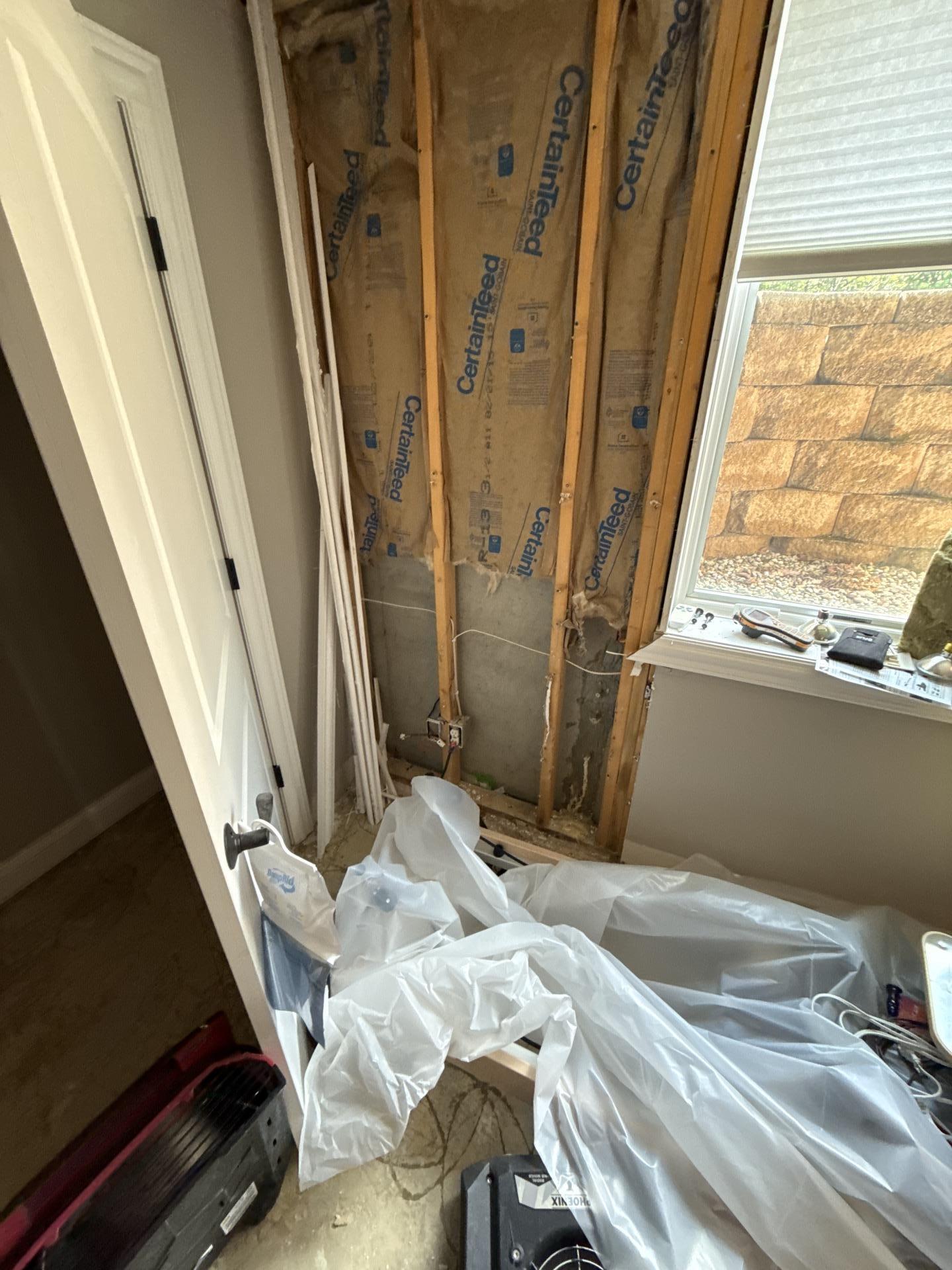
Within the first hour, water moves. It follows the path of least resistance — into subfloor materials, behind baseboards, underneath flooring, into wall cavities. Drywall starts absorbing moisture immediately. Insulation behind walls does the same.
Within 24 hours, materials that absorbed water begin to swell and warp. Wood framing soaks up moisture. Drywall begins to soften. If there’s any organic material — and in most homes, there’s plenty — mold spores that are always present in the air start finding the conditions they need to colonize. The IICRC, the standard-setting body for the restoration industry, classifies water damage that sits longer than 24 hours differently than damage that is addressed immediately. That classification affects the scope of work required.
Between 24 and 48 hours, mold can begin to grow. This is not an exaggeration — it’s the established timeline used by certified restoration professionals nationwide. Wet drywall, wet wood, and stagnant moisture in wall cavities create exactly the conditions mold needs.
By 72 hours, structural materials that have been saturated are at risk of permanent damage. Subfloor panels swell and delaminate. Wood framing can begin to deteriorate. Mold colonies that started as invisible spore growth are now establishing themselves in wall cavities that will require demolition to access.
After a week, the conversation changes entirely. What started as a water extraction and drying job may now require mold remediation, drywall removal, subfloor replacement, and framing inspection. Jobs that cost a few thousand dollars addressed immediately can require $15,000 to $30,000 in repairs when they’re discovered after extended moisture exposure.
The Insurance Math That Doesn’t Add Up
We understand why homeowners hesitate. If your deductible is $2,500 and you’re not sure the damage clears that threshold, waiting makes sense on paper. But water damage is one of the few home emergencies where delay directly creates the larger claim you were trying to avoid.
A job addressed in the first 24 hours typically involves water extraction, structural drying, and monitoring. Done right, it protects the structure and prevents secondary damage. A job discovered a week later often involves all of that plus mold remediation, material removal, and reconstruction — costs that can easily push a claim well beyond any deductible.
Calling a restoration company early doesn’t commit you to filing a claim. It gives you information. A professional assessment tells you what you’re actually dealing with, what the timeline looks like, and what your options are. That’s information worth having before you make a decision about insurance.
The Specific Risks in Dayton and the Miami Valley
Ohio’s climate creates conditions that accelerate water damage. The Miami Valley sees significant humidity, particularly in summer months, and that ambient moisture affects how quickly wet structural materials develop mold. Older housing stock across Dayton, Kettering, Centerville, and surrounding communities often has less efficient vapor barriers and older drywall formulations that absorb moisture more readily than modern materials.
Basement flooding from sump pump failure is one of the most common calls we receive — and it’s one of the scenarios where homeowners are most likely to underestimate the damage. A basement that “mostly dried out” after a sump pump failure can still have saturated wall cavities, wet framing behind finished walls, and moisture trapped under flooring that won’t be visible until mold growth makes itself known weeks later.
What a Professional Assessment Actually Involves
When Ram Restoration responds to a water damage call, the first step is moisture mapping — using professional-grade meters to identify the full extent of moisture migration in floors, walls, and ceilings. Water travels further than it looks. We routinely find moisture 10 to 15 feet from where the visible water stopped.
From there, we document the damage, assess the category and class of water involved, and develop a drying plan that meets IICRC S500 standards. Equipment is calibrated to the specific conditions of your home, and drying progress is monitored until the structure reaches documented dry standard.
This isn’t something a fan and a dehumidifier from the hardware store can replicate. The equipment we use is industrial-grade, and the drying process is managed to verified outcomes — not guesswork.
When Should You Call?
The honest answer: as soon as you discover the water.
You don’t need to know how bad it is. You don’t need to have already filed a claim or decided what you’re going to do. Call and get an assessment. The information is free, and the cost of not having it can be substantial.
Ram Restoration serves water damage calls across Dayton and the Miami Valley 24 hours a day, seven days a week. Our certified technicians respond in 30 to 60 minutes and can tell you exactly what you’re dealing with before the situation has a chance to escalate.
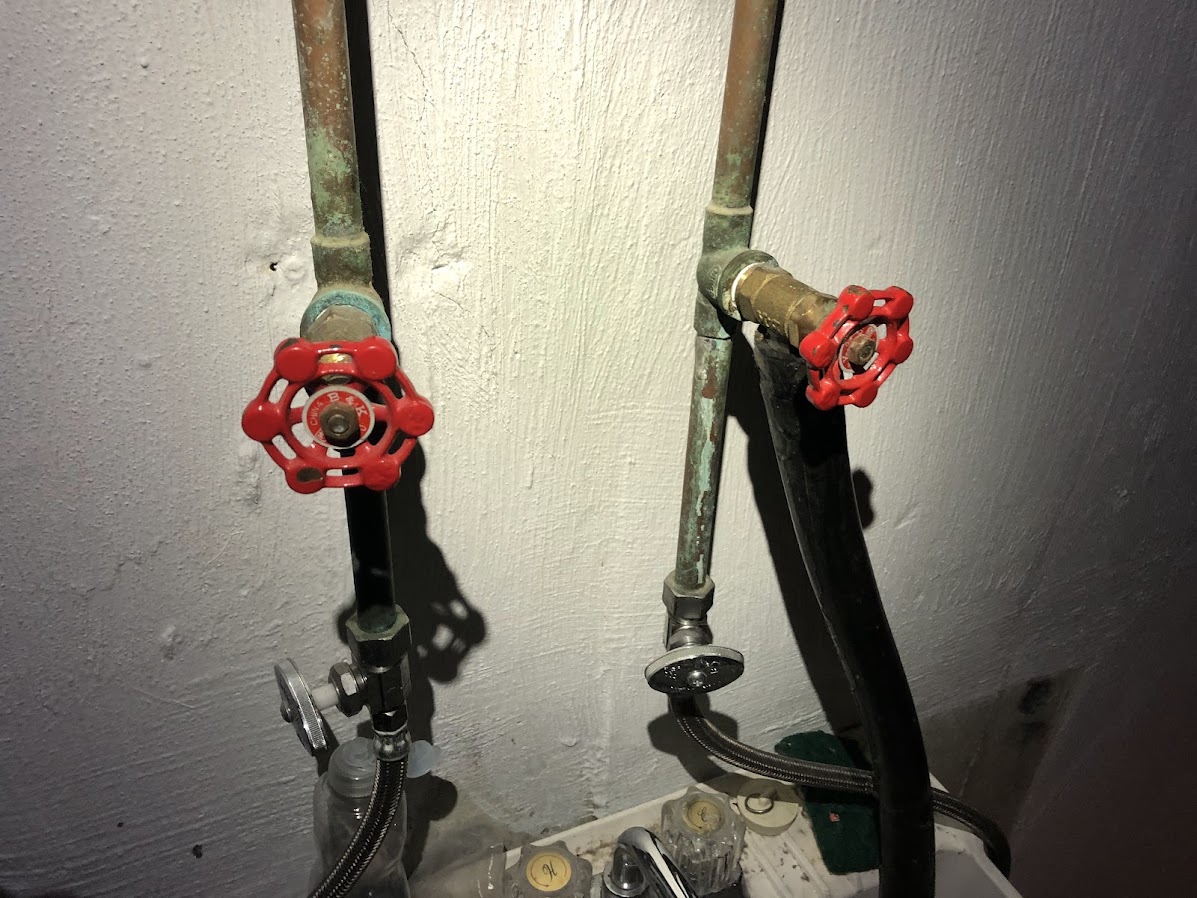
If your home has experienced water intrusion — from a burst pipe, a sump pump failure, a roof leak, or a flooded basement — don’t wait to see if it dries out. Call us first.
937-885-0088 | www.ramrestorationusa.com