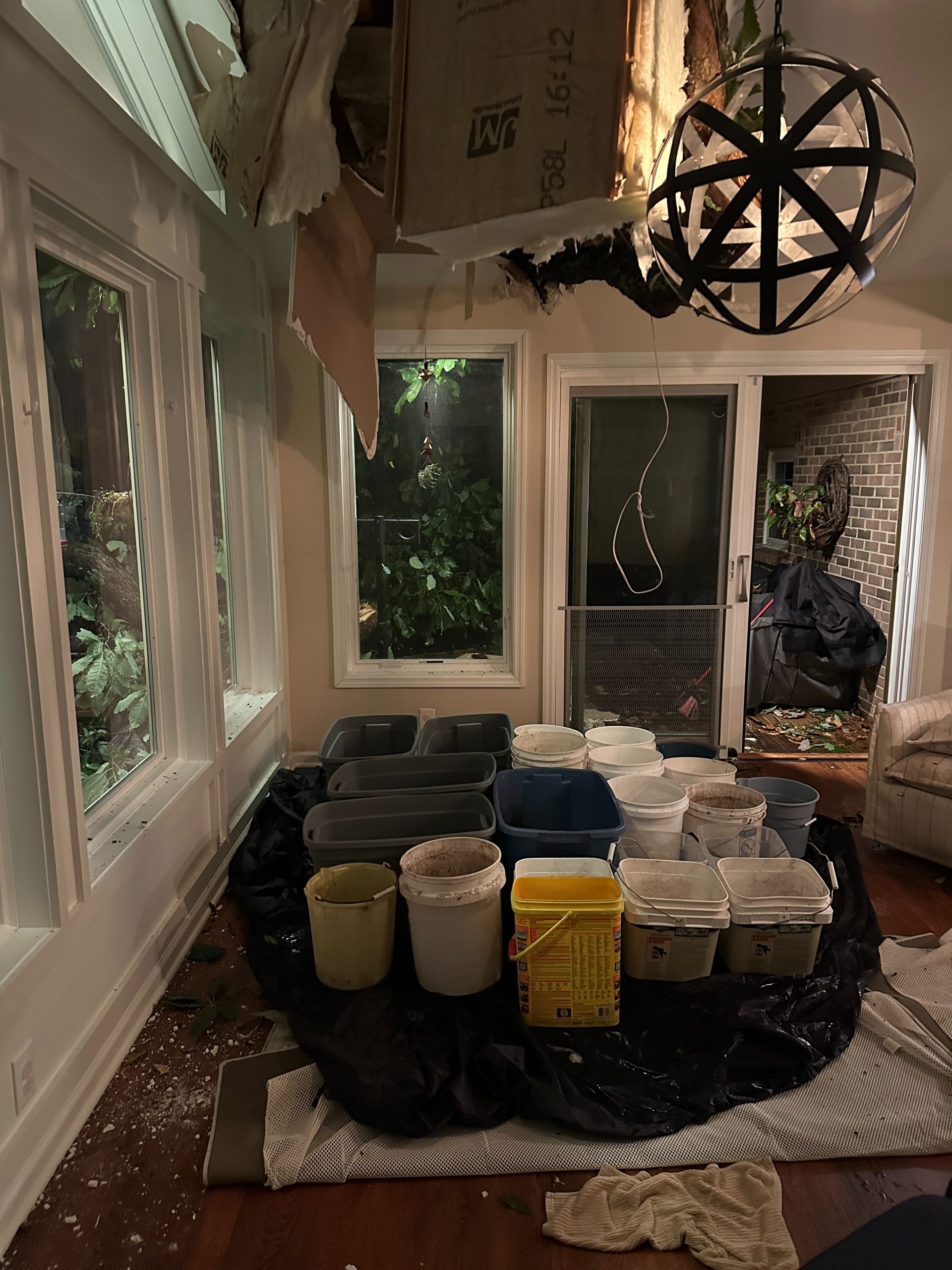
Your sump pump failed during last night’s storm. Or a pipe let go. Or the floor drain backed up. You walked downstairs this morning and found standing water.
What you do in the next 60 minutes matters more than almost anything that comes after it.
This isn’t about panic. Flooded basements happen thousands of times every year across Dayton and the Miami Valley, and most of them are recoverable with the right response. The homeowners who end up with the worst outcomes aren’t the ones whose basements flooded the most — they’re the ones who waited too long, skipped steps, or made the situation more dangerous by jumping in before it was safe.
Here’s exactly what to do, in order.
Step 1: Don’t Go In — Assess the Electrical Situation First
This is the step most people skip, and it’s the most important one.
A flooded basement with active electricity is a life-threatening hazard. Before you step into standing water, you need to know whether the electrical system in that space has been compromised.
Go to your breaker panel — which should be located outside the flooded area — and shut off the circuits that serve the basement. If your breaker panel is inside the flooded basement and you can’t reach it without entering standing water, do not enter. Call your utility company. Call us. Do not go in.
If any outlets, appliances, or electrical panels in the basement were submerged or are currently in contact with water, the space is not safe to enter until a qualified professional has assessed it. This includes your sump pump, your water heater, your HVAC equipment, and anything else plugged in at floor level.
This is not a precaution for extreme cases. It’s a precaution for every flooded basement.
Step 2: Identify and Stop the Source If You Can Do It Safely
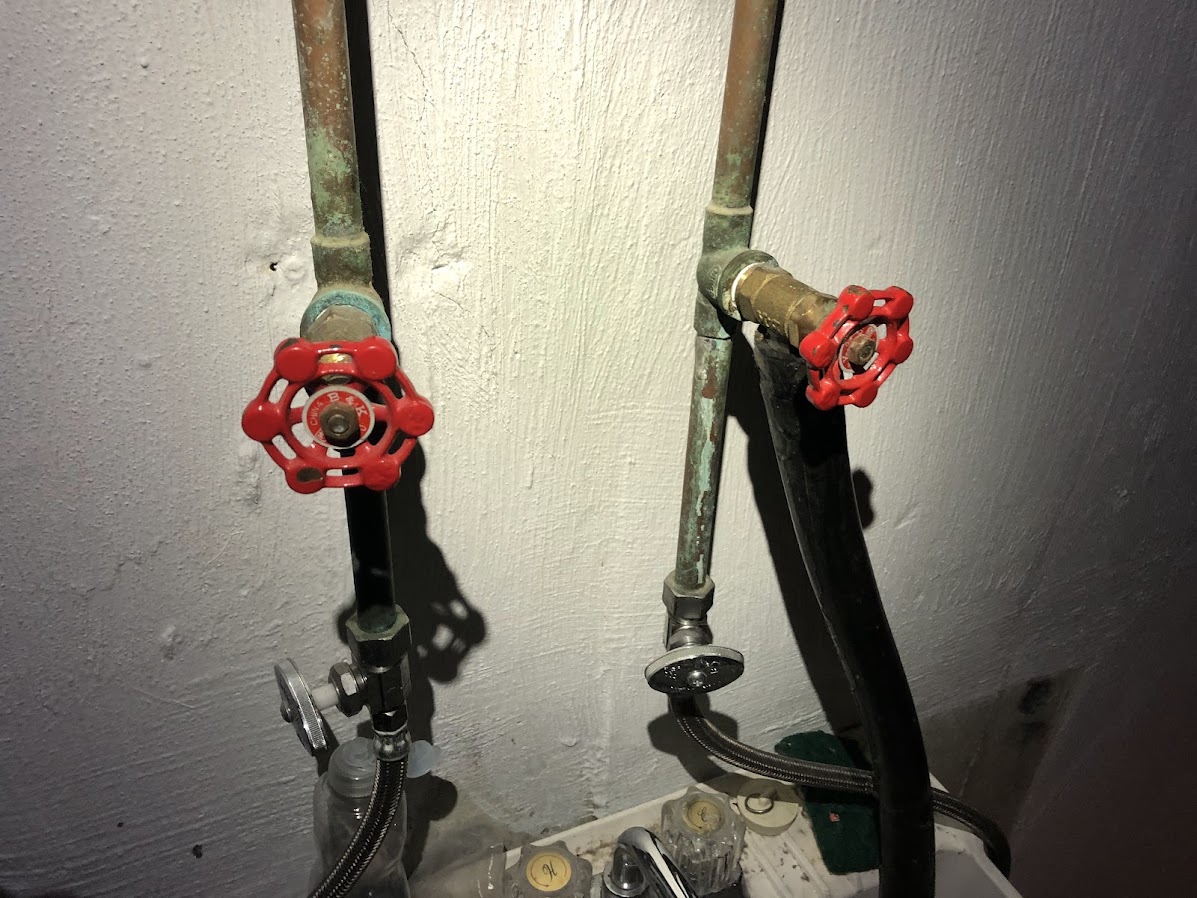
If the flooding is from a burst pipe and you can reach the shutoff valve without entering standing water, shut off the water supply. The main shutoff is typically near the water meter. If the water is coming from outside — groundwater intrusion, a failed sump pump, surface water — there may not be a source you can stop, and that’s okay. Knowing what you’re dealing with matters for what comes next.
If it’s a sump pump failure, don’t attempt to work on the pump while standing in water. If the power is off to the basement and you can reach the sump basin safely, you can remove the pump for inspection — but if you have any doubt about safety, leave it.
Document what you find. Take photos and video before you remove anything or start cleaning up. Insurance claims move faster and resolve better when there’s clear documentation of the original condition.
Step 3: Don’t Use a Shop Vac or Household Equipment to Extract Water
We understand the impulse. You want to do something. But household extraction equipment isn’t built for standing water at scale, and in many cases it makes the situation worse by moving water into areas that weren’t yet affected.
More importantly, shop vacs and household fans don’t dry wall cavities. They don’t reach the moisture inside subfloor panels. They don’t address the water that’s already wicked up behind your drywall. Consumer equipment can make a floor look dry while leaving significant moisture in every surrounding structural material — which is exactly the condition that leads to mold growth within 24 to 48 hours.
If you have a small amount of water and the flooding is clearly surface-level on a concrete floor with no finished walls or materials affected, extracting it yourself is reasonable. But if water has been in contact with drywall, wood framing, insulation, carpet, or finished flooring, you need professional equipment and professional moisture assessment.
Step 4: Call a Restoration Company
This is the call most homeowners delay. Don’t.
Ram Restoration serves water damage emergencies across Dayton and the Miami Valley 24 hours a day with IICRC-certified technicians who respond in 30 to 60 minutes. The call doesn’t commit you to anything. It gets trained eyes on the situation, professional moisture meters on the walls, and gives you a clear picture of what you’re actually dealing with — before the 24-hour clock on mold growth runs out.
When you call, be ready to describe: the approximate amount of water, where it’s coming from if you know, what materials it’s been in contact with, and how long it’s been there. That information helps us arrive with the right equipment.
While you’re waiting, keep people and pets out of the flooded area. Open windows if weather permits to improve ventilation. If you have items in the water that can be moved to a dry area — important documents, electronics, furniture — move them now, but only if you’ve confirmed power to the space is off.
Step 5: What Happens When We Arrive
Professional water damage response starts with moisture mapping, not extraction. Before anything is moved or removed, certified technicians use professional-grade meters to document the full extent of moisture migration in floors, walls, and ceilings. Water travels further than it looks — routinely 10 to 15 feet from the visible water line — and the only way to know where it went is to measure it.
From there, we develop a drying plan specific to your home’s layout, the materials affected, and the category of water involved. We bring industrial air movers and commercial dehumidifiers calibrated to the specific conditions of your basement. We monitor drying progress against documented IICRC S500 standards until everything reaches confirmed dry.
That last part matters. A professional drying job isn’t “it feels dry.” It’s a documented moisture reading, measured against a baseline, that confirms the structure is dry to standard. That documentation also supports your insurance claim.
A Note on Sump Pump Failures Specifically
Sump pump failure is the most common cause of basement flooding we respond to in the Dayton area, particularly during summer storm events. If your pump failed during a storm, it likely failed because it was overwhelmed, lost power, or had reached the end of its service life.
Once the water is out and the basement is dry, have the pump inspected before the next storm. A battery backup system is one of the most practical investments a Miami Valley homeowner can make — they’re relatively inexpensive and they work when grid power goes out, which is exactly when you need them most.
The first hour after a basement floods is the most important hour in the entire recovery process. Stay safe, cut the power, document what you have, and call professionals before the damage timeline works against you.
Ram Restoration responds to flooded basements and water damage emergencies across Dayton, Kettering, Centerville, Beavercreek, Springboro, and the Miami Valley around the clock.
937-885-0088 | www.ramrestorationusa.com