Your basement flooded last week. You got the water out. The carpet dried. The floor feels solid. You ran a dehumidifier for a few days and everything looks fine.
Here’s the part nobody tells you: what’s happening inside your walls right now has nothing to do with what you can see.
This is one of the most common misunderstandings we encounter at Ram Restoration. Homeowners across Dayton and the Miami Valley do everything right on the surface — they extract the standing water, they run fans, they wait for things to dry — and then six weeks later they’re calling us because something smells wrong, or someone in the house has been congested for a month, or they pulled up a piece of baseboard and found black growth behind it.
Water damage isn’t just about what’s visible. And in Ohio’s climate, the window between a flooding event and active mold growth is shorter than most people realize.
Why Ohio Makes This Worse
Mold needs three things to grow: moisture, a food source, and the right temperature. In a flooded Ohio home, all three are present simultaneously — and the Miami Valley’s summer humidity means the ambient air isn’t helping things dry out.
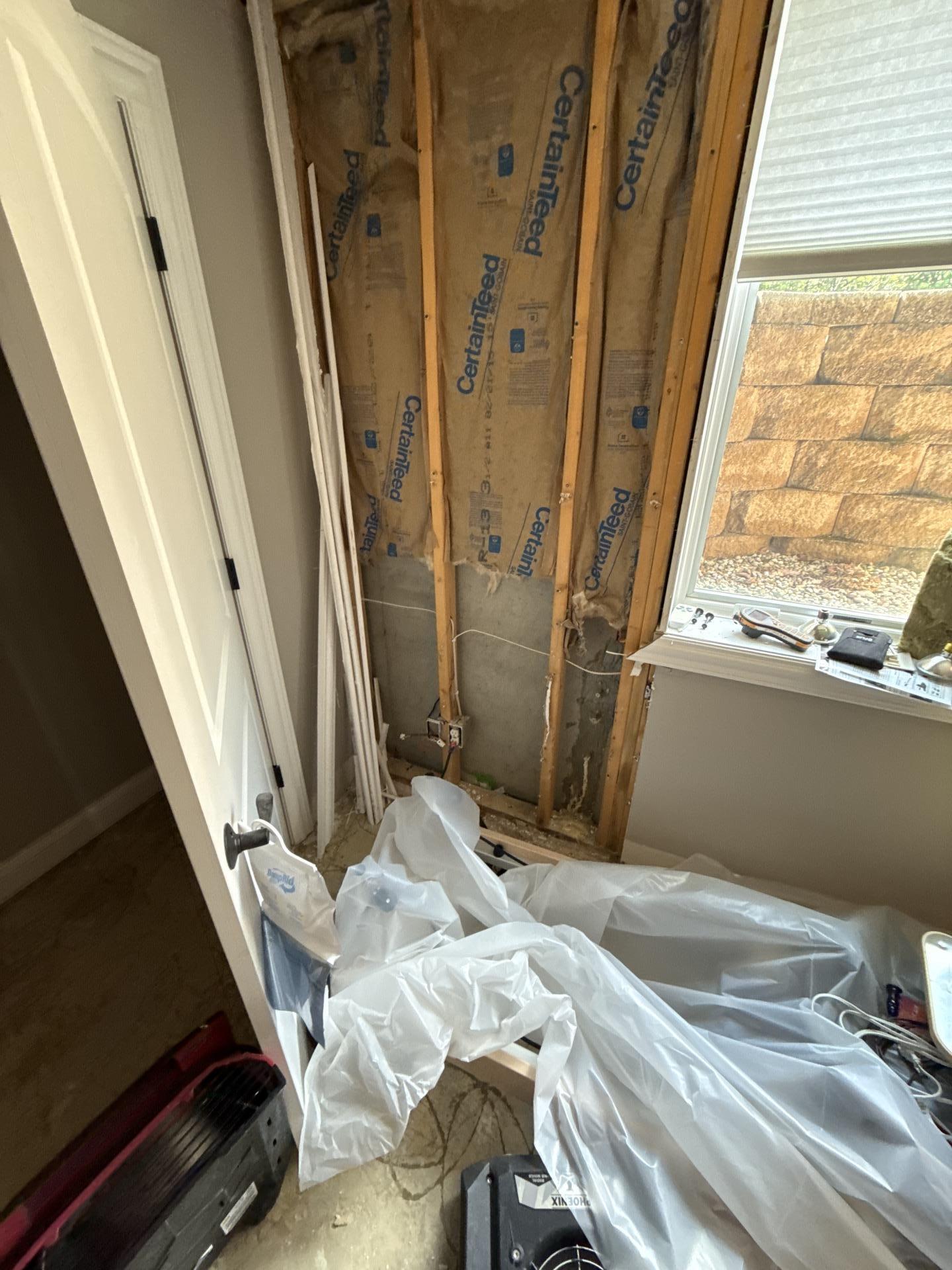
When a basement floods or a pipe bursts inside a wall, the water that’s visible on the floor or soaking into carpet is only part of the problem. Water migrates. It wicks up drywall, sometimes 12 to 18 inches above the visible water line. It moves laterally behind baseboards and into wall cavities. It soaks into wood framing, insulation, and the paper facing on drywall — all of which are organic materials that mold feeds on.
Ohio’s average summer humidity already creates elevated moisture conditions. When you add water-saturated wall cavities to a home in Dayton or Kettering during July or August, the conditions inside those walls can be significantly more humid than anything a consumer dehumidifier is going to address.
The 24 to 48 Hour Mold Clock
This is the number that matters most, and it’s not one we invented. The IICRC — the Institute of Inspection Cleaning and Restoration Certification, which sets the professional standards for the restoration industry — documents that mold can begin to colonize wet building materials within 24 to 48 hours of a moisture event.
That’s not “mold might eventually be a problem.” That’s mold beginning to grow inside your walls within two days of a flooding event.
What makes this particularly difficult is that early-stage mold growth isn’t visible. It doesn’t smell yet. The house looks like it’s drying out. The visible surfaces may actually be drying out — but behind the drywall, in the insulation, inside the wall cavity where air can’t circulate and your fans can’t reach, the conditions are still ideal for growth.
By the time mold becomes visible or detectable by smell, it’s been established for some time. What you’re seeing or smelling at that point is an active colony, not the beginning of a problem.
What’s Actually Growing In There
Not all mold is the same, and not all of it presents the same risks. But several types common to water-damaged Ohio homes are worth understanding.
Cladosporium is one of the most common molds found in water-damaged buildings. It typically appears as black or olive-green growth and colonizes drywall, wood framing, and HVAC components. It’s an allergen that can cause respiratory symptoms, skin irritation, and eye irritation.
Penicillium and Aspergillus species are frequently found together in water-damaged structures. They grow rapidly on wet drywall and insulation and can spread through HVAC systems, which means a localized moisture event in one part of the house can distribute spores throughout the entire structure.
Stachybotrys chartarum — commonly called black mold — requires sustained moisture over a longer period to establish. It’s slower to develop than other species but is associated with more serious health effects and is frequently found in homes where water damage wasn’t addressed promptly.
The reality is that professional mold identification requires laboratory analysis. What a homeowner can see on a wall tells them very little about what species are present, how far colonization has spread, or what’s happening inside the wall cavity itself.
The Problem With “It Looks Fine”
In 2026, the professional restoration and remediation industry has shifted significantly toward health-focused outcomes — and part of that shift involves confronting a persistent misconception: that visible mold removal equals problem solved.
Mold remediation isn’t wiping down a surface. It isn’t painting over discoloration. Proper mold remediation involves identifying the full extent of colonization, removing affected materials, treating and cleaning structural components, and — critically — addressing the moisture source that allowed growth in the first place.
A house where the visible mold has been cleaned but the wall cavity was never opened, inspected, and dried to IICRC standard is a house that still has a mold problem. The air quality in that home reflects what’s inside the walls, not what’s visible on the surface.
This is why homeowners sometimes describe a remediated house that “still doesn’t feel right.” Headaches, congestion, a musty smell that won’t leave despite cleaning. The source was never fully addressed.
What Proper Post-Flood Assessment Looks Like
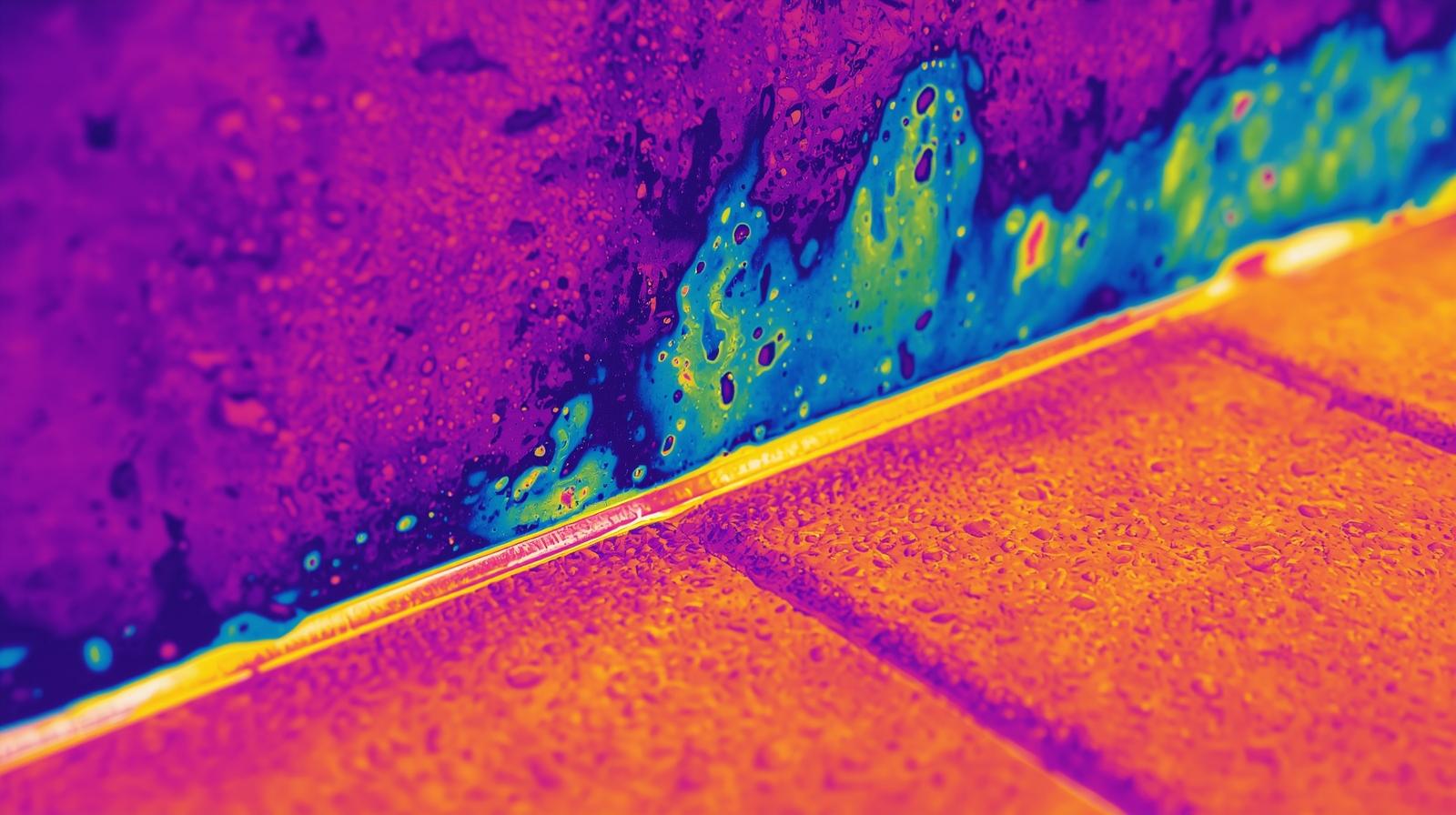
After any flooding event in a Dayton-area home, a thorough assessment should include moisture mapping of all affected walls, floors, and ceilings using professional-grade meters — not a visual inspection. Water migrates in ways that aren’t visible, and moisture readings tell a different story than a dry-looking wall.
If moisture is present in wall cavities, those cavities need to be opened and dried. That typically means removing baseboards, cutting inspection ports, or in cases of significant saturation, removing sections of drywall. It’s not dramatic work, and it’s far less expensive than the mold remediation job that follows if it isn’t done.
Ram Mold Pro, our dedicated mold remediation division, handles full assessments and remediation for homes and commercial properties across Dayton and the Miami Valley. If you’ve had any flooding event in the past 30 days and haven’t had a professional moisture assessment, the time to call is now — before the timeline works against you.
Ram Restoration: 937-885-0088 | www.ramrestorationusa.com
Ram Mold Pro: 888-609-6653 | www.rammoldpro.com