What comes after emergency stabilization — and why the contractor who boards up your property should be the same one who walks you through everything that follows.
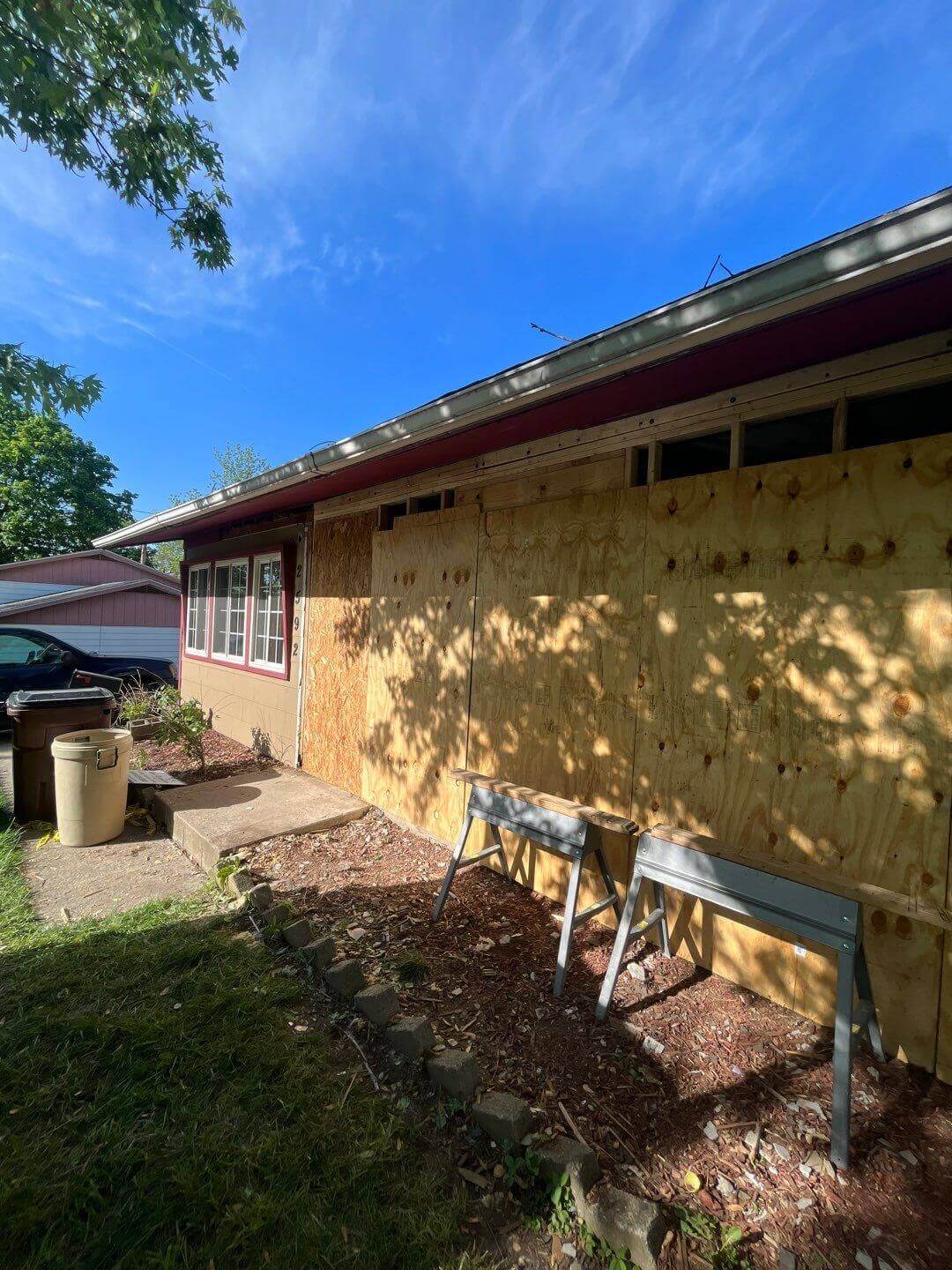
A board-up crew shows up. Plywood goes over the windows. A tarp goes over the roof. The immediate opening is closed. And then — for many property owners — there’s a gap. What happens next? Who coordinates the restoration? Who handles the insurance process? Who does the reconstruction?
That gap is where property owners lose time, money, and control of the process. This post explains what comes after emergency stabilization, and why having one point of contact across the entire process changes the outcome.
What Board-Up Doesn’t Do
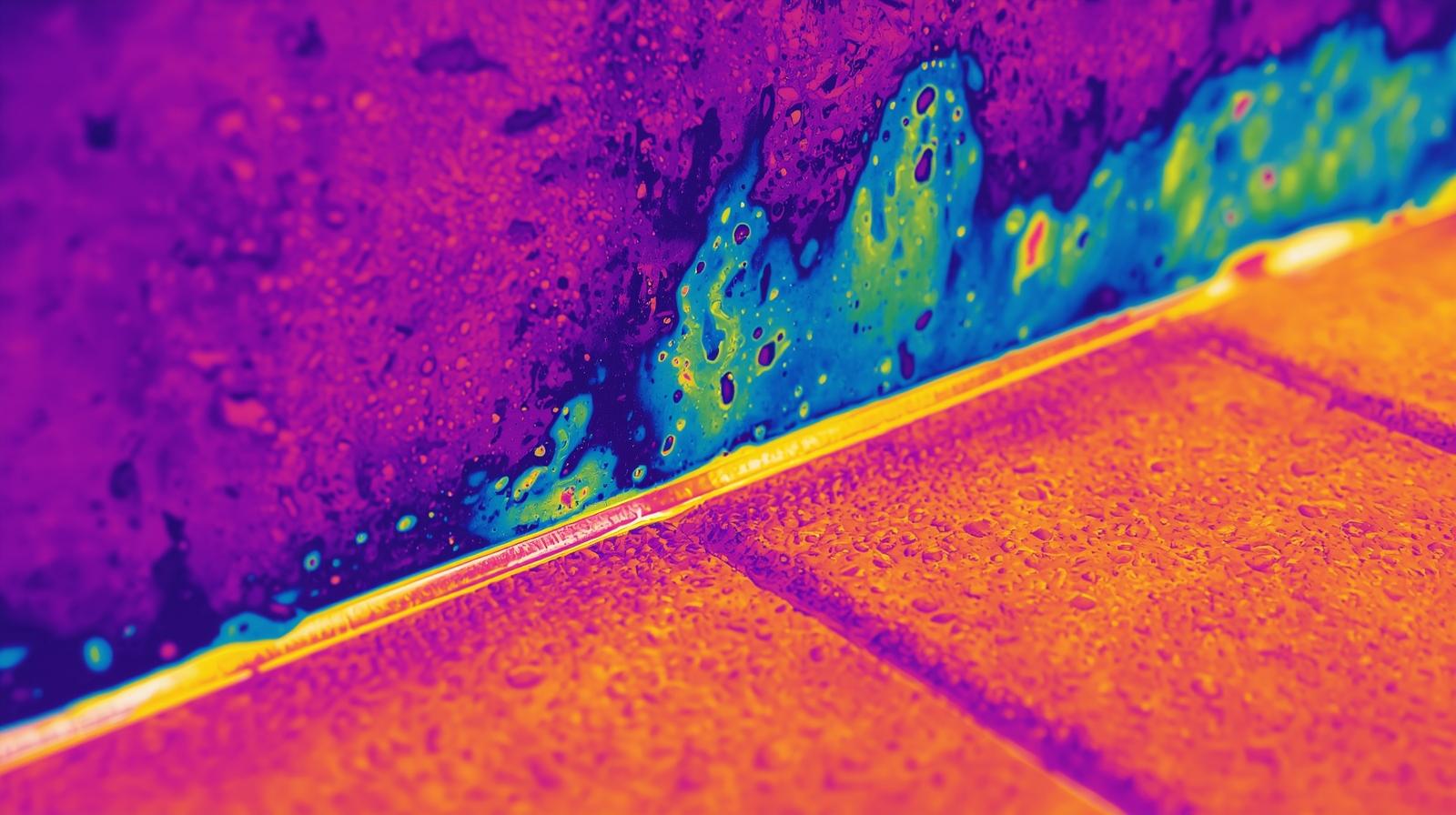
Emergency board-up stops new damage from entering the structure. It doesn’t address the damage that’s already there. After a fire, smoke and soot residue are still actively etching surfaces. After a storm breach, moisture that entered before the board-up is still working its way into building materials. The mold clock is still running.
Board-up buys time. The restoration process uses that time. Treating board-up as the resolution rather than the starting point is one of the most consistent mistakes property owners make after a major damage event.
The Sequence After Stabilization
- Damage assessment: a thorough professional evaluation of all damage present — structural, water, smoke, soot, or mold — with documentation that forms the basis of the insurance claim
- Scope development: a written scope of work covering all phases of restoration and reconstruction, coordinated with the insurance carrier
- Mitigation: water extraction, structural drying, smoke and soot removal, deodorization — addressing the active damage before reconstruction begins
- Reconstruction: rebuilding what was damaged or destroyed, from drywall and framing to full room rebuilds depending on the event
- Final documentation and clearance: confirmation that restoration is complete and the property is ready for occupancy
Why One Point of Contact Matters
The most common source of delay and frustration in the post-damage restoration process is the handoff between contractors. The restoration company finishes mitigation and hands off to a reconstruction contractor who has never seen the property. The reconstruction contractor has questions the restoration company can’t answer. The insurance carrier has documentation from one company and a scope from another and has to reconcile them.
Every handoff is a gap. Every gap is a delay. Every delay is additional time in temporary housing, additional time with a business closed, additional time living with the aftermath of something that should be behind you.
One contractor who owns the process from board-up through final walkthrough isn’t a luxury. It’s the most direct path from damage event to resolved property.
The Ram Holdings Advantage in Practice
Ram Restoration handles the emergency response, board-up, mitigation, and insurance documentation. When reconstruction is needed, Ram Construction is the natural next step. Same family, same project history, no knowledge gap at the handoff.
If the damage event involved a plumbing failure, Restoration Plumbing is already part of the team. If mold is found during mitigation, Ram Mold Pro steps in without a separate contractor search. If the roof is compromised, Ram Roofing is one internal call away.
From the property owner’s perspective, this means one point of contact, one consistent communication stream, and one team that is accountable for the outcome from the first emergency call to the final walkthrough.
What to Ask Any Restoration Contractor After Board-Up
- Who handles the reconstruction phase — do you have a construction partner, or will I need to find my own?
- Will the same team that documented the original damage be involved in the reconstruction scope?
- How do you handle the insurance carrier communication — do you work with them directly, or does that fall to me?
- What does your documentation process look like, and will I have access to the records throughout?
- What is the projected timeline from current state to completed restoration?
Ram Restoration provides emergency board-up, full restoration, and reconstruction coordination through Ram Construction — one team, one process, from first call to final walkthrough. Greater Dayton area and Miami Valley. 937-885-0088