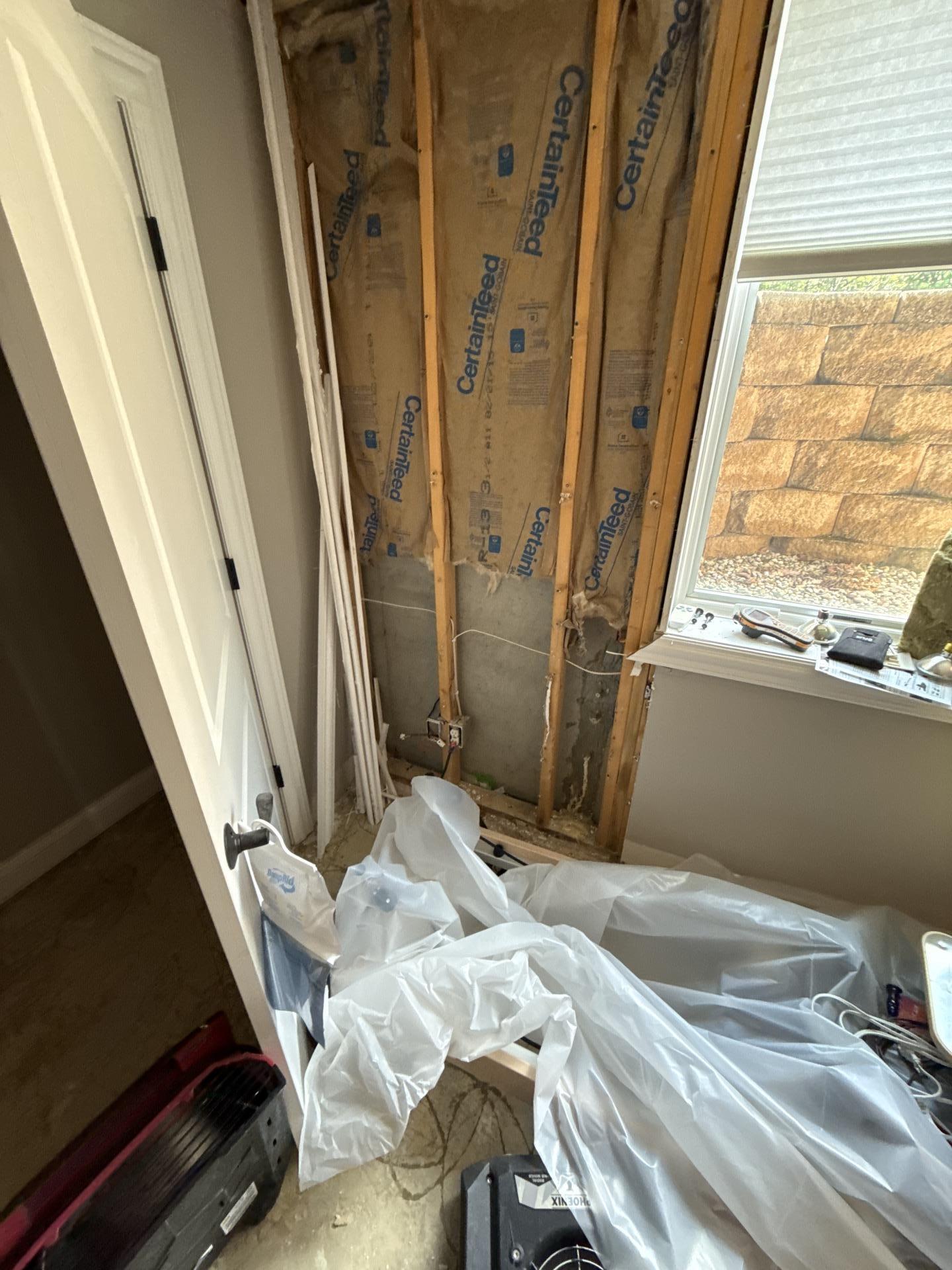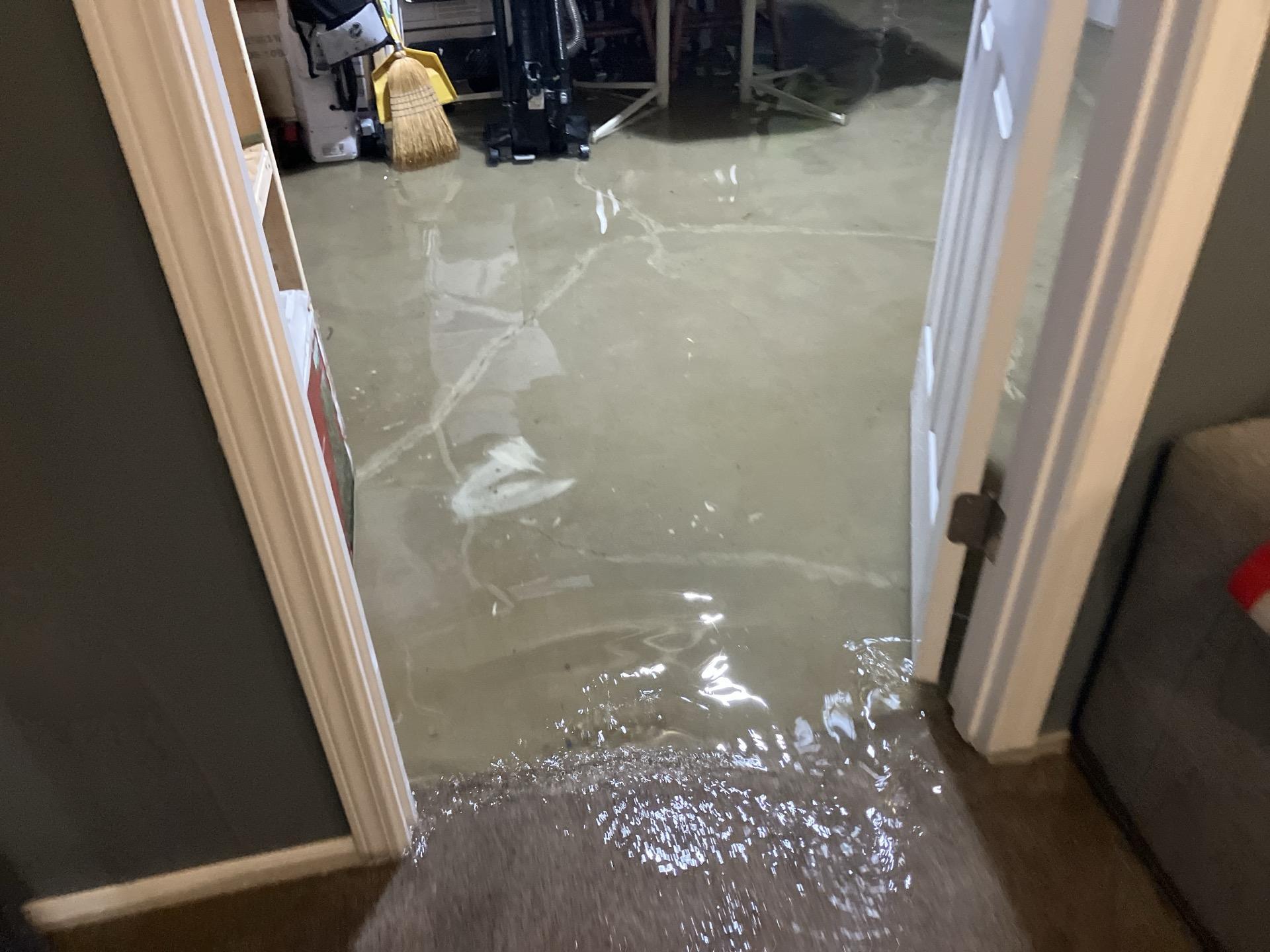
The storms coming through Dayton this July aren’t just summer thunderstorms. Hot, humid air has been sitting over the Miami Valley for days at a time, and that combination is exactly what turns an ordinary storm into a fast, heavy downpour instead of a steady rain.
Here’s the simple version of why. Warm air holds more moisture than cool air. When a heat wave sits over Ohio and a front finally pushes through, all that stored-up moisture doesn’t fall gradually — it dumps. That’s the difference between a rain your gutters and yard can absorb and an inch of water in twenty minutes that overwhelms a sump pump that’s never had a problem before.
Why Basements Take the Hit First
Basements in Centerville, Kettering, Beavercreek, and a lot of older Dayton neighborhoods sit at the bottom of that equation, literally. When storm drains and saturated yards can’t move water fast enough, it finds the lowest point in the house. A sump pump that handles normal rain without issue can get buried by a flash-flood-style downpour, especially if the same storm knocks out power.
The Heat Doesn’t Stop When the Rain Does
Here’s the part most homeowners don’t think about. Once water gets into a basement, July heat and humidity speed up everything that happens next. Under normal conditions, mold spores can start germinating in drywall and wood within 24 to 48 hours of a flood. In hot, humid weather, that timeline doesn’t slow down — it holds or runs faster, because mold grows fastest in the same warm, damp conditions the weather is already creating.
That’s why the first 24 hours after storm-related flooding matter more in the middle of a heat wave than they do in January. Waiting a few days to see if a basement dries out on its own is a bigger gamble in July than almost any other time of year.
What This Means If Your Basement Floods This Summer
If a storm gets ahead of your sump pump, don’t wait it out. Document the damage with photos before cleanup starts, and get water extraction and structural drying going as soon as you can. Ram Restoration handles water extraction, structural drying, and storm damage response for homes and businesses across Dayton and the Miami Valley, and every job follows an IICRC-standard process from the first visit through the final moisture reading.
If mold is already visible by the time help arrives, that’s handled by Ram Mold Pro, part of the same family of companies — no need to track down a second contractor mid-crisis.