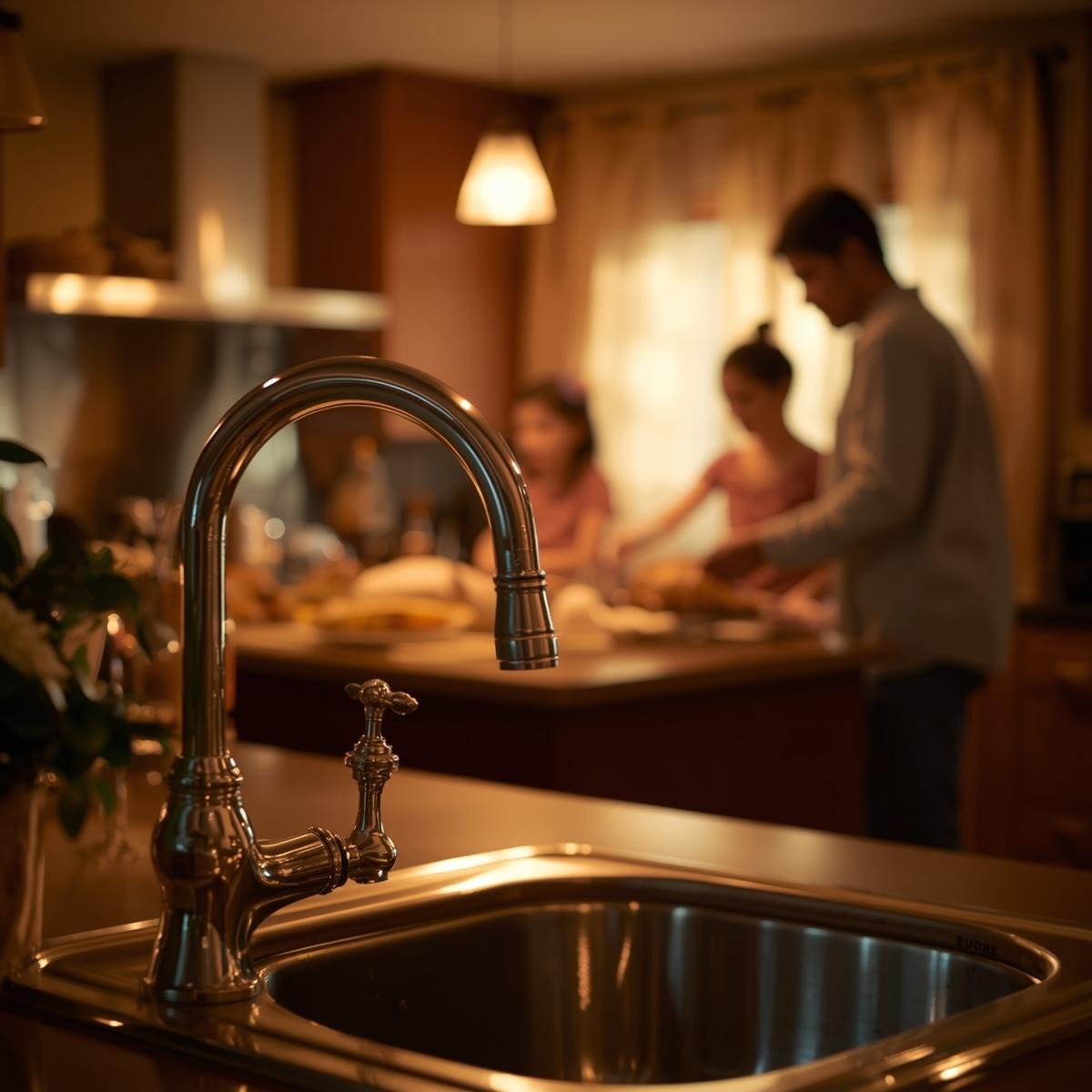
Thanksgiving is the one day a year when nearly every burner, the oven and sometimes a turkey fryer are all going at once — often with a house full of guests, kids and pets underfoot. That combination makes it the peak day of the year for home cooking fires in the United States.
That’s not a reason to dread the holiday. Most kitchen fires are preventable, and the habits that prevent them are simple. Here’s what the numbers show, how to keep your kitchen safe and what to know about smoke damage if a fire does start.
Is Thanksgiving really the No. 1 day for home cooking fires?
Yes. The National Fire Protection Association estimates that U.S. fire departments responded to 1,446 home cooking fires on Thanksgiving Day 2023 — a 388% increase over the daily average, according to the Illinois Office of the State Fire Marshal’s summary of NFPA data. NFPA ranks Christmas Day and Christmas Eve second and third.
The U.S. Consumer Product Safety Commission puts it another way: Thanksgiving averages about 1,400 cooking fires, more than three times the average for any other day.
Where do most Thanksgiving fires start?
In the kitchen, and mostly on the stovetop. The U.S. Fire Administration reports that cooking is the leading cause of Thanksgiving Day fires in residential buildings, responsible for 74% of them. NFPA data show ranges and cooktops are involved in almost 3 out of 5 home cooking fires, with ovens involved in 13%.
Timing matters too. According to the USFA, 54% of Thanksgiving Day residential building fires happen between 10 a.m. and 5 p.m. — the stretch when most of the meal is being prepped and cooked.
What are the best ways to prevent a kitchen fire on Thanksgiving?
The CPSC and fire officials point to the same core habits:
- Never leave cooking unattended. If you need to step away from the stovetop, turn off the burner. Set timers for anything in the oven and check on it regularly.
- Keep kids and pets at least 3 feet away from the stove and from hot food and liquids.
- Keep the cooktop clear of towels, oven mitts, packaging and recipe cards.
- Keep a lid nearby. If a pan of grease catches fire, slide the lid over it and turn off the burner. Never throw water on a grease fire.
- Keep a fire extinguisher in or near the kitchen, and know how to use it.
- Test your smoke alarms before guests arrive.
For an oven fire, keep the door closed and turn off the heat. If a fire isn’t out quickly or is spreading, get everyone out and call 911 from outside.
Is it safe to deep-fry a turkey?
It can be, but fryers demand respect. The CPSC recommends following the manufacturer’s instructions, not overheating the oil, not overfilling the pot and keeping the fryer well away from the house, the garage and any deck. Fry outdoors on a flat, level surface, and make sure the turkey is fully thawed and dried before it goes in.
If a small kitchen fire happens, is the damage limited to the kitchen?
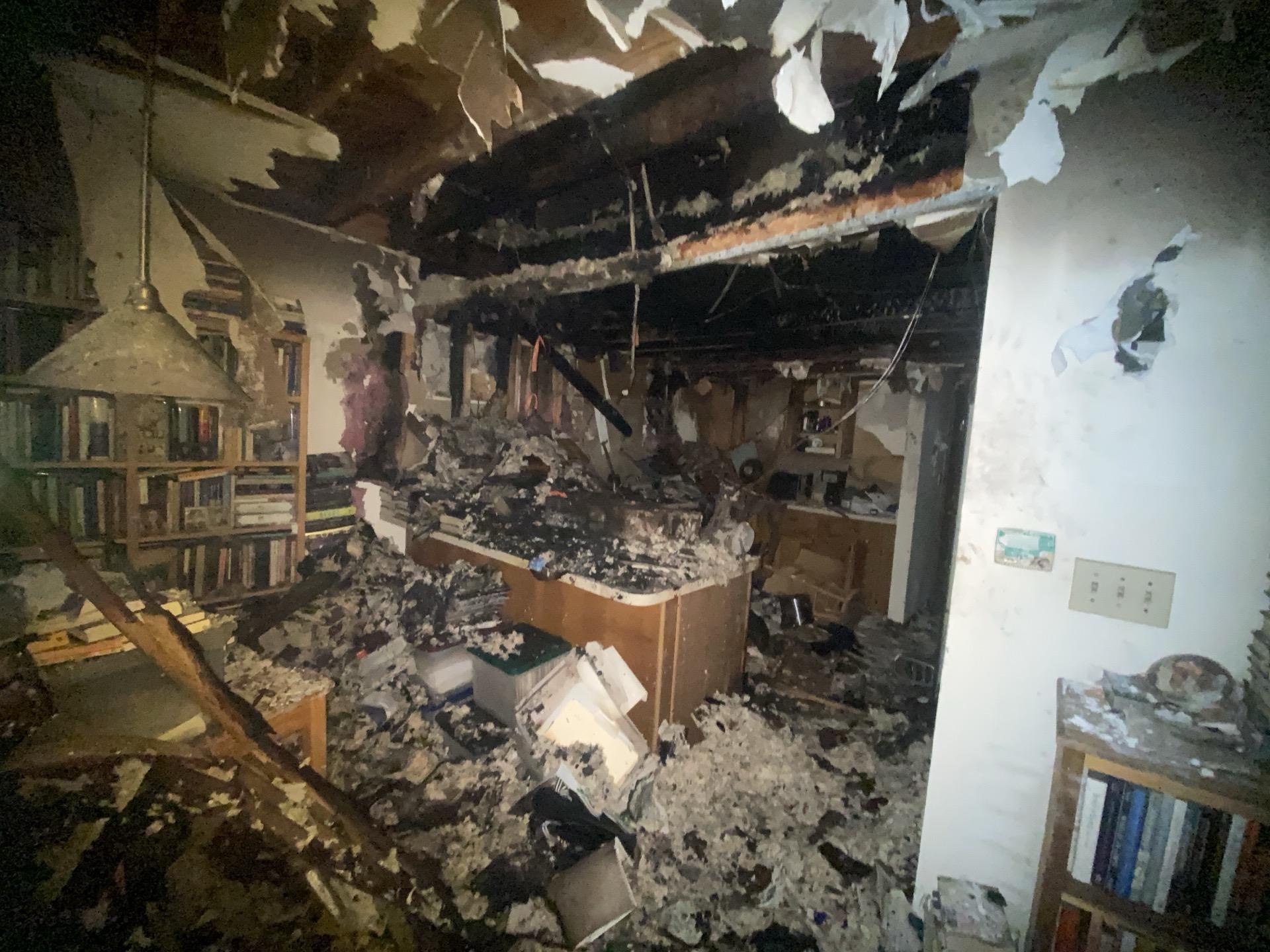
Often not. Flames may stay on the stovetop, but smoke and soot travel. Smoke moves through the whole house on air currents and through the HVAC system, settling on walls, ceilings, cabinets, upholstery and inside closets far from the kitchen. Protein fires — burned meat, poultry and grease — can leave a residue that’s nearly invisible but carries a strong, lingering odor.
A few things to know:
- Don’t wipe soot with a damp cloth or household cleaner. That can smear the residue and set it into paint and fabric.
- Don’t run the HVAC system until it’s been checked, so you don’t spread soot further.
- Ventilate if it’s safe to do so, and keep people with breathing sensitivities out of the affected rooms.
- Take photos of the damage before cleanup begins.
Our earlier posts on the difference between fire damage and smoke damage and on why smoke smell lingers explain what professional cleaning involves and why surface cleaning often isn’t enough.
How serious are Thanksgiving fires overall?
Serious enough to plan for. According to the U.S. Fire Administration, Thanksgiving Day fires in residential buildings average about 2,300 a year and cause an estimated 5 deaths, 25 injuries and $26 million in property loss annually. NFPA data show cooking accounted for 80% of home fires on Thanksgiving from 2019 to 2023. Year-round, cooking causes 52% of reported home fires and 36% of home fire injuries.
Dayton and Miami Valley homeowners: what should I do after a kitchen fire?
First, make sure everyone is safe and the fire department has cleared the home. Then call your insurance agent to report the loss and ask about your coverage — every policy is different. Ram Restoration provides 24/7 fire and smoke damage cleanup across Dayton and the Miami Valley, including soot removal, odor treatment and cleaning of contents and surfaces. If firefighters used water to put out the fire, we handle drying as well, which helps keep a fire problem from becoming a water or mold problem.
By the numbers:
- 1,446: estimated home cooking fires on Thanksgiving Day 2023, a 388% increase over the daily average (NFPA, via Illinois Office of the State Fire Marshal)
- 80%: share of Thanksgiving home fires caused by cooking, 2019–2023 (NFPA, via Illinois OSFM)
- 74%: share of Thanksgiving Day residential building fires caused by cooking (U.S. Fire Administration)
- 54%: share of those fires that happen between 10 a.m. and 5 p.m. (U.S. Fire Administration)
- About 2,300: Thanksgiving Day residential building fires each year, with $26 million in property loss (U.S. Fire Administration)
- Almost 3 in 5: home cooking fires that involve ranges or cooktops (NFPA, via Illinois OSFM)
- More than 3 times: Thanksgiving’s cooking-fire count compared with the average day (CPSC)
Sources: U.S. Fire Administration/FEMA, “Thanksgiving Day Fires in Residential Buildings (2017-2019)” NFIRS Data Snapshot; Illinois Office of the State Fire Marshal, 2025 Thanksgiving cooking safety release (citing NFPA); U.S. Consumer Product Safety Commission, “Put Safety on the Menu” (2026); Carrier Management, Nov. 13, 2025 (citing NFPA holiday rankings)
Enjoy the meal, keep an eye on the stove and know that help is a phone call away. For fire and smoke damage cleanup, call Ram Restoration 24/7: 888-609-6653 or www.ramrestorationusa.com
Related reading
- Is Heating Season Really Fire Season? What to Check Before You Turn Up the Heat
- What’s the Difference Between Fire Damage and Smoke Damage Cleanup?
- Why Does Smoke Smell Linger in a House Long After a Fire Is Out?
- Residential restoration services