If you turn on a faucet and only a trickle comes out, the Red Cross says to suspect a frozen pipe. Likely spots are along exterior walls or where the water service enters the home through the foundation.
To thaw it safely:
- Keep the faucet open. As the frozen area begins to melt, water will flow, and running water helps melt the ice.
- Apply gentle heat to the section of pipe using an electric heating pad, an electric hair dryer, a portable space heater kept away from flammable materials, or towels soaked in hot water.
- Never use a blowtorch, kerosene or propane heater, charcoal stove or any other open-flame device.
- Keep applying heat until full water pressure is restored, then check other faucets in the house for frozen lines.
- If you can’t find the frozen area, can’t reach it or can’t thaw it, call a licensed plumber.
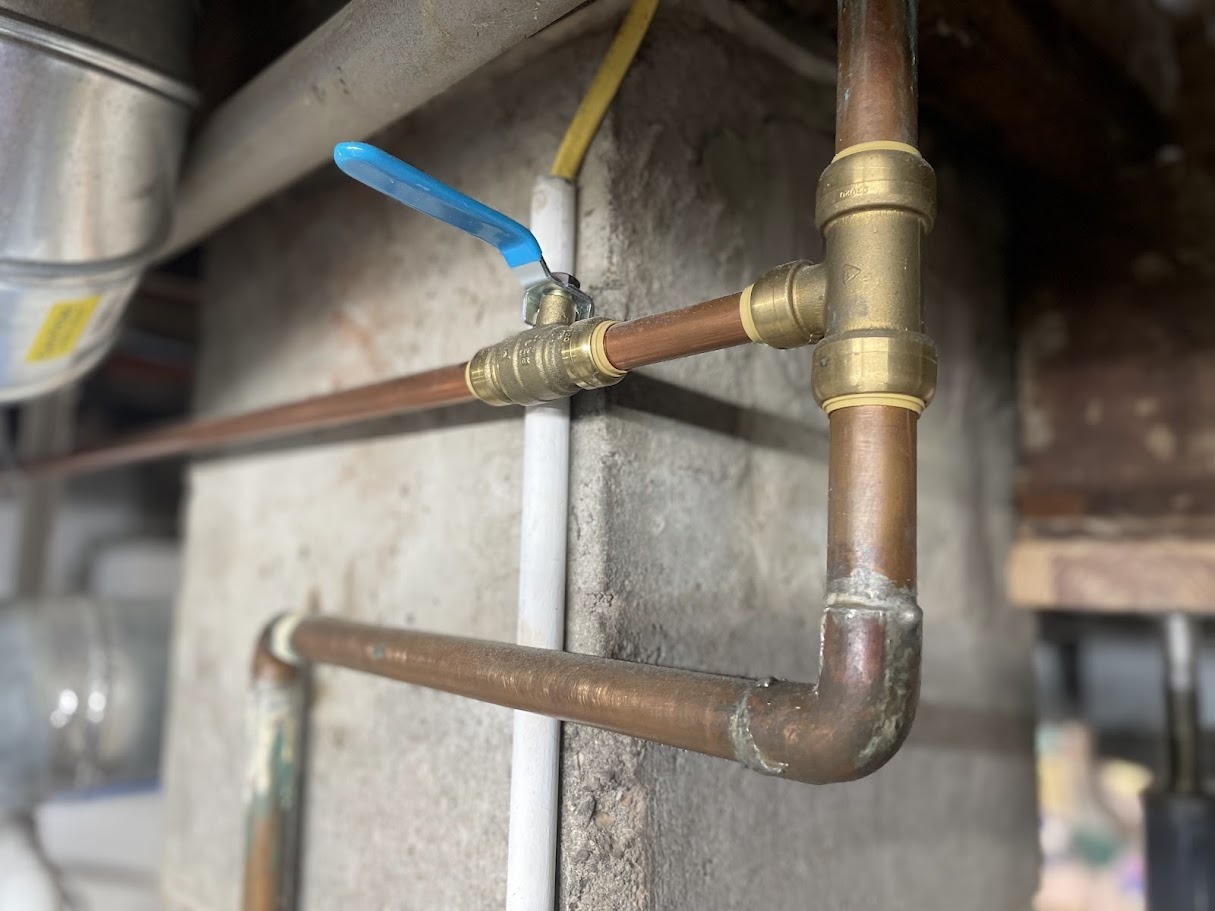
It also helps to know where your main water shutoff valve is before you start. If the pipe has split, that valve is the fastest way to stop the water once it thaws.
What if a pipe has already burst?
Shut off the main water supply, turn off electricity to any area where water is near outlets or appliances, move belongings out of the way and call a plumber for the repair. Then take photos of the affected area for your records.
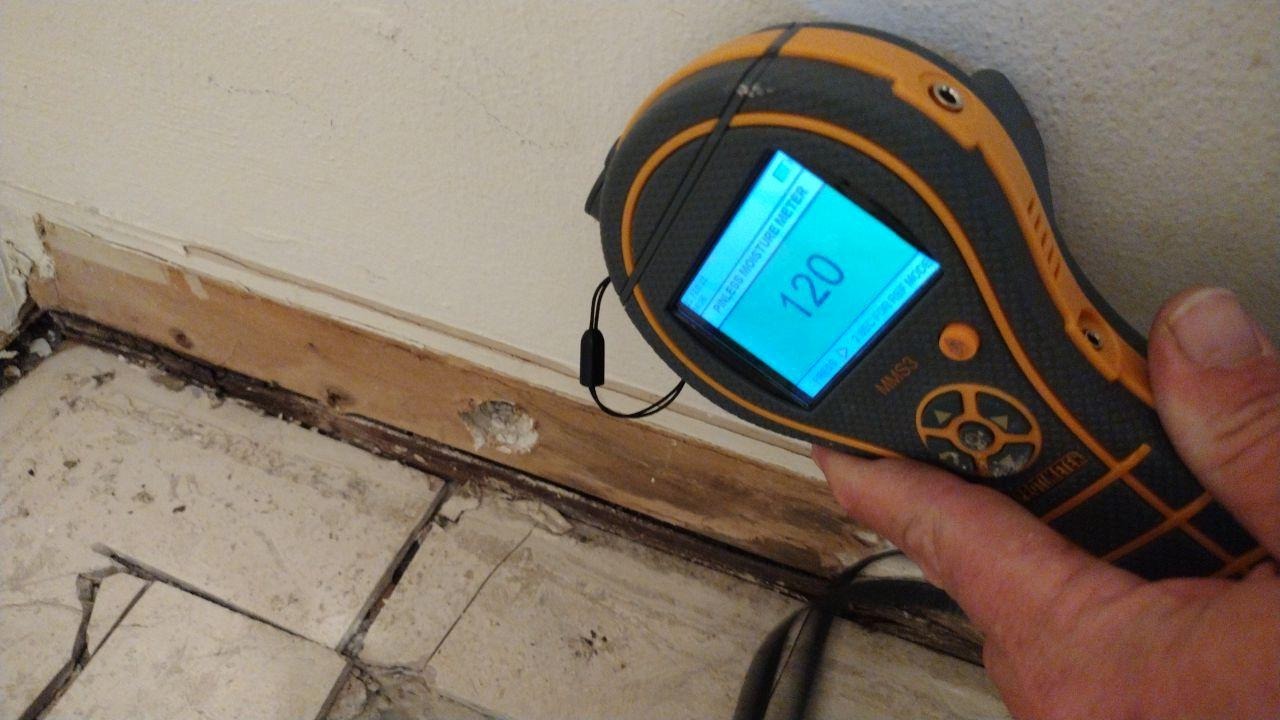
Water from a burst pipe travels fast and moves into places you can’t see: under flooring, into wall cavities and down into ceilings below. Professional drying uses moisture meters and commercial equipment to find and dry that hidden water. If you have questions about possible mold growth afterward, Ram Mold Pro handles mold inspection and remediation.
The bottom line
Pipes freeze in the coldest corners of a house, not the warmest rooms. A walk through the basement, crawl space, garage and under the sinks on exterior walls this month, plus a few minutes disconnecting hoses and adding insulation, covers most of the risk before the first deep freeze arrives.
By the numbers:
- Pipes freeze most often in three places: those exposed to severe cold outdoors, supply lines in unheated interior areas and pipes against poorly insulated exterior walls, per the American Red Cross.
- If you’ll be away during cold weather, the Red Cross recommends keeping the heat set no lower than 55 degrees Fahrenheit.
- Never thaw a frozen pipe with an open flame; use a heating pad, hair dryer, space heater or hot towels instead (Red Cross).
Sources: American Red Cross, “Preventing & Thawing Frozen Pipes”
If a frozen pipe does burst, Ram Restoration is available 24/7 for water damage across the Dayton and Miami Valley region: 937-885-0088 or www.ramrestorationusa.com
Related reading
- Does Homeowners Insurance Cover Frozen and Burst Pipes?
- Why Do Water Heaters Fail in Winter? The Warning Signs to Watch For
- The 3 Common Causes of Water Damage in Dayton to Homes & Buildings
- Residential restoration services