The holidays are when many commercial buildings are at their quietest. Offices close between Christmas and New Year’s, schools empty out, retail back rooms sit dark after hours and the thermostat gets turned down to save energy. For facilities managers and property owners, that quiet stretch is also one of the riskiest times of the year for frozen pipes.
A burst pipe or frozen sprinkler line in an occupied building usually gets noticed fast. In an empty one, water can run for hours or days before anyone walks in. Here’s how Dayton and Miami Valley businesses can plan ahead, based on guidance from the National Fire Sprinkler Association (NFSA), the American Red Cross and the Insurance Institute for Business & Home Safety (IBHS).
Why are holiday closures risky for commercial plumbing?
Three things line up at once: colder weather, lower thermostat settings and fewer people on site. Plumbing and sprinkler lines that are fine during a busy workweek — when heat runs steadily and doors open and close all day — can drop below freezing when the building is set back and empty.
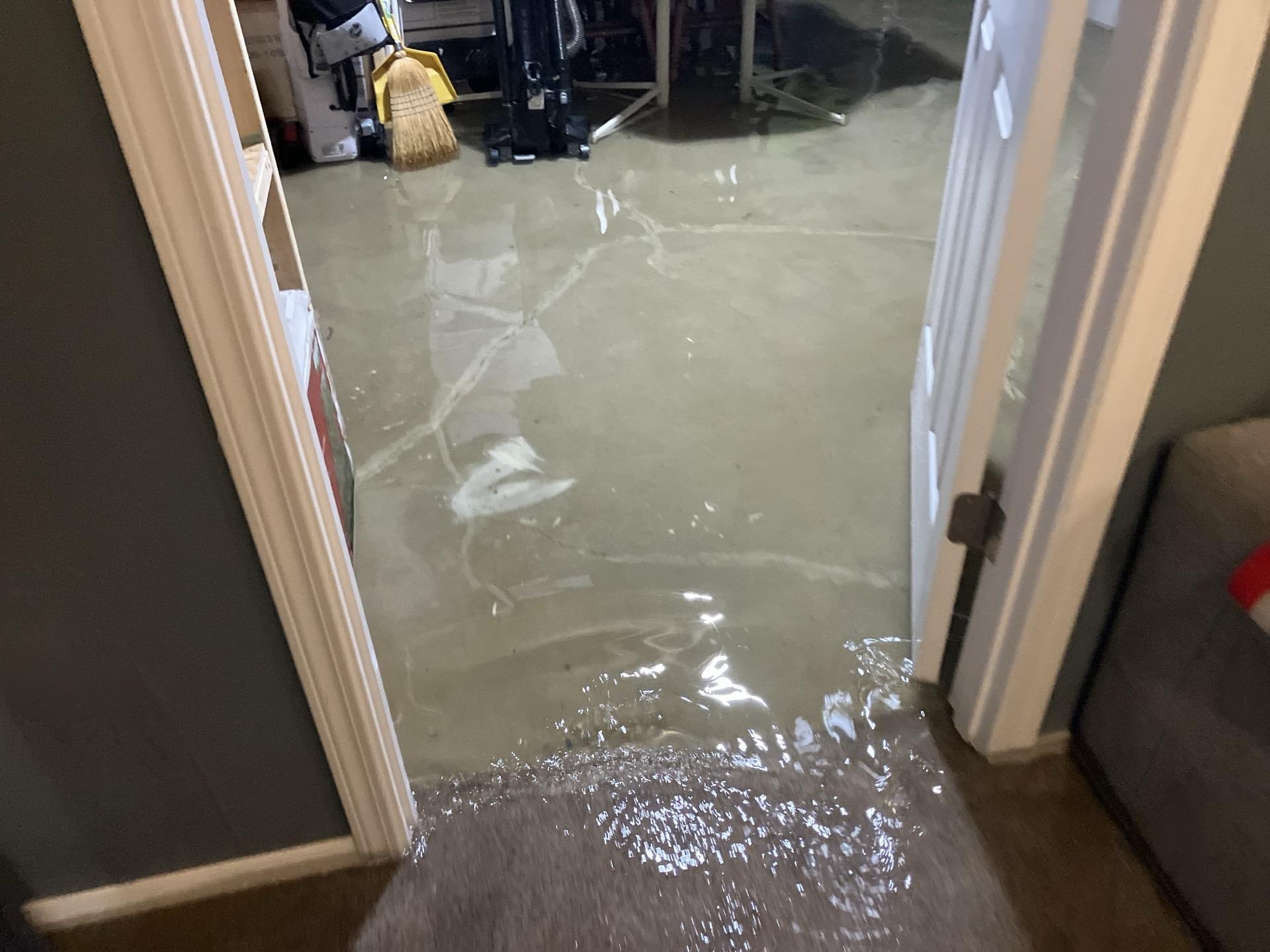
The biggest risk isn’t always the freeze itself. It’s the time between when a pipe breaks and when someone finds it. A leak discovered Monday morning after a four-day weekend has had plenty of time to soak ceiling tiles, carpet, drywall, inventory and equipment.
How low can we set the heat during a holiday shutdown?
Not as low as many people assume. For fire sprinkler systems, NFSA advises keeping areas with water-filled sprinkler piping at 40°F or higher. For general building plumbing, the Red Cross and IBHS recommend that homeowners keep the thermostat at 55°F or higher during cold weather, even when they’re away — a sensible reference point for unoccupied commercial space, too, and keeping it steady rather than letting it drop overnight. Check your building’s systems, codes and any requirements from your insurer before setting back the heat.
Remember that the thermostat reading in a central office doesn’t tell you the temperature in a vestibule, stairwell, storage room or ceiling space along an exterior wall.
Where do pipes freeze first in commercial buildings?
NFSA points to entry vestibules, stairwells, unoccupied or seldom-used spaces and areas near skylights as common trouble spots for sprinkler piping. Loading docks, mechanical rooms, attic and above-ceiling spaces, and any piping that runs along an exterior wall are also worth a close look. The Red Cross lists unheated areas and exterior walls as the most vulnerable locations for any water line.
Before the holidays, walk the building with your facilities team or maintenance contractor. Look for gaps around doors and windows, broken weather stripping, missing insulation and areas that feel noticeably colder than the rest of the building.
What about dry-pipe sprinkler systems?
Dry-pipe systems are designed for unheated areas because the piping is filled with pressurized air instead of water until a sprinkler activates. But they still need attention in winter. NFSA explains that condensation can collect at low points in the piping and freeze, so the low-point drains — often called drum drips or auxiliary drains — should be drained before and during cold weather. NFSA also notes that the enclosure housing a dry-pipe valve must be kept heated, and should be checked daily during cold weather, or weekly if it has a low-temperature alarm.
Inspection, testing and maintenance of sprinkler systems is governed by NFPA 25, and NFSA notes that frozen sprinkler pipes are one of the most common winter service calls. Schedule winterization with your licensed fire protection contractor before closing for the holidays.
What should be on our pre-holiday checklist?
A simple checklist can prevent most holiday freeze-ups:
- Confirm thermostat settings in every zone, including vestibules, stairwells and storage rooms, and lock them if possible.
- Have your fire protection contractor drain dry-pipe low points and confirm valve rooms are heated.
- Insulate exposed piping in cold areas and seal drafts near water lines.
- Disconnect hoses and shut off and drain exterior hose bibs.
- Make sure key staff know where the main water shutoff and sprinkler control valves are, and that they’re accessible.
- Test low-temperature and water-leak alarms, and confirm who gets the alert.
- Assign someone to walk the building at least once during an extended closure.
What should we do if a pipe bursts while the building is closed?
Shut off the water at the main or the nearest isolation valve, but don’t close a sprinkler control valve without involving your fire protection contractor and following your fire safety procedures — that can leave the building unprotected. If water is near electrical panels or equipment, keep people out of the area until power can be safely shut off. Document the damage with photos and video, then call for help.
Call Ram Restoration 24/7 at 888-609-6653 and our commercial team can begin water extraction and structural drying quickly to help limit downtime. The U.S. Environmental Protection Agency advises drying water-damaged areas and materials within 24 to 48 hours to help prevent mold growth.If mold becomes a concern after a water event, our sister company Ram Mold Pro can help.
Why does this matter for Miami Valley businesses?
Southwest Ohio winters can flip from mild to bitter quickly, and a cold snap that lands over a long holiday weekend is the worst-case scenario for an empty building. In January 2026, the National Weather Service in Wilmington recorded 14.0 inches of snow in Dayton from a single storm, including a record 12.4 inches on Jan. 25. Storms like that can also make it harder for staff to get to a building to check on it — another reason to plan before the doors close.
By the numbers:
- 40°F: the minimum temperature NFSA advises for areas with water-filled sprinkler piping (National Fire Sprinkler Association)
- 55°F: the minimum thermostat setting the American Red Cross and IBHS recommend for homes in cold weather, even when no one is there (American Red Cross; IBHS)
- Daily, or weekly with an alarm: how often NFSA says to check a heated dry-pipe valve enclosure in cold weather (National Fire Sprinkler Association)
- 24 to 48 hours: the window EPA recommends for drying water-damaged areas and materials to help prevent mold growth (U.S. EPA)
- 12.4 inches: Dayton’s record daily snowfall on Jan. 25, 2026 (National Weather Service Wilmington, Ohio)
Sources: National Fire Sprinkler Association, “How to Winterize a Fire Sprinkler System” and “The Cold Reminder about Sprinkler Systems”; American Red Cross, “Preventing & Thawing Frozen Pipes”; Insurance Institute for Business & Home Safety, “IBHS Winter Ready guides provide steps property owners can take now to avoid costly damage when freezing temps arrive”; U.S. Environmental Protection Agency, “A Brief Guide to Mold, Moisture and Your Home”; National Weather Service Wilmington, Ohio, January 2026 winter storm summary
Closing for the holidays? Plan ahead — and if water finds a way in, Ram Restoration is available 24/7 for commercial water extraction and drying: 888-609-6653 or www.ramrestorationusa.com
Related reading
- Does Homeowners Insurance Cover Frozen and Burst Pipes?
- Why Do Water Heaters Fail in Winter? The Warning Signs to Watch For
- The 3 Common Causes of Water Damage in Dayton to Homes & Buildings
- Commercial restoration services