Most of the year, a sump pump is the quietest appliance in the house. It sits in a pit in the basement floor, kicks on when groundwater rises and sends that water outside before it can reach your floor. You probably don’t think about it — until the lights go out during a storm.
That’s the catch: the storms most likely to knock out power are often the same storms that send the most water toward your foundation. Here’s what happens to a sump pump in an outage, what your backup options are and how Dayton and Miami Valley homeowners can get ready before the next big storm.
Does a sump pump work without power?
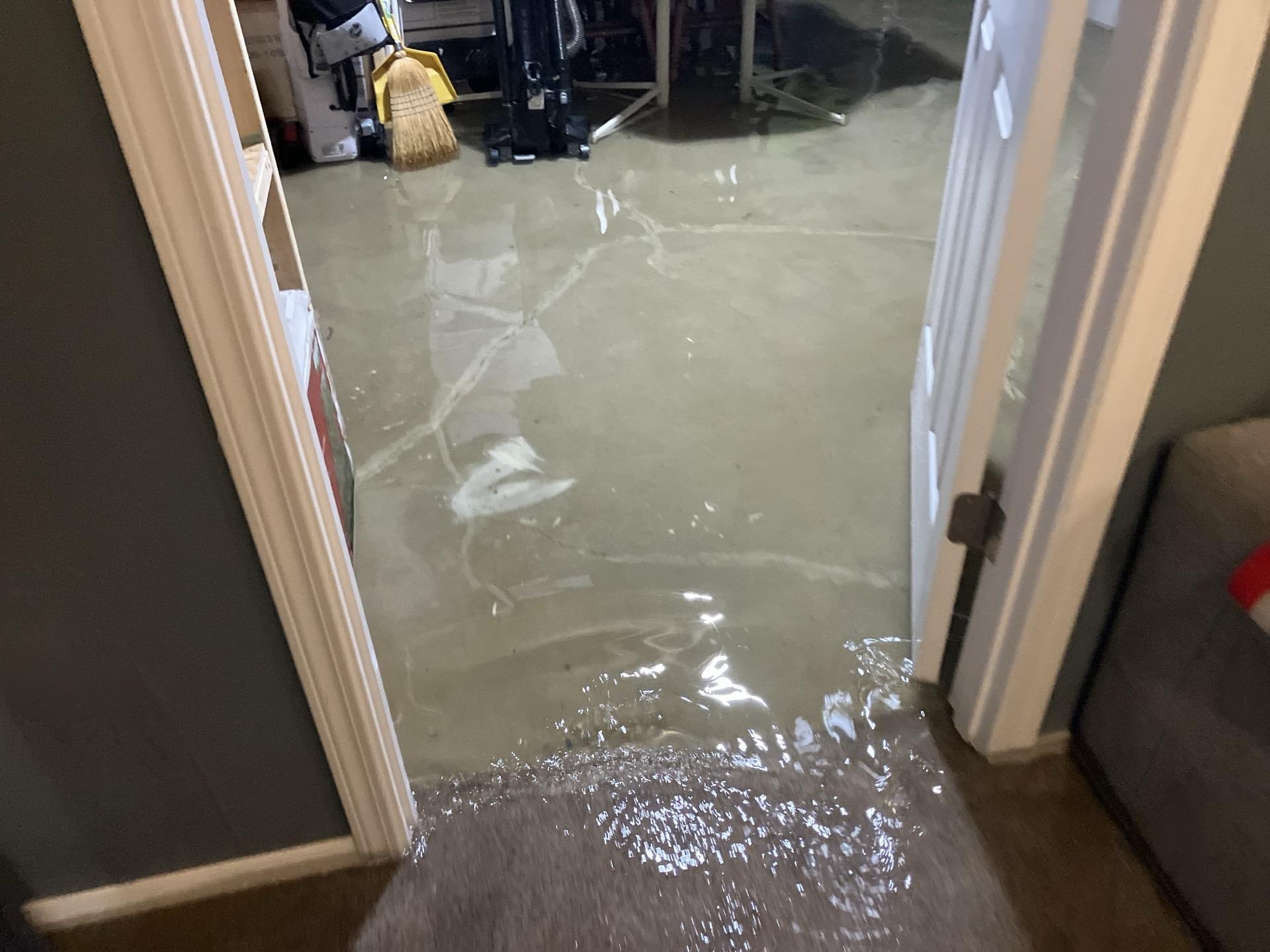
A standard sump pump doesn’t. Most primary pumps run on household electricity, so when the power goes out, the pump stops — even if the basin keeps filling. Groundwater and storm runoff don’t stop when the grid does. Once the water level in the basin rises past the rim, it can spill onto the basement floor.
How quickly that happens depends on how much water is entering the pit, which varies with the storm, the soil, the grading around your home and the height of the water table. In a heavy rain or a fast snowmelt, a basin can fill much faster than many homeowners expect.
What kinds of backup sump pumps are there?
There are two common approaches.
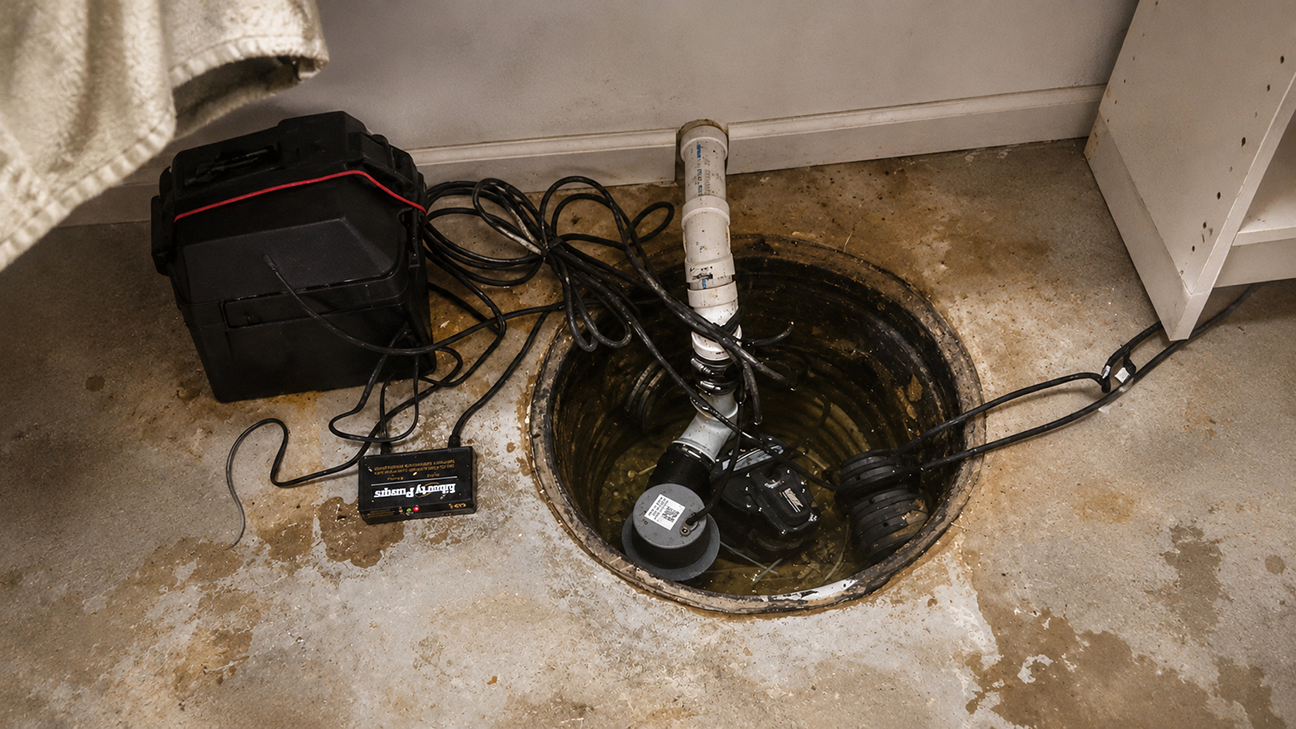
A battery backup pump is a second pump installed in the same basin, usually set a little higher than the primary, and connected to a deep-cycle battery. North Dakota State University (NDSU) Extension explains that a battery backup is designed to run only when the primary pump fails or can’t keep up — including during a power outage.
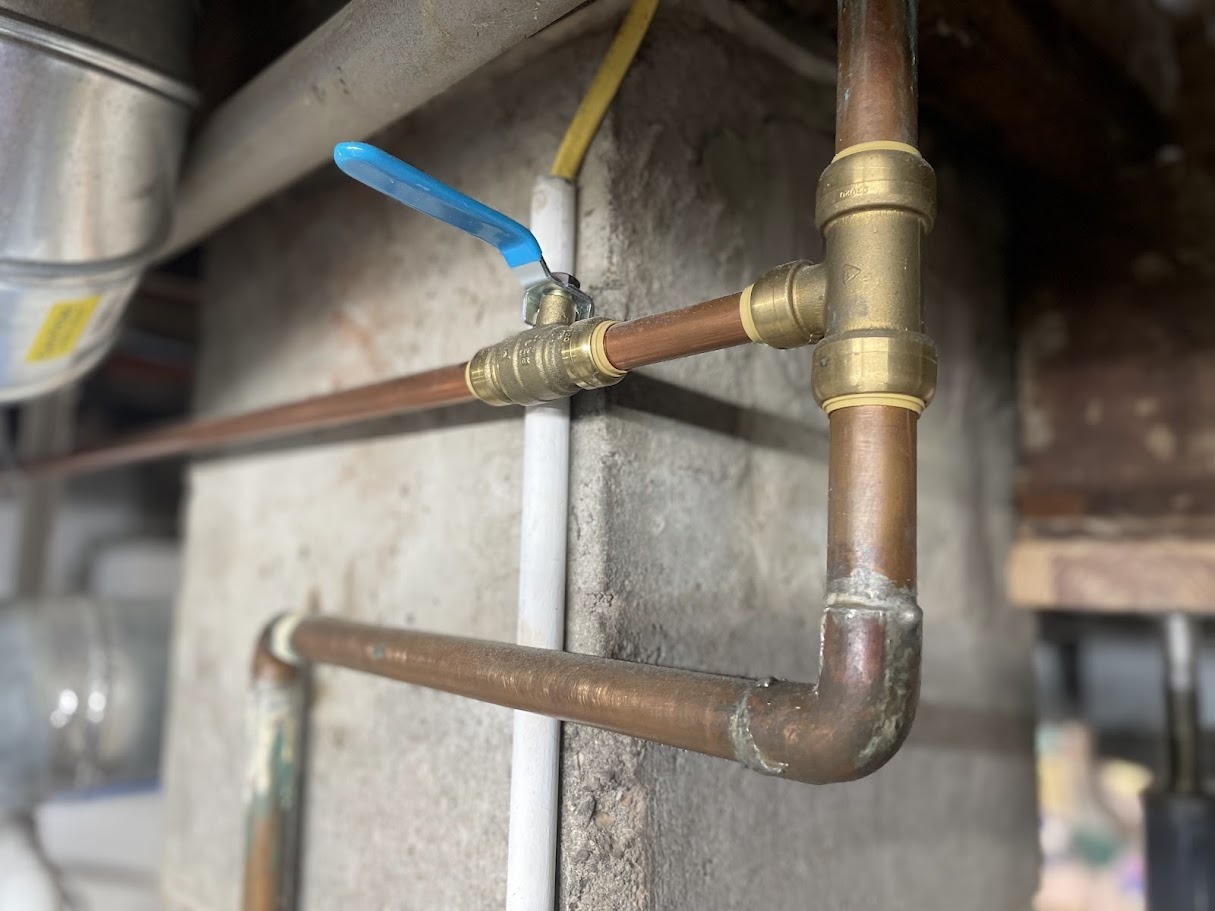
A water-powered backup pump uses pressure from your municipal water supply to move water out of the basin, with no electricity or battery needed. These typically require adequate city water pressure and a plumbing connection, and aren’t an option for every home. A licensed plumber can tell you whether one fits your setup.
Some homeowners also use a portable generator to keep the primary pump running. If you go that route, follow the manufacturer’s instructions, and never run a generator indoors, in a garage or near windows and doors.
How do I test my sump pump and backup?
Testing takes a few minutes and is worth doing in the fall and again before spring thaw. NDSU Extension recommends lifting the float to make sure the pump turns on — running it for about 10 seconds — or, better, slowly pouring water into the basin until the pump cycles on and off at least twice. That shows the float, switch and pump are all working together.
To test a battery backup, unplug the primary pump and add water so the backup has to turn on. Check that the battery is charged and the terminals are clean, and follow the manufacturer’s schedule for battery replacement.
What causes sump pumps to fail besides power outages?
Power is only one failure point. NDSU Extension points to stuck or tangled float switches and worn motor bearings as common problems. A clogged inlet screen or a basin full of debris can also starve the pump. Outside, a discharge line that’s frozen, crushed or blocked can send water right back toward the foundation. Make sure the discharge pipe is clear and that it releases water well away from the house, downhill if possible.
If your pump is noisy, runs constantly, cycles rapidly or won’t turn on during a test, call a plumber before the next storm.
What should I do if the power is out and the basin is filling?
Stay calm and stay safe. If water has already reached the basement floor near outlets, appliances or your electrical panel, don’t walk into it. Once it’s safe, move valuables and stored items up off the floor, and if you have a portable generator set up safely outdoors, it can power the primary pump.
If water gets onto the floor, call a water damage restoration company as soon as you can. The U.S. Environmental Protection Agency advises drying water-damaged areas and items within 24 to 48 hours to help prevent mold growth. Finished basements are especially vulnerable because water wicks into drywall, carpet pad and baseboards. Call Ram Restoration 24/7 at 888-609-6653 for extraction and drying. If you later notice signs of mold from a past basement water event, our sister company Ram Mold Pro can help.
Will insurance cover a basement flooded by a failed sump pump?
It depends on your policy. The Insurance Information Institute (Triple-I) notes that standard homeowners policies generally don’t cover water that backs up through sewers or drains unless you’ve added a backup endorsement, and that flood damage is excluded from standard policies. How a sump overflow is treated depends on your policy’s wording and any endorsements you carry. Every policy differs, so read yours and ask your agent whether you have sewer or water backup coverage and what it includes.
Why does this matter in the Dayton area?
Many homes across Dayton, Kettering, Centerville and Huber Heights have basements, and plenty of them are finished living space. Southwest Ohio also sees the kinds of storms that bring heavy precipitation and power outages together. Winter is part of that picture: in January 2026, the National Weather Service in Wilmington recorded 14.0 inches of snow in Dayton from one two-day storm, plus a daily record 1.00 inch of precipitation. When that much snow melts — sometimes alongside a warm, rainy spell — basins fill fast.
Fall is a good time to check your system: test the primary and the backup, clear the discharge line before it can freeze and confirm your coverage before winter storms arrive.
By the numbers:
- About 10 seconds: how long NDSU Extension suggests running a pump when testing it by lifting the float (NDSU Extension)
- At least two: on/off cycles to watch when testing a pump by adding water to the basin (NDSU Extension)
- 24 to 48 hours: the window EPA recommends for drying water-damaged areas and items to help prevent mold growth (U.S. EPA)
- 1.00 inch: Dayton’s record daily precipitation on Jan. 25, 2026, during a 14.0-inch snowstorm (National Weather Service Wilmington, Ohio)
Sources: North Dakota State University Extension, sump pump guidance (“Sump Pumps” and “Sump Pump Questions”); Insurance Information Institute, “Which disasters are covered by homeowners insurance?”; U.S. Environmental Protection Agency, “A Brief Guide to Mold, Moisture and Your Home”; National Weather Service Wilmington, Ohio, January 2026 winter storm summary
If your basement takes on water — power or no power — Ram Restoration is available 24/7 for water extraction and drying: 888-609-6653 or www.ramrestorationusa.com
Related reading
- What Should You Do in the First Hour After Your Basement Floods?
- Does Homeowners Insurance Cover Frozen and Burst Pipes?
- Why This Summer’s Heat Is Fueling Dayton’s Basement-Flooding Storms
- Residential restoration services