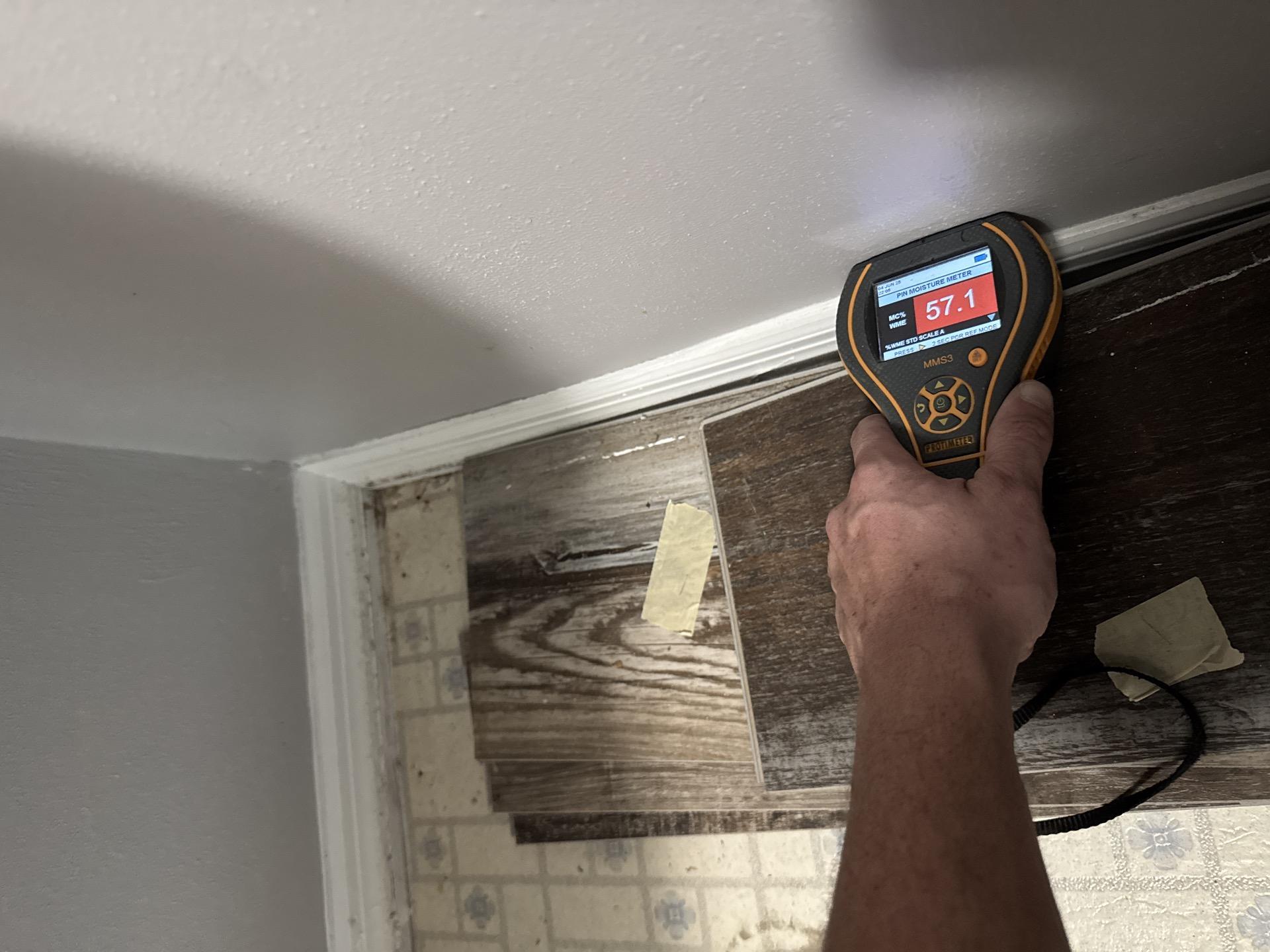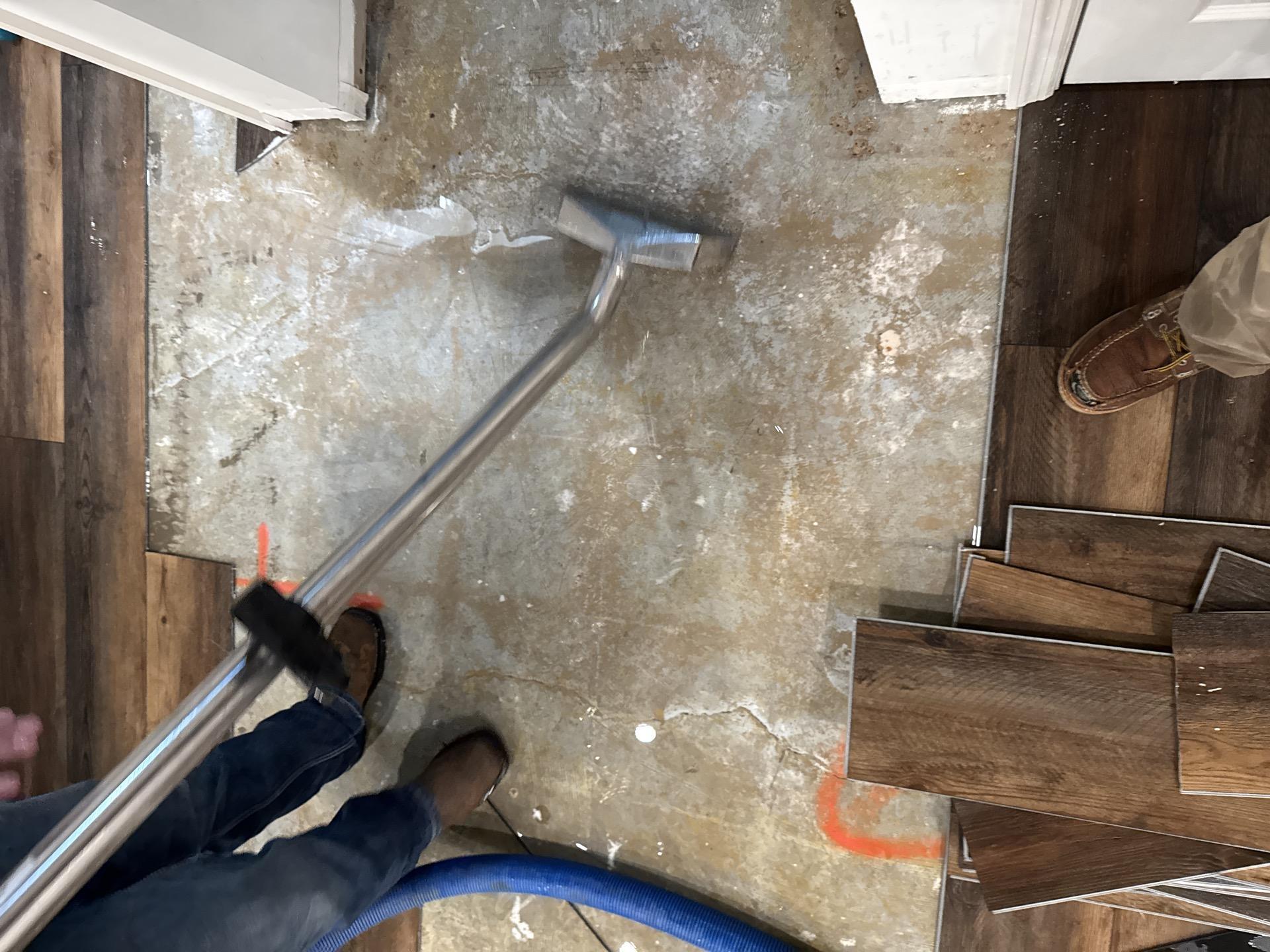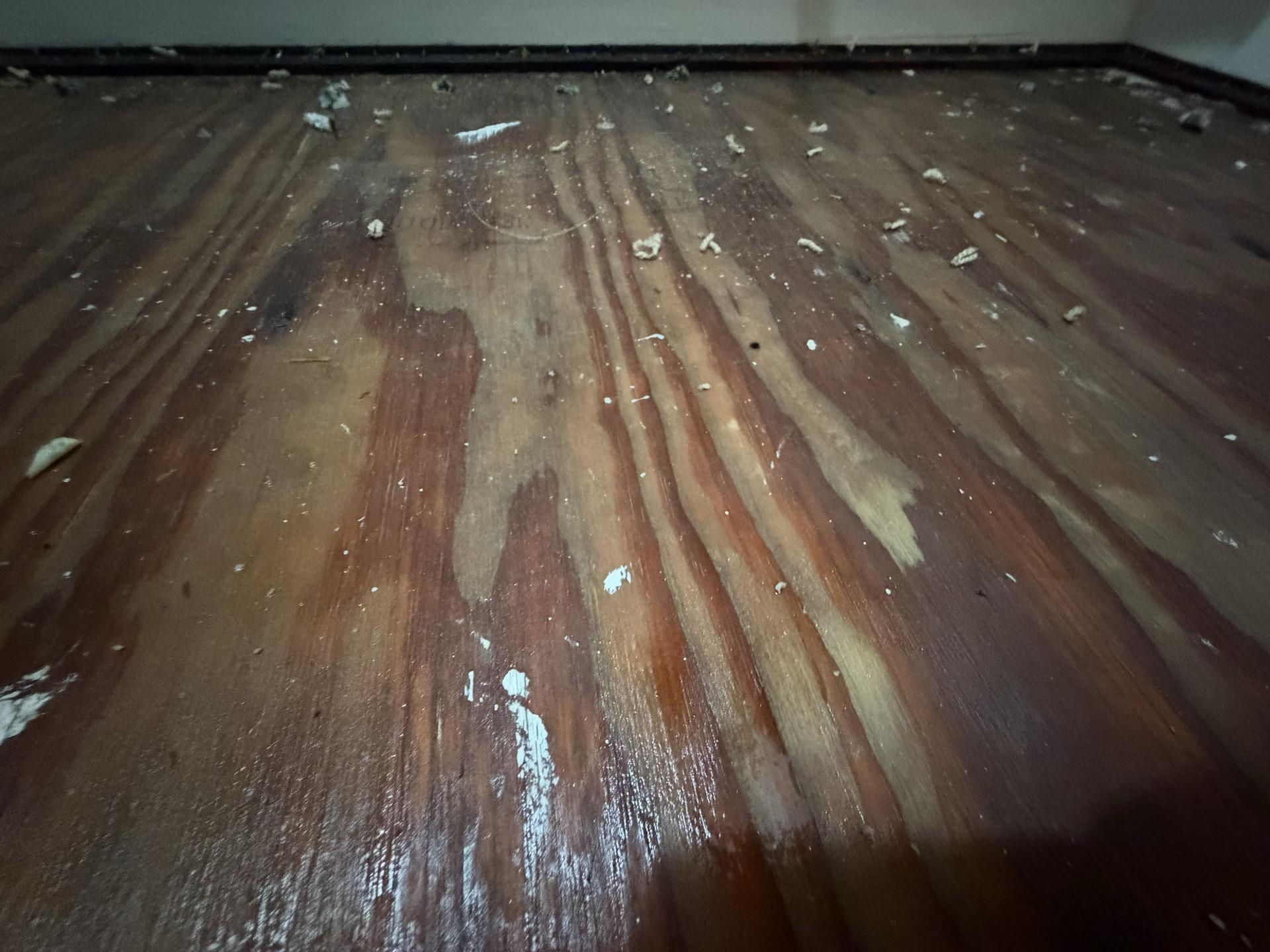
If there’s never been standing water in your basement, a musty smell can feel like a mystery. There’s no obvious leak, no visible puddle, nothing that looks like “water damage” in the way most people picture it. But smell is often the first real signal a basement gives off, and by late summer, after months of higher outdoor humidity working its way into the lowest, least-ventilated part of a house, that smell usually means moisture has already found a foothold somewhere you can’t see it.
Basements don’t need a flood to hold onto moisture. Concrete is porous, and below-grade walls and slabs stay in constant contact with damp soil. Add in warm, humid air from upstairs settling into a cooler space (a basement is often the coolest room in the house, which means it’s also where airborne moisture condenses first) and you get a slow, steady moisture load that never has a single dramatic event attached to it. The EPA’s own guidance on mold and moisture is direct about the stakes here: water-damaged materials need to dry within 24 to 48 hours to prevent mold growth, and indoor humidity should stay below 60 percent, ideally between 30 and 50 percent. A basement running warm and humid all summer can sit well outside that range for weeks without anyone noticing, simply because nothing ever looked wet.
That’s the real answer to “why does it smell like this without a flood”: the smell is the mold-adjacent byproduct of a humidity problem, not a water problem in the flood sense. Musty odor is typically off-gassing from microbial activity that thrives in that 60-percent-plus humidity zone, on cardboard, wood framing, drywall paper, or anything else porous enough to hold moisture. It doesn’t require a burst pipe or a storm. It just requires enough time in the wrong humidity range, which a Dayton summer provides in spades.
What this means practically is that a musty smell is worth treating as a real signal, not background noise. A basement dehumidifier that actually holds the space in that 30-to-50-percent range is doing real, measurable work, not just making the air feel less heavy. A persistent smell that doesn’t improve once humidity is under control is worth having assessed directly, since it usually points to a specific wet material somewhere in the space rather than general ambient dampness.
It’s also worth knowing how a job like this typically gets handled. Our restoration crews are frequently the first ones on-site for exactly this kind of call, since a musty basement usually starts as a moisture and materials question before anyone knows whether active mold growth is actually involved. If an assessment turns up conditions that call for specialized mold remediation, that work is handed to our sister company, Ram Mold Pro, so the right team is doing the right part of the job. You’re not stuck figuring out which company to call first.
If a basement has smelled “off” for a while and nothing about it has ever looked wet, that’s not nothing. It’s usually a humidity problem that’s been running quietly for longer than it should have.
By the numbers:
- Indoor relative humidity should stay below 60%, ideally between 30% and 50%, per EPA guidance on mold and moisture control.
- Water-damaged materials need to dry within 24 to 48 hours to prevent mold growth from taking hold, per the same EPA guidance.
- Roughly 1 in 60 insured U.S. homes files a water damage or freezing claim in a given year, with an average claim cost of $15,400 (2019-2023 average), per the Insurance Information Institute.
Sources: U.S. Environmental Protection Agency, “A Brief Guide to Mold, Moisture and Your Home”; Insurance Information Institute, “Facts + Statistics: Homeowners and Renters Insurance”
Call Ram Restoration to schedule a water damage assessment: 937-885-0088 or www.ramrestorationusa.com