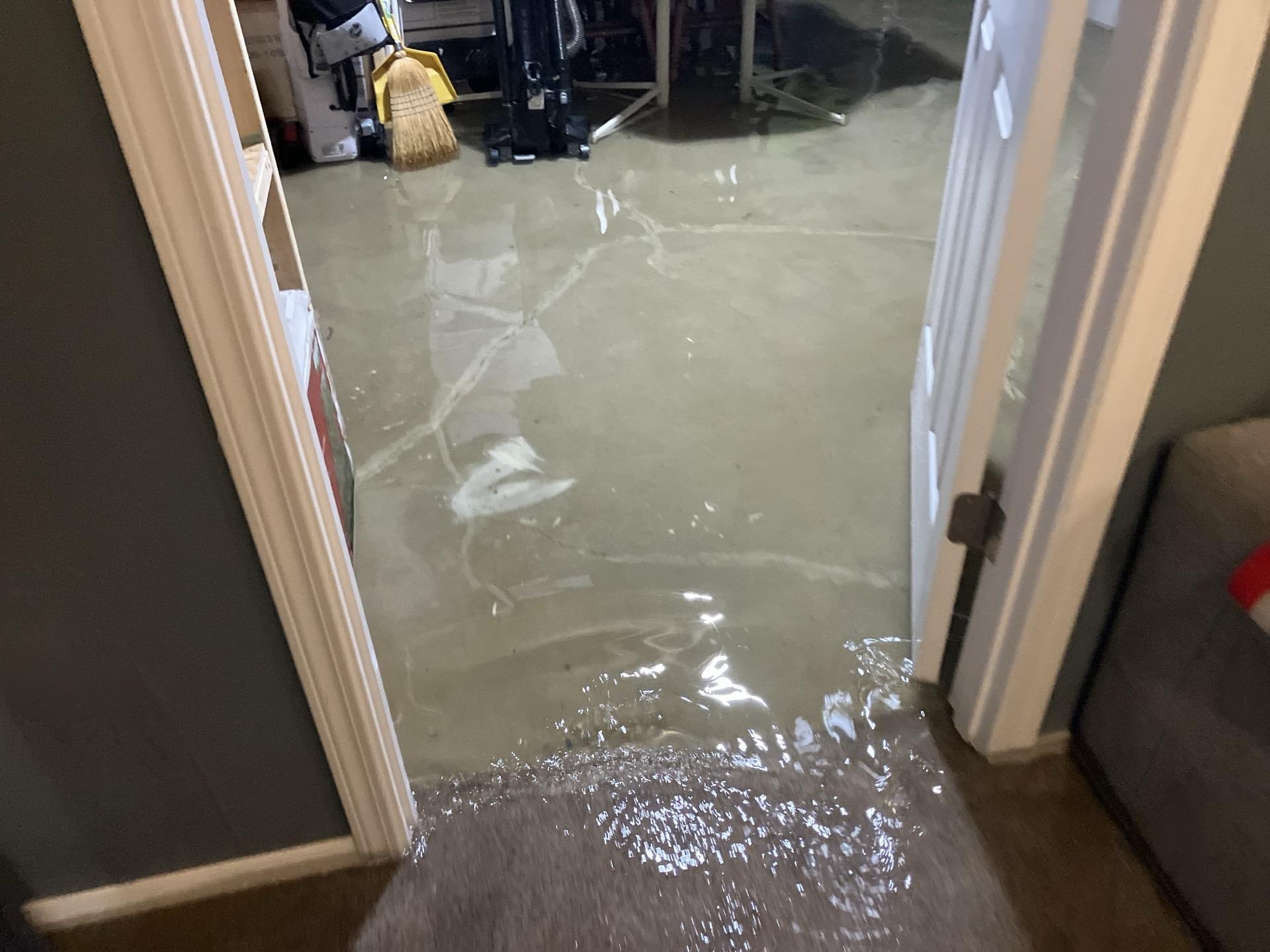
You hear it before you see it: a hiss behind a wall, a drip that turns into a stream, or water spreading across the basement floor. A burst pipe feels like an emergency because it is one — but it’s also one of the most manageable emergencies a homeowner can face, if you know the order of operations.
The first hour matters most. What you do in those minutes decides whether you’re dealing with a wet floor or a soaked subfloor, drywall and insulation. Here’s a calm, step-by-step plan for Dayton and Miami Valley homeowners, built on guidance from the American Red Cross, the Insurance Institute for Business & Home Safety (IBHS) and the Insurance Information Institute (Triple-I).
What is the very first thing to do when a pipe bursts?
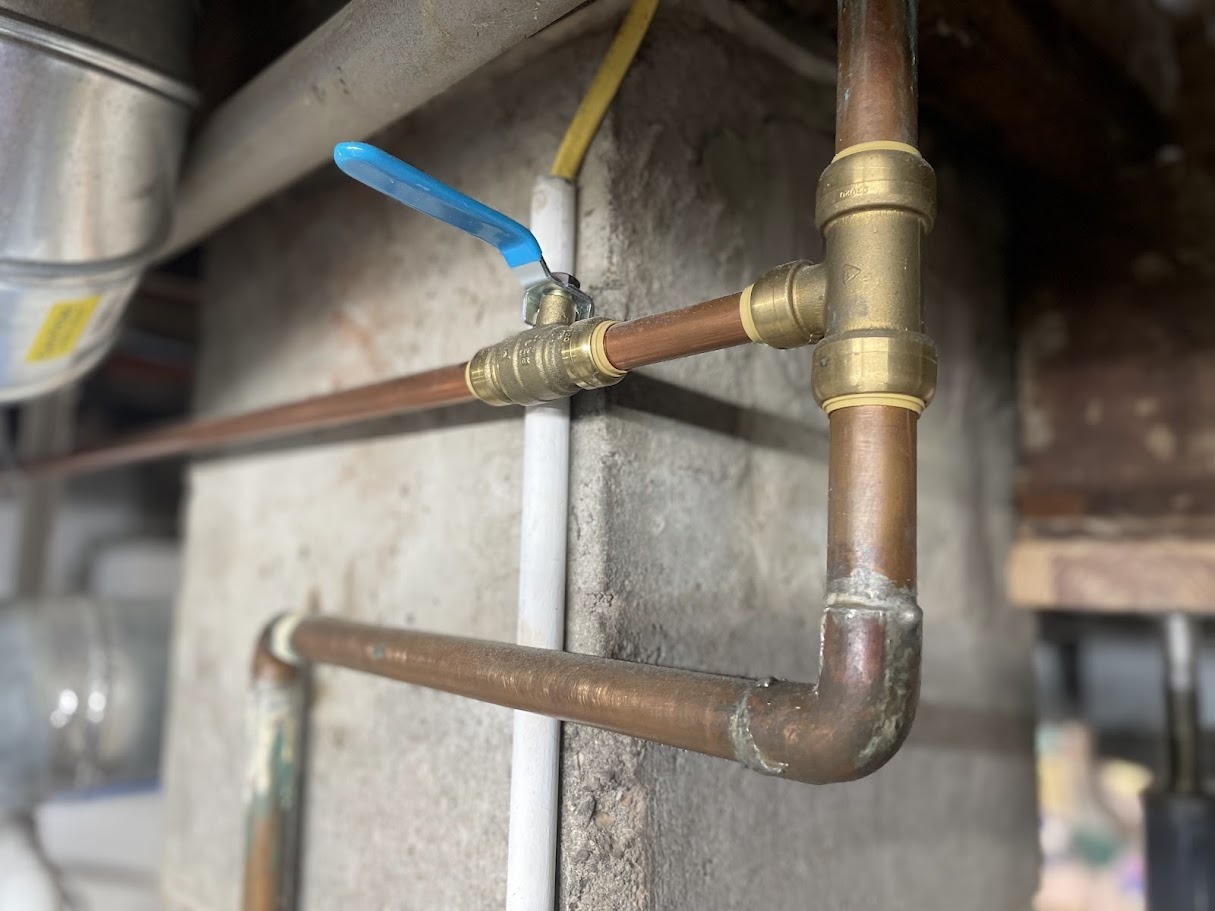
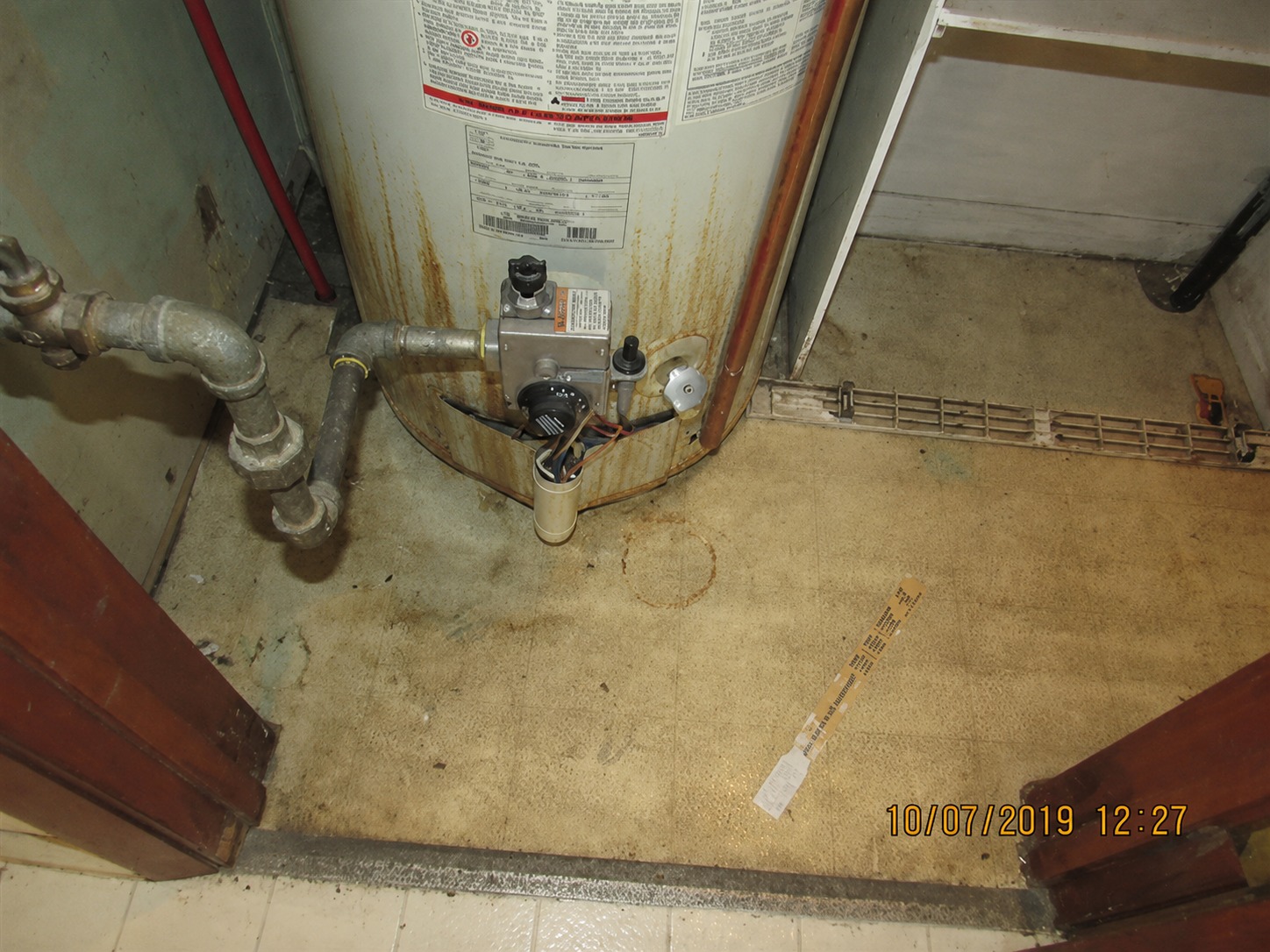
Shut off the water. Everything else can wait a few minutes; the water can’t. Your home’s main shutoff valve is usually where the water line enters the house — often in the basement on the front wall, in a utility room, near the water heater or, in some slab homes, in a closet or near the water meter. Turn a wheel-style valve clockwise until it stops. Turn a lever-style valve a quarter turn so the handle sits across the pipe.
IBHS recommends that every member of the household know where the main shutoff is and how to close it before an emergency happens. If you’ve never looked, take five minutes this week. Triple-I’s cold-weather guidance puts it the same way: if a pipe bursts, shut off the main water valve first, then start drying.
If the leak is at a single fixture — a toilet supply line or the line under a sink — the small shutoff valve right at that fixture may be enough. When in doubt, close the main.
Is it safe to walk into a flooded room?
Not always. Water and electricity are the real danger in the first hour. If water is near outlets, power strips, extension cords, appliances or your electrical panel, don’t step into it. If you can reach your breaker panel from a dry spot, shut off power to the affected area. If you can’t reach it safely, stay out and call an electrician or your utility. Never stand in water to work a breaker.
If the leak is coming through a ceiling, watch for sagging drywall. A bulge means water is pooling above it. Keep people and pets out from under it.
Should I open the faucets after I shut off the water?
Yes. Opening a faucet or two on the lowest level of the house helps drain the water still sitting in the lines, so less of it ends up on your floor. If the burst was caused by freezing, the American Red Cross notes that other pipes may also be frozen — a faucet that only trickles is a common sign. Don’t try to thaw pipes with an open flame or a torch. The Red Cross recommends safe heat sources like a hair dryer, a heating pad or warm towels, and calling a licensed plumber if you can’t find or reach the frozen section.
What should I document before cleanup starts?
Take photos and video before you move anything — the source of the leak, the standing water, damaged flooring, walls, ceilings and belongings. Wide shots first, then close-ups. Note the time you discovered the leak and when you shut off the water. That record helps your contractor understand how far the water traveled and helps when you talk with your insurance agent. Every policy is different, so call your agent or carrier to ask how they want the loss reported.
Then move what you can. Lift rugs, furniture legs, boxes and electronics off wet floors. Set wood furniture on aluminum foil or blocks so the legs don’t wick water or stain the carpet.
How fast does water damage get worse?
Faster than most people expect. Water doesn’t stay where it lands. It wicks up drywall, soaks into carpet pad, runs along subfloor seams and settles into wall cavities you can’t see. The U.S. Environmental Protection Agency advises drying water-damaged areas and items within 24 to 48 hours to help prevent mold growth. That window is why the first hour is about stopping the water, and the next calls are about getting professional drying equipment in place.
Towels, a shop vac and box fans help with surface water. They usually can’t dry the inside of a wall cavity or the pad under carpet. Professional water mitigation uses moisture meters to find hidden water and commercial dehumidifiers and air movers to dry structural materials to safe levels.
Who should I call first: a plumber or a restoration company?
Often both, and the order depends on what’s happening. If the water is off and the damage is limited to the fixture area, a plumber can make the repair during business hours. For plumbing repair, Ram Restoration’s sister company Restoration Plumbing can be reached during business hours at 937-883-6633 for service in the Dayton area.
If water has reached floors, walls, ceilings, carpet or a finished basement, call a water damage restoration company right away — day or night. Call Ram Restoration 24/7 at 937-885-0088 and we can start extraction and drying while the plumbing repair is scheduled. If you later spot mold from a past leak, our sister company Ram Mold Pro can help.
Why are burst pipes so common in the Dayton area?
Southwest Ohio winters swing hard. Long stretches of mild weather can give way to a deep freeze in a day or two, and those cold snaps catch homeowners off guard. Last winter was a reminder: the National Weather Service in Wilmington recorded 14.0 inches of snow in Dayton from the Jan. 24–25, 2026, storm, including 12.4 inches on Jan. 25 alone — a daily record that topped the 12.2 inches recorded on Jan. 26, 1978.
Pipes in unheated basements, crawl spaces, attics and garages, in kitchen and bathroom cabinets, and along exterior walls are the most exposed, according to the Red Cross. Many older homes in Dayton, Kettering, Oakwood and Beavercreek have plumbing in exactly those spots. IBHS adds that homes built before 2010 typically don’t have frostproof outdoor faucets, which makes the hose bib another weak point.
How can I lower the odds of a burst pipe this winter?
The Red Cross and IBHS both recommend keeping your thermostat at 55°F or higher, even when you’re away, and keeping it at the same temperature day and night during a cold snap. Open kitchen and bathroom cabinet doors so warm air reaches the pipes, let a cold-water faucet drip when temperatures plunge, disconnect garden hoses and insulate pipes in unheated spaces. If you’ll be away for more than a week in subfreezing weather, IBHS suggests closing the main valve and draining the lines by opening the lowest faucets.
By the numbers:
- 55°F: the minimum thermostat setting the American Red Cross and IBHS recommend during cold weather, even when you’re away (American Red Cross; IBHS)
- 24 to 48 hours: the window EPA recommends for drying water-damaged areas and items to help prevent mold growth (U.S. EPA)
- About 1.5: water damage and freezing claims per 100 insured house-years, 2019–2023 (Insurance Information Institute)
- About $15,400: the average homeowners water damage and freezing claim, 2019–2023 (Insurance Information Institute)
- 12.4 inches: Dayton’s record daily snowfall on Jan. 25, 2026 (National Weather Service Wilmington, Ohio)
Sources: American Red Cross, “Preventing & Thawing Frozen Pipes”; Insurance Institute for Business & Home Safety, “IBHS Winter Ready guides provide steps property owners can take now to avoid costly damage when freezing temps arrive”; Insurance Information Institute, “The homeowner’s severe cold weather survival guide” and “Facts + Statistics: Homeowners and renters insurance”; U.S. Environmental Protection Agency, “A Brief Guide to Mold, Moisture and Your Home”; National Weather Service Wilmington, Ohio, January 2026 winter storm summary
Water off, power safe, photos taken? Then make the call. Ram Restoration is available 24/7 for water extraction and drying: 937-885-0088 or www.ramrestorationusa.com
Related reading
- Does Homeowners Insurance Cover Frozen and Burst Pipes?
- What Should You Do in the First Hour After Your Basement Floods?
- Do You Actually Know Where Your Water Shutoff Valves Are? Here’s Why Those 30 Seconds Matter
- Residential restoration services