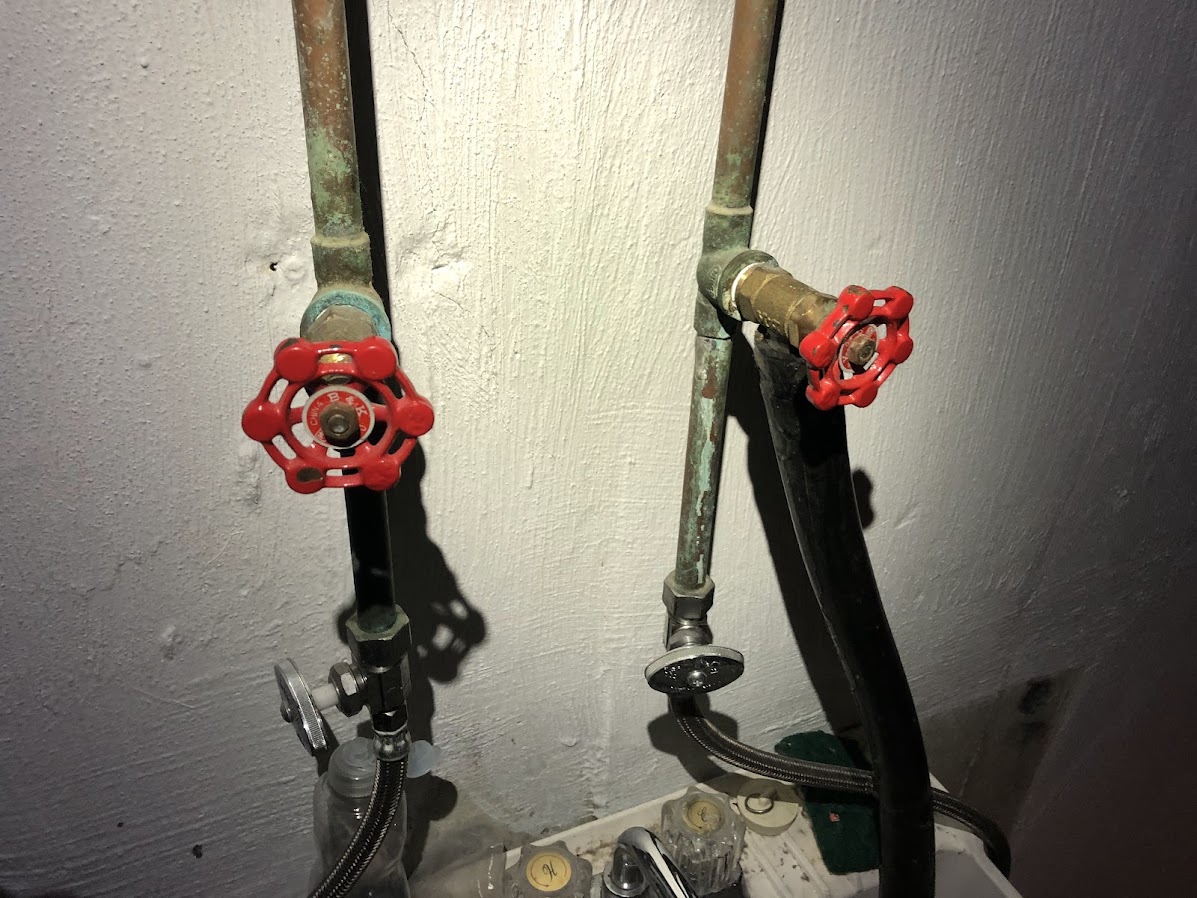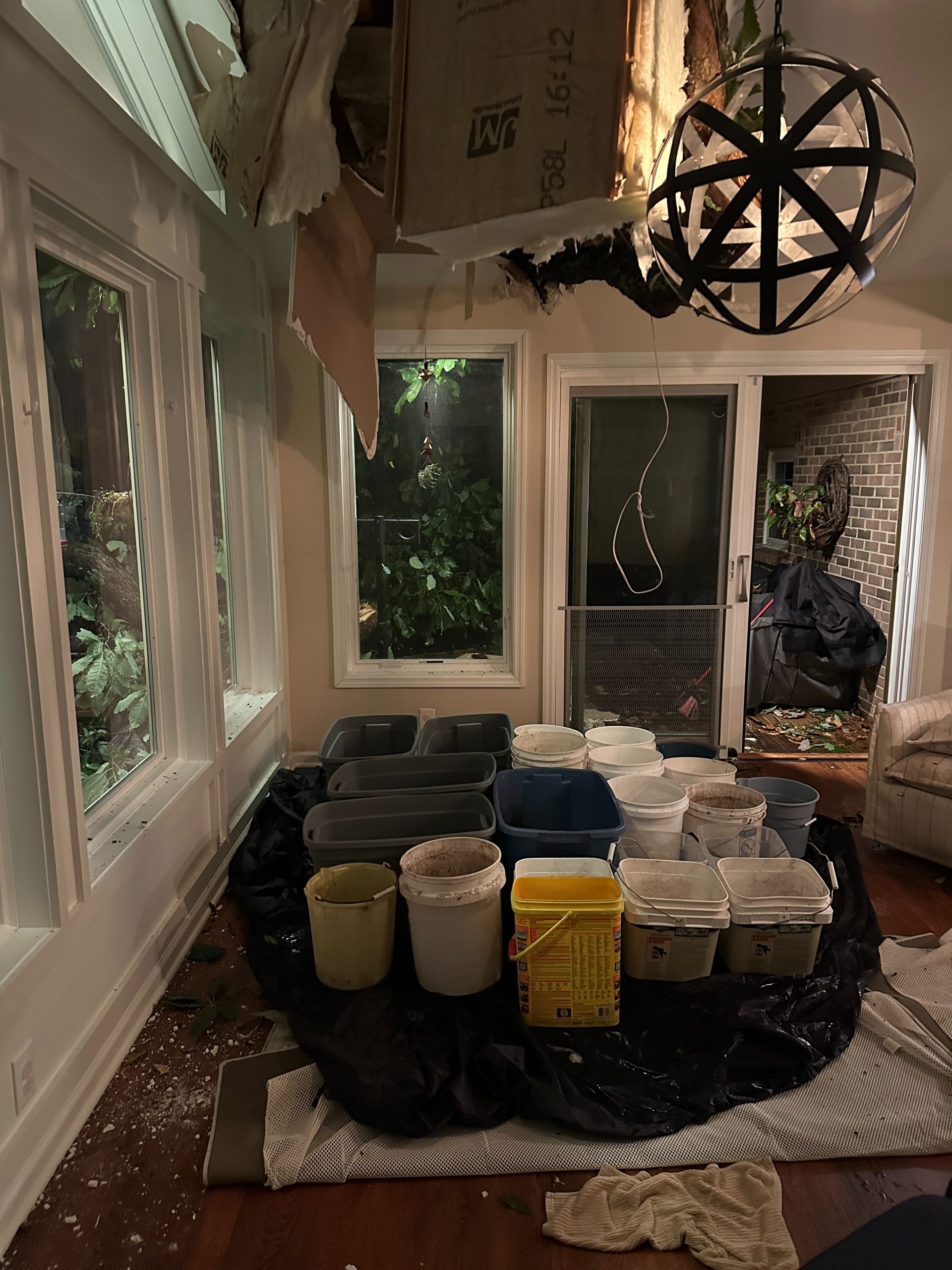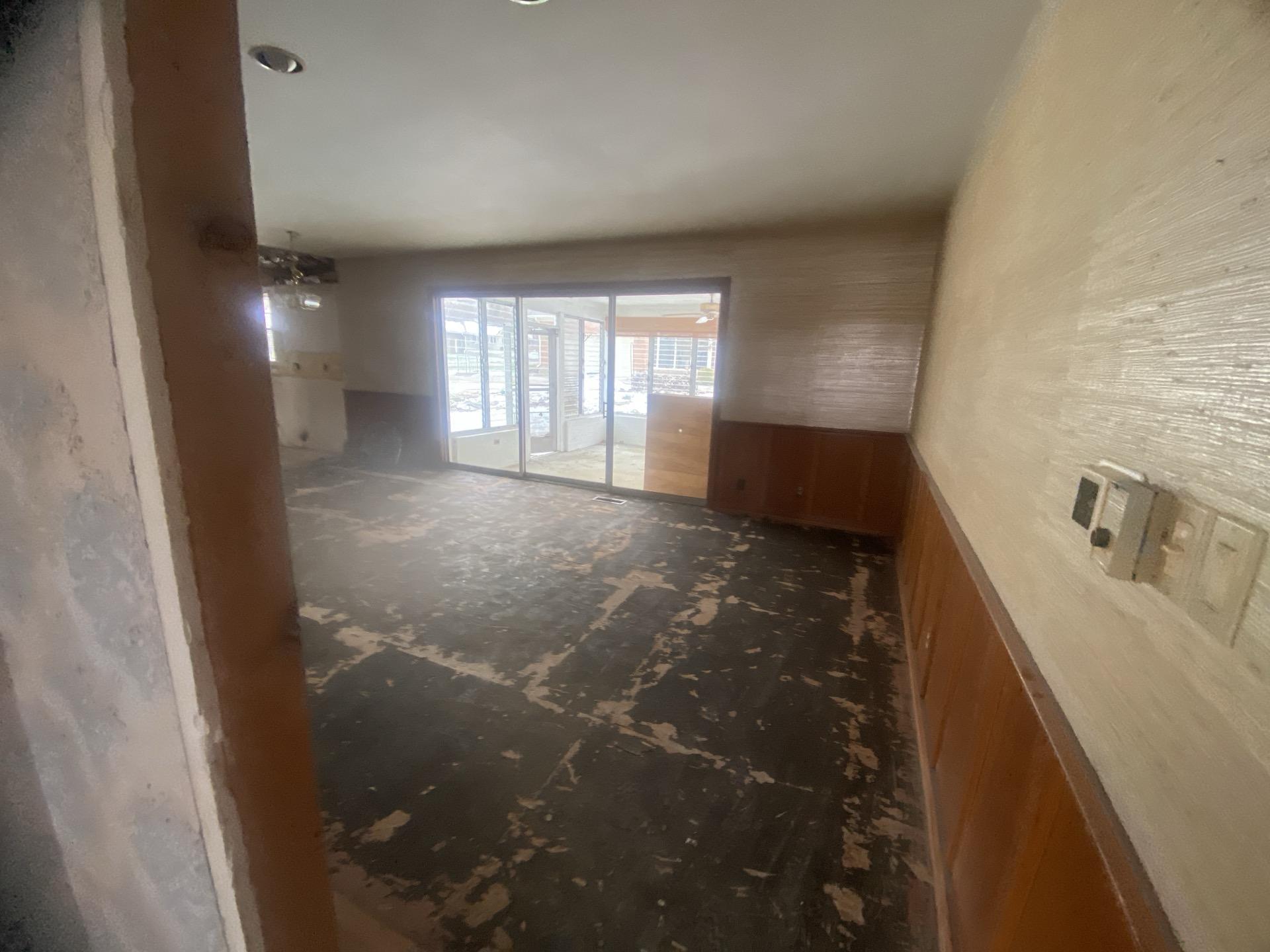
A room like the one pictured can be confusing to walk into. The subfloor is exposed, the flooring is gone, and to someone who saw the room a few days earlier, none of it looked bad enough to justify this. The explanation usually comes down to what was underneath, not what was on top.
Flooring and the padding or underlayment beneath it can look presentable on the surface while holding onto water that never had a real chance to evaporate. EPA guidance on handling water-damaged materials draws a clear line for exactly this reason: carpet and padding that have been wet for a limited window can often be dried in place, while cellulose and fiberglass insulation, and materials that stayed wet too long, are generally treated as remove-and-replace rather than dry-in-place. That decision isn’t based on how a floor looks from a normal walkthrough, it’s based on measured moisture and how long the material was actually wet.
This matters because leaving a flooring assembly in place when it should have come out doesn’t just risk a future odor or a soft spot, it risks moisture staying trapped exactly where it’s hardest to monitor going forward. Removing it, while it can look more dramatic in the moment, is often the decision that actually shortens the overall timeline.
For anyone looking at a stripped-down room after a recent water event, the practical takeaway is that this step is a sign the assessment was thorough, not a sign something went wrong. What comes out is usually what needed to.
By the numbers:
- The EPA’s water damage guidance for cleanup and mold prevention treats carpet and padding as candidates for drying in place only within a limited early window; beyond that, removal is the standard recommendation.
- Cellulose and fiberglass insulation are consistently recommended for discard and replacement after water exposure rather than drying in place, according to the same EPA guidance.
- Whether a material is dried in place or removed is a moisture-and-time decision, not a visual one, which is why two similar-looking floors can end up on different paths.
Source: U.S. EPA, “Water Damage Table” (Mold Prevention in Mold Remediation in Schools and Commercial Buildings)
Call Ram Restoration to schedule a water damage assessment: 937-885-0088 or www.ramrestorationusa.com