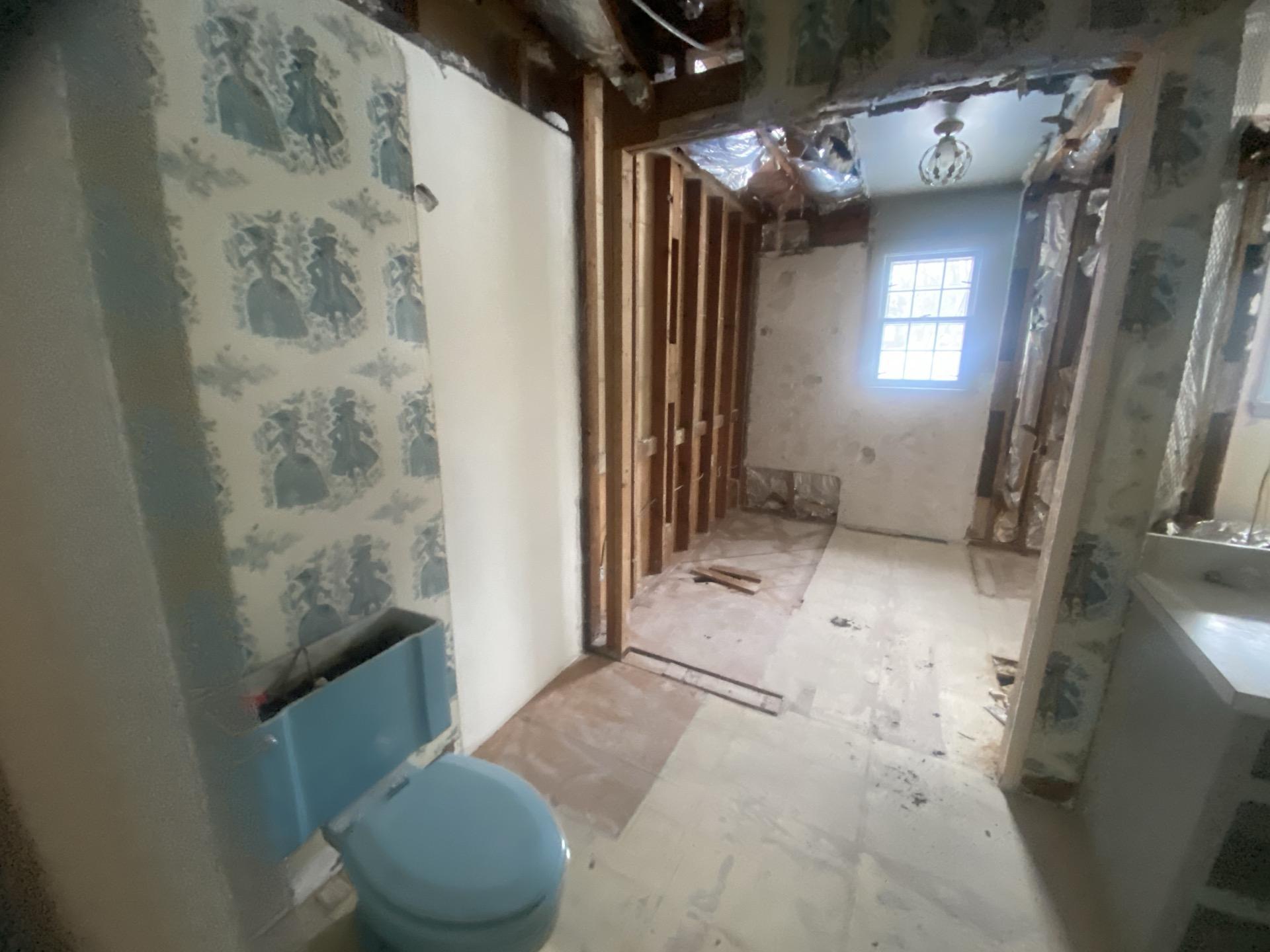
“24/7 emergency response” is on nearly every restoration company’s website, ours included, but the phrase itself doesn’t tell a homeowner much. What actually happens in the hours right after a pipe bursts, a storm drives a tree through a roof, or a supply line fails matters more than the marketing language promising someone will show up. The first 24 hours determine, more than any other single window, whether a water event stays a contained repair or turns into a much larger reconstruction project.
Why does the first 24 hours matter more than later decisions?
Because water damage isn’t static, and the materials affected by it change state the longer they stay wet. A joint EPA and OSHA guide on disaster and flood cleanup is direct about this: damp or wet building materials and furnishings should be removed, cleaned, or dried within 24 to 48 hours to prevent mold growth, and porous materials that have been wet longer than 48 hours are generally best removed and replaced rather than dried in place. That’s not a marketing timeline, it’s closer to the actual biological and material-science reality of how quickly a wet, organic surface becomes hospitable to mold. Every hour between the water event and a professional response is an hour working against that window, not a neutral delay.
What should actually happen when the call comes in, beyond “someone shows up”?
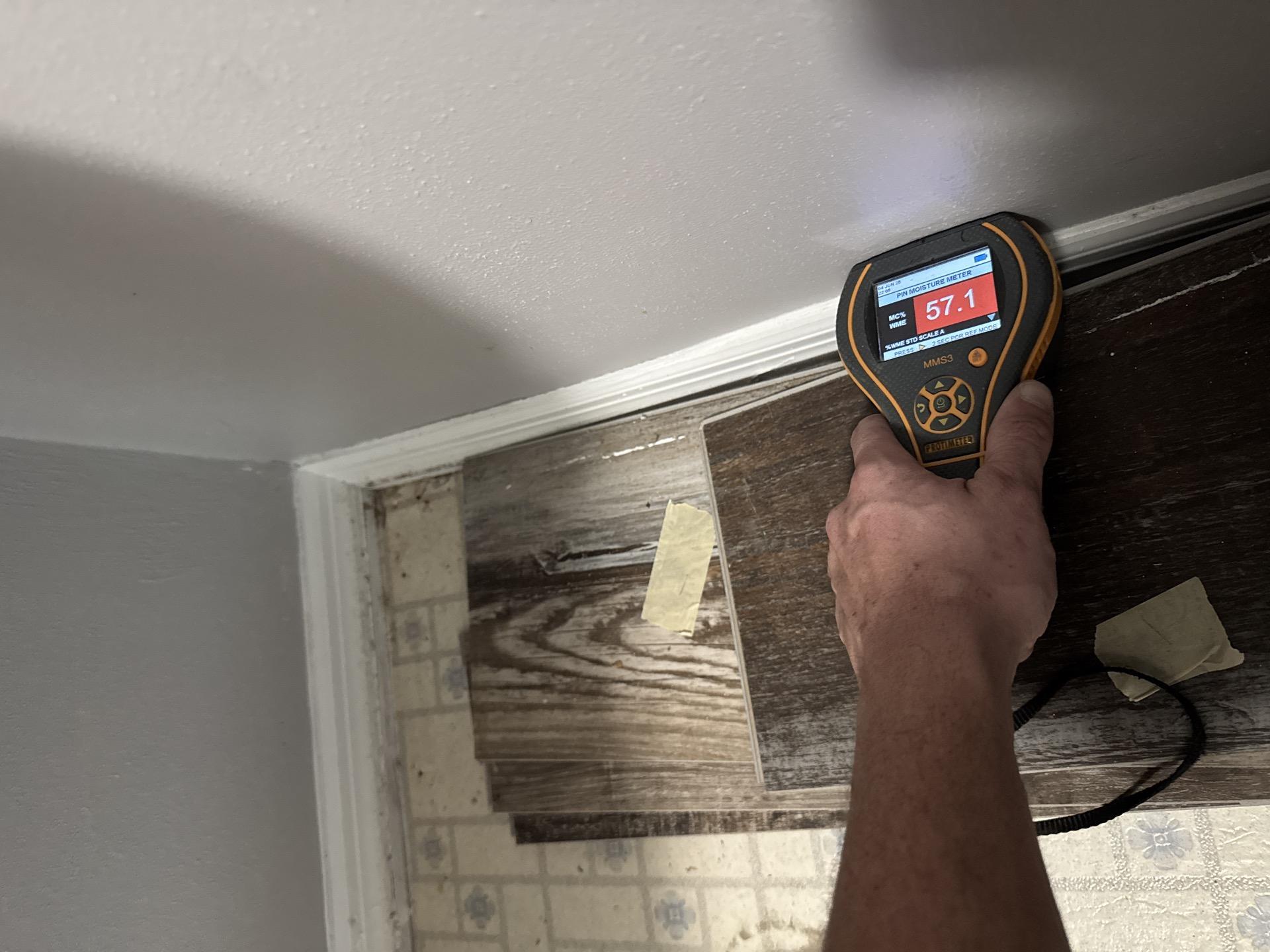
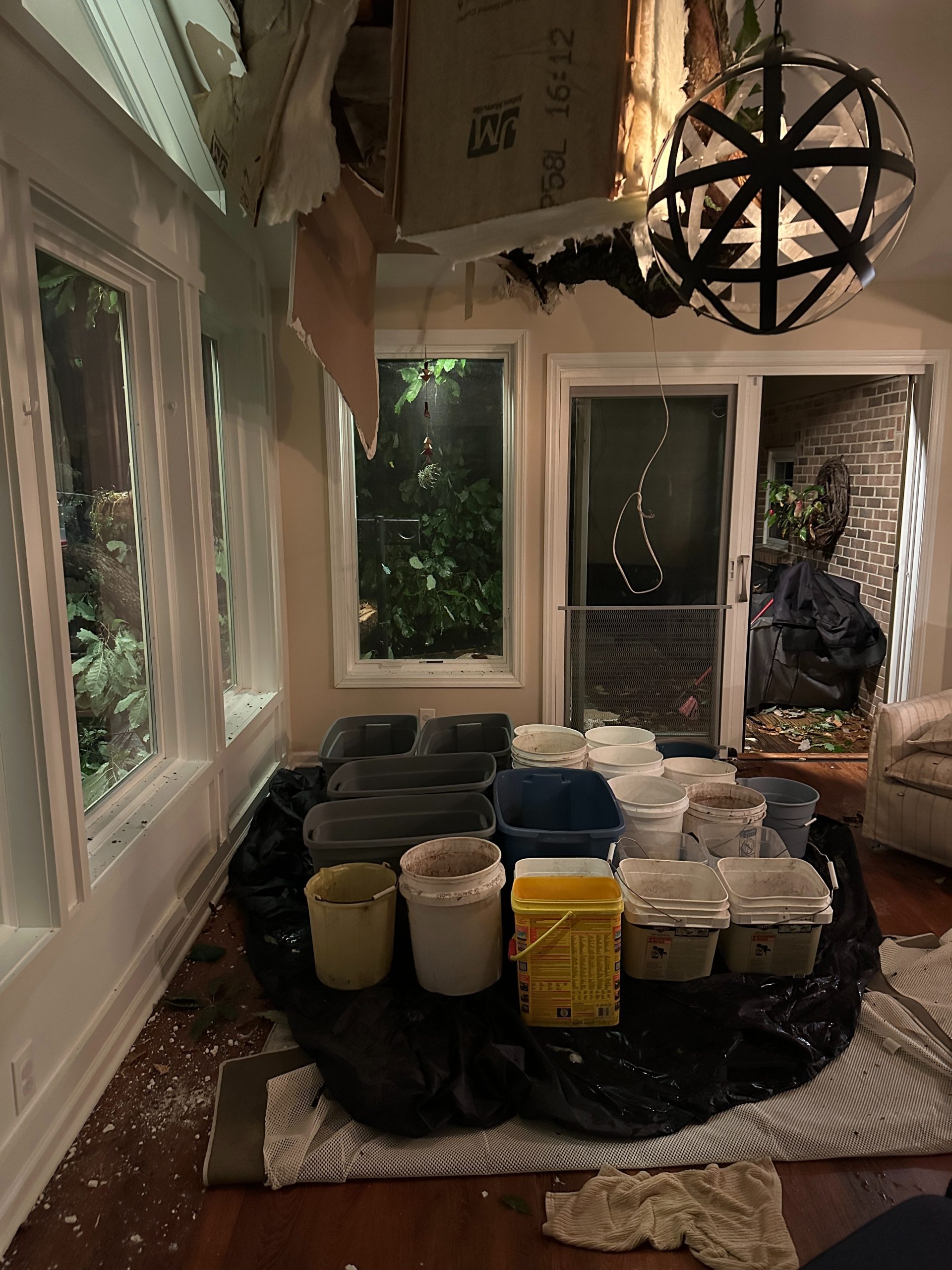
A useful response has a few distinct parts, not just a truck arriving. First, a real assessment of the water source and whether it’s still active, since stopping ongoing water intrusion always comes before addressing what’s already happened. Second, safety screening, checking for electrical hazards in affected areas, structural concerns like the kind of ceiling damage pictured here, and contamination level, since a category of water matters for how a crew protects both the property and themselves. Third, extraction of standing water and initial documentation, photos and moisture readings, before anything gets moved or cleaned up. A response that skips straight to “start drying” without these steps is skipping real parts of the job, not just moving faster.
Does response speed actually change the outcome, or is that mostly marketing?
It’s a fair question, since every major restoration company advertises fast response as a selling point. The honest answer is that speed matters because of the materials-science timeline above, not because of an arbitrary number of hours a company chooses to advertise. A response in hour one versus hour twelve is a meaningfully different starting point for how much material can be saved, because the affected materials have had that much more time to absorb moisture and move further into the 24-to-48-hour risk window. What matters isn’t which specific response-time number a company promises, it’s whether that speed is actually translating into materials getting dried before they cross into “needs replacement” territory.
What does “safety screening” actually involve on a real job?
It’s worth being specific here, because this is where an inexperienced response can create a second problem on top of the first. Water and electricity are a real combination hazard, and any water event near outlets, fixtures, or panels needs an electrical safety check before extraction equipment goes into standing water. Structural concerns, like a compromised ceiling or a section of subfloor that’s taken on significant weight from saturated insulation above it (the kind of scenario pictured here, where a tree limb came through the roof and brought ceiling material down with it), need to be assessed before crews are working underneath or around them. This isn’t overcautious process for its own sake, it’s the difference between one incident and two.
How does documentation in the first 24 hours actually help later?
This is the part that’s easy to underestimate in the moment, since nobody’s thinking about their insurance claim while water is actively spreading. Photo and moisture-meter documentation captured at the very start, before extraction and demolition change what the space looks like, is what an adjuster and a restoration company both rely on later to establish the original extent of damage. Documentation captured after the fact, reconstructed from memory or taken once cleanup is already underway, is a weaker record and can leave gaps that turn into disputes. A response that documents as it goes, not as an afterthought, is protecting the claim from hour one.
What should a homeowner actually expect, and what should they ask?
Expect a real assessment before a sales pitch, safety screening before equipment goes into the affected area, and documentation happening in parallel with the initial response, not after. It’s reasonable to ask what specifically is happening in the first visit beyond “we’ll start drying,” since a company that can describe its actual first-hour process in specific terms is a different proposition than one that leans entirely on a response-time number. The first 24 hours are largely out of a homeowner’s control once the event has happened, the meaningful decision is who’s handling that window and how.
By the numbers:
- Damp or wet building materials and furnishings should be removed, cleaned, and/or dried within 24 to 48 hours to prevent mold growth, per a joint EPA/OSHA guide on disaster and flood cleanup.
- Porous materials that have been wet for more than 48 hours are generally best removed and replaced rather than dried in place, per the same guidance.
- Roughly 1 in 60 insured U.S. homes files a water damage or freezing claim in a given year, with an average claim cost of $15,400 (2019-2023 average), per the Insurance Information Institute — a cost curve that moves in the wrong direction the longer a response is delayed.
Sources: U.S. Environmental Protection Agency and Occupational Safety and Health Administration, joint guide on mold and disaster/flood cleanup; Insurance Information Institute, “Facts + Statistics: Homeowners and Renters Insurance”
Call Ram Restoration for 24/7 water damage response: 937-885-0088 or www.ramrestorationusa.com