
Why Does My Basement Still Smell Musty in Late Summer, Even Without a Flood?
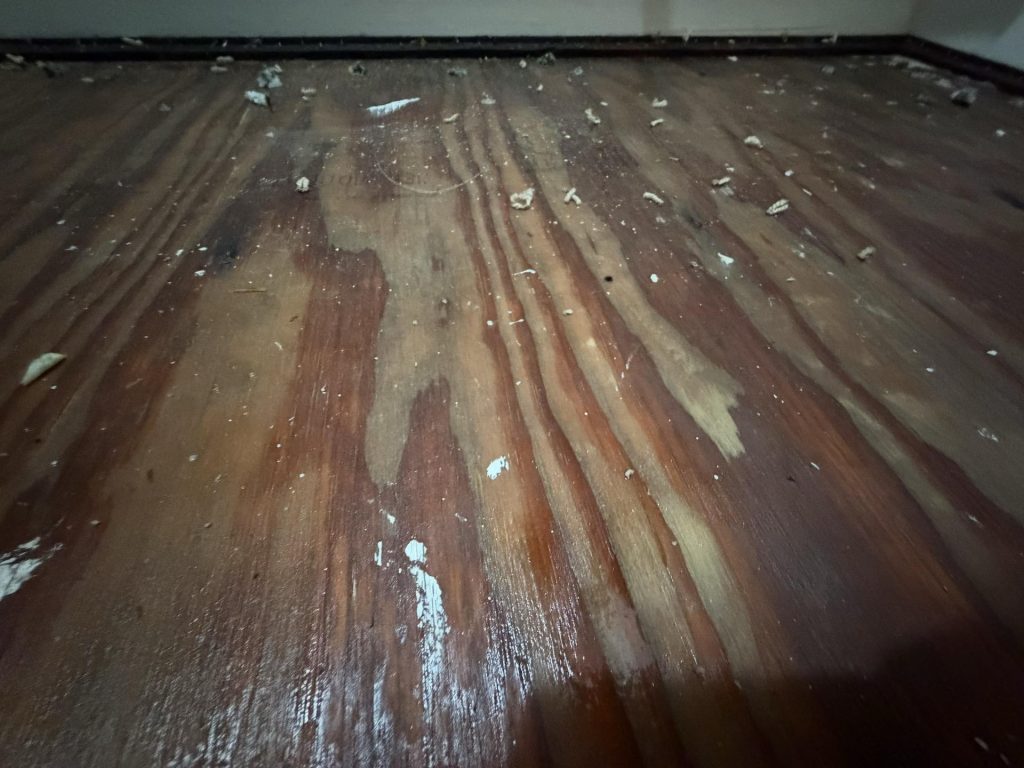
No flood, no leak, but the basement still smells musty? Here’s what that smell actually means, and why it usually comes down to humidity, not a single event.
What Does That Number On The Moisture Meter Actually Mean?

A moisture meter reading only means something once you know what it’s being compared against. Here’s how restoration crews read the number.
The Standing Water Is Gone. Why Is The Drying Equipment Still Running?

Extraction and drying aren’t the same step. Here’s why the equipment stays running well after the standing water is already gone.
Why Do Contractors Sometimes Pull Up Flooring That Looks Fine?

Removing flooring that looks fine can seem drastic, until you understand what a moisture reading, not a visual check, is actually telling the crew.
Why Does Water Damage Show Up At The Baseboard Before Anywhere Else?

Baseboards often show water damage before the rest of the room does. Here’s why the low edges tell the story first.
What Happens To A Room After The Water Damage Restoration Equipment Leaves?

Drying finished doesn’t mean the job is finished. Here’s what has to happen between equipment removal and rebuilding a water-damaged room.
How Do Restoration Crews Actually Know When A Water-Damaged Area Is Dry?

A dry-looking wall isn’t the same as a dry wall. Here’s how moisture meters and documented readings tell the real story after water damage.
Commercial Water Damage: What to Do, What to Expect, and Why the Clock Matters
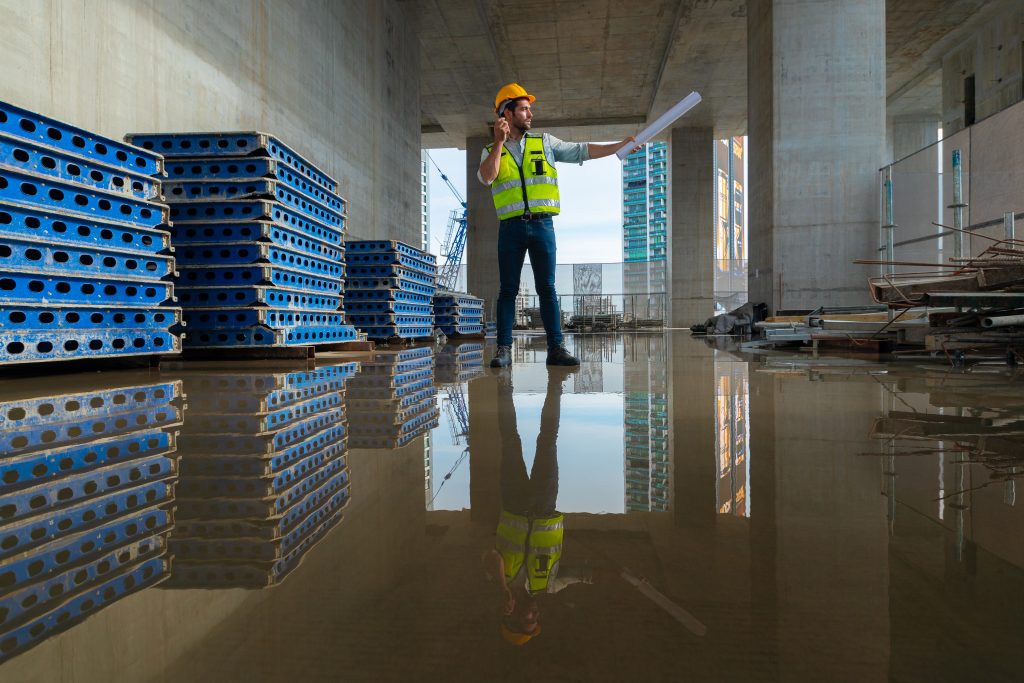
A burst pipe in a commercial building hits differently than one in a home. At home, you’re dealing with damaged belongings and disrupted routines. In a commercial space, you’re also dealing with business interruption, liability, employee safety, and in many cases, a landlord or building owner who needs to be in the loop. The pressure […]