Business interruption insurance is one of the most misunderstood lines of commercial coverage, and the confusion usually surfaces at the worst possible time, right after a loss, when a business owner assumes it will cover lost income from any event that shuts the doors. Sometimes it does. Sometimes it doesn’t, and the gap between those two outcomes usually comes down to one specific, often overlooked exclusion.
What does business interruption coverage actually pay for?
According to the National Association of Insurance Commissioners, business interruption insurance helps businesses protect against monetary losses from periods of suspended operations following a covered event, such as a fire. It’s designed to reimburse lost revenue the business would have earned had it stayed open, and to cover fixed expenses that don’t stop just because operations did, including rent or lease payments, relocation costs if the business has to operate from a temporary location, employee wages, taxes, and loan payments. In principle, it’s built exactly for a scenario like a commercial property closing its doors after storm or fire damage.
So where does the gap actually appear?
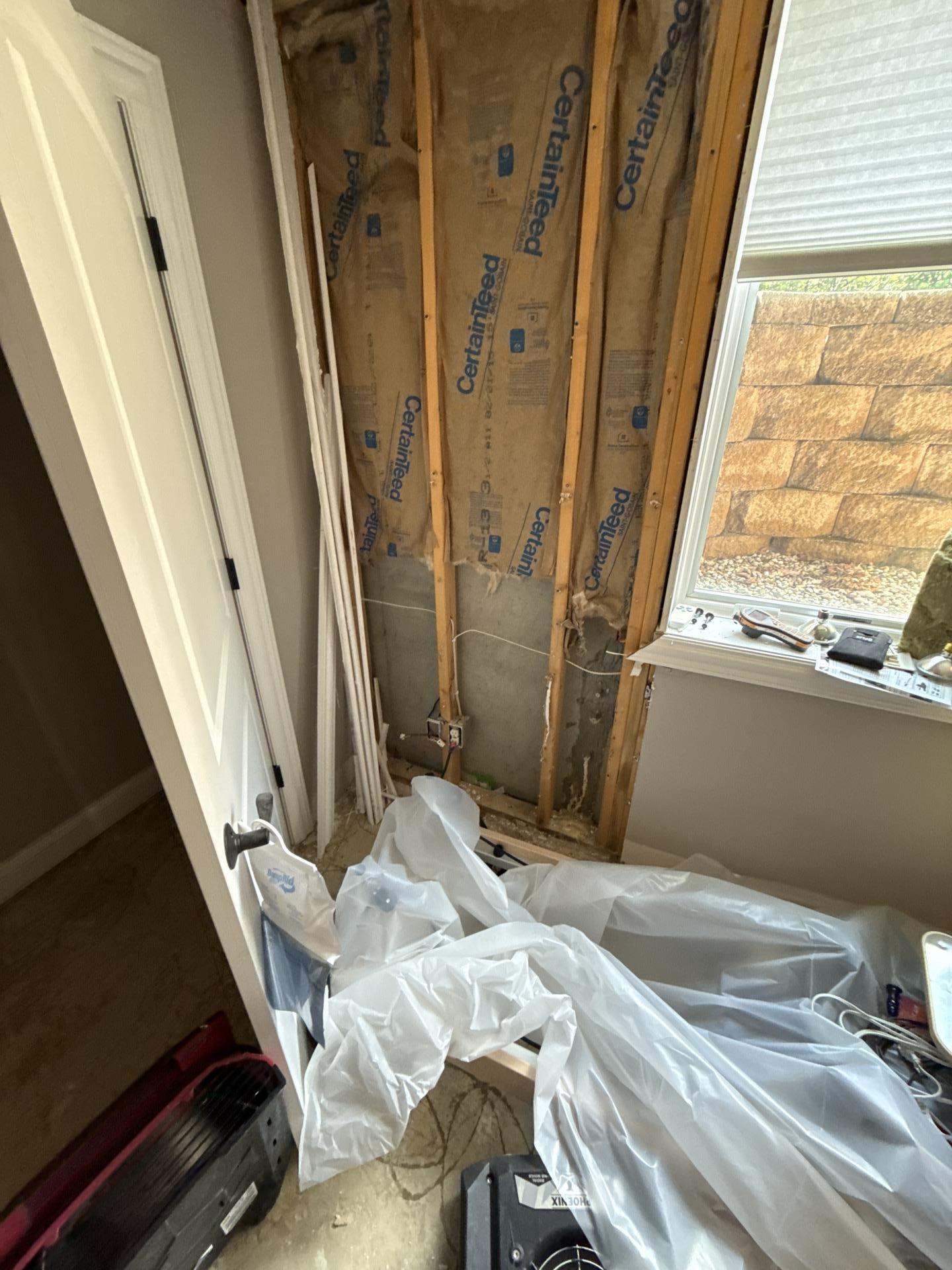
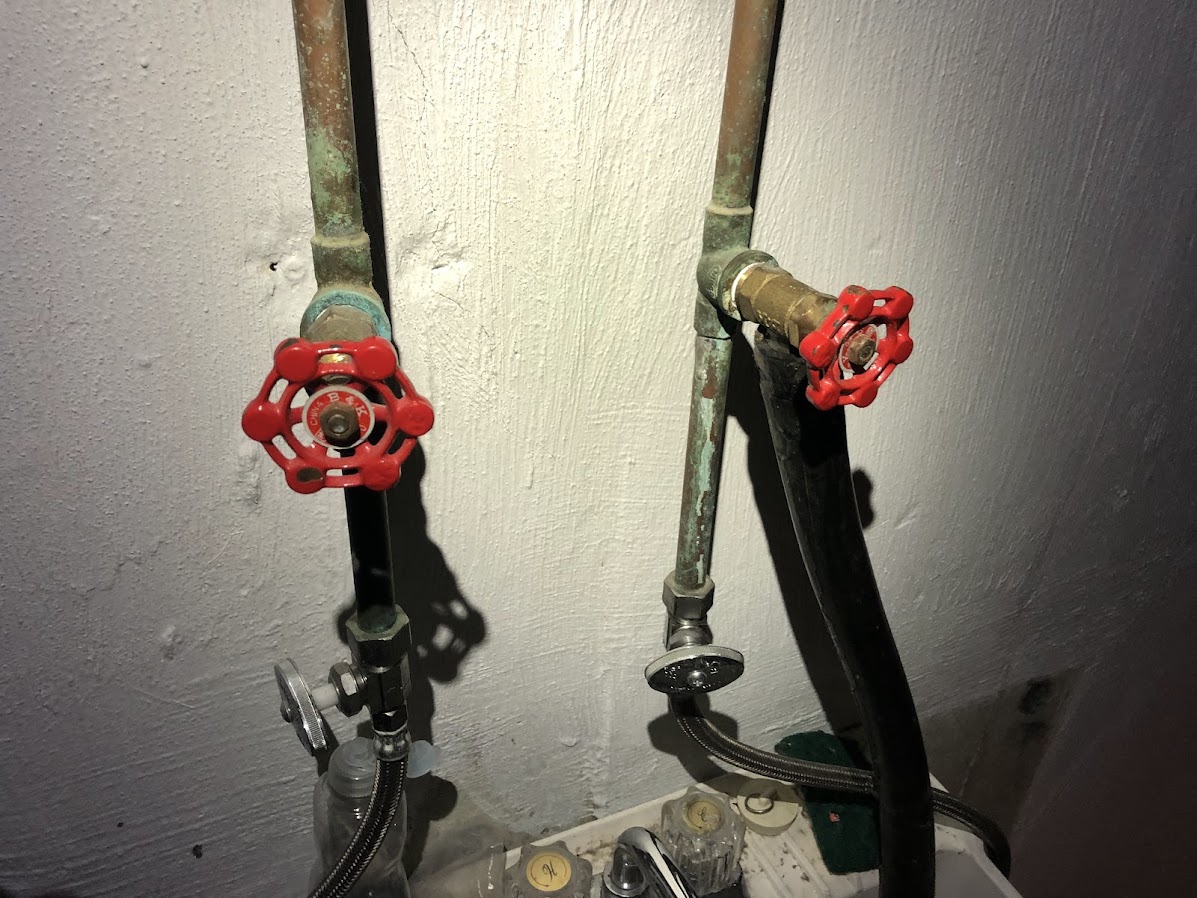
Flooding. The NAIC is explicit that business interruption policies generally do not cover damages or losses from flooding, earthquakes, and mudslides without additional, separately purchased coverage. That’s a critical distinction for exactly the kind of event this industry deals with constantly, because “water damage” and “flood damage” are treated very differently on a commercial policy. A pipe failure, a roof leak, or a supply-line break inside the building is typically a covered peril under a standard commercial property and business interruption policy. Water that enters from outside as part of a flood event is a different category entirely, and it’s the category most commonly excluded unless the business specifically added flood coverage in advance.
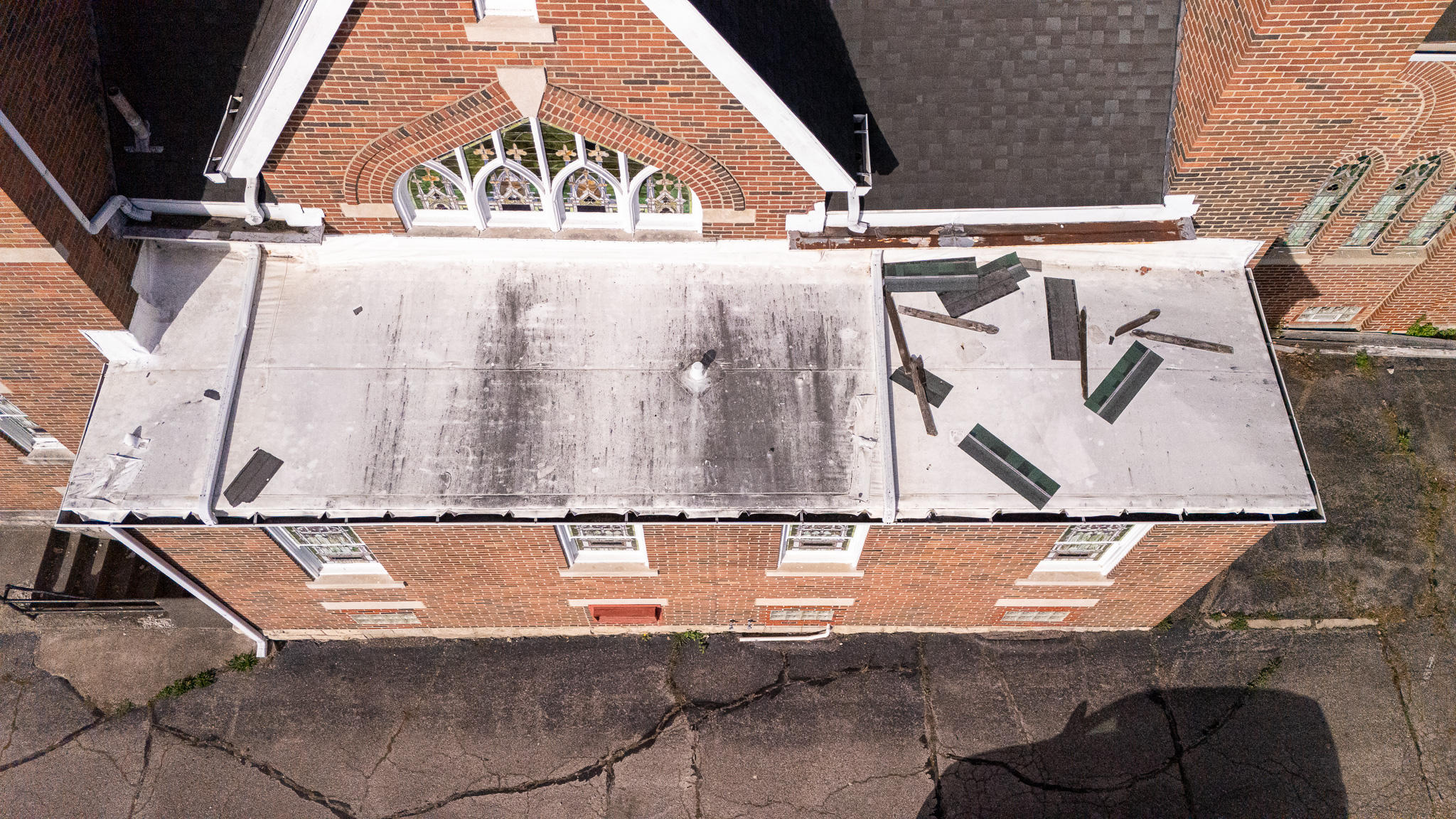
What about storm damage like the roof shown here?
Wind-driven storm damage to a roof, missing shingles, structural compromise, debris intrusion, generally falls on the covered side of the line rather than the flood exclusion, since the direct cause of loss is wind and impact rather than rising water. But storm events routinely create both problems at once: wind damages the roof, and then rain enters through that damage over the following hours or days. At that point, the sequence of causation starts to matter for a claim, which is exactly why documentation of the original storm damage, timestamped and thorough, before any secondary water intrusion compounds it, matters as much for the insurance claim as it does for the restoration plan itself.
Does civil authority coverage change any of this?
It can, in a specific and limited scenario. Civil authority coverage may apply when a government entity prohibits access to a business’s premises, provided there’s physical damage nearby caused by a covered peril. This matters for institutional and commercial properties in dense areas, where storm damage to a neighboring structure or to shared infrastructure can trigger an access restriction even if the policyholder’s own building wasn’t directly damaged. It’s a narrower form of business interruption coverage, and it depends heavily on the specific circumstances and the covered-peril requirement still applying.
How common is it for businesses to even carry this coverage?
Less common than most owners assume. It’s estimated that between 30 and 40 percent of small business owners carry business interruption insurance at all, according to the NAIC, which means a majority of small businesses facing a closure-causing event have no coverage for lost income regardless of what caused the closure. That gap is worth knowing before an event happens, not during the claims process, since adding business interruption coverage, and confirming whether flood coverage needs to be added alongside it, is a conversation to have with an insurance agent proactively rather than reactively.
What can a business actually do about this before a loss ever happens?
Three things, none of which require waiting for an event to force the question. First, confirm directly with an insurance agent whether the business’s current policy includes business interruption coverage at all, since the NAIC’s estimate that only 30 to 40 percent of small businesses carry it means the honest answer for many owners is simply “we checked and we don’t have it.” Second, if interruption coverage exists, confirm specifically whether flood is included or excluded, since that’s the single most common gap and the one most likely to surface at the worst possible time. Third, keep a basic, current record of what a covered closure would actually cost in lost revenue and ongoing fixed expenses, since that figure is what determines whether the coverage limits in place are adequate or badly undersized. None of this prevents a storm or a water event from happening. It just means the insurance question gets answered on a calm afternoon instead of during a closure.
What does this mean once a loss has already happened?
At that point, the coverage question is largely fixed, but the claim outcome isn’t. Thorough, timestamped documentation of what caused the loss, wind versus water, storm versus flood, structural versus cosmetic, is what actually determines how a claim gets adjudicated when the cause isn’t perfectly clean-cut, which is common in a storm event that damages a roof and lets water in afterward. A restoration team that documents as standard practice from the first hour on-site, rather than reconstructing the sequence of events afterward, is protecting that claim as much as it’s protecting the building itself.
By the numbers:
- Business interruption insurance generally does not cover losses from flooding, earthquakes, or mudslides without additional coverage, per the National Association of Insurance Commissioners.
- An estimated 30 to 40 percent of small business owners carry business interruption insurance, per the same NAIC guidance.
- The U.S. experienced 27 separate weather and climate disasters in 2024 that each caused at least $1 billion in damage, totaling $182.7 billion, according to NOAA’s National Centers for Environmental Information.
Sources: National Association of Insurance Commissioners, “Business Interruption and Business Owner Policy”; NOAA National Centers for Environmental Information, “Assessing the U.S. Climate in 2024”
Call Ram Restoration to schedule a commercial storm or water damage assessment: 937-885-0088 or www.ramrestorationusa.com