
Why Are They Cutting Into My Walls? Understanding Flood Cuts and Controlled Demolition
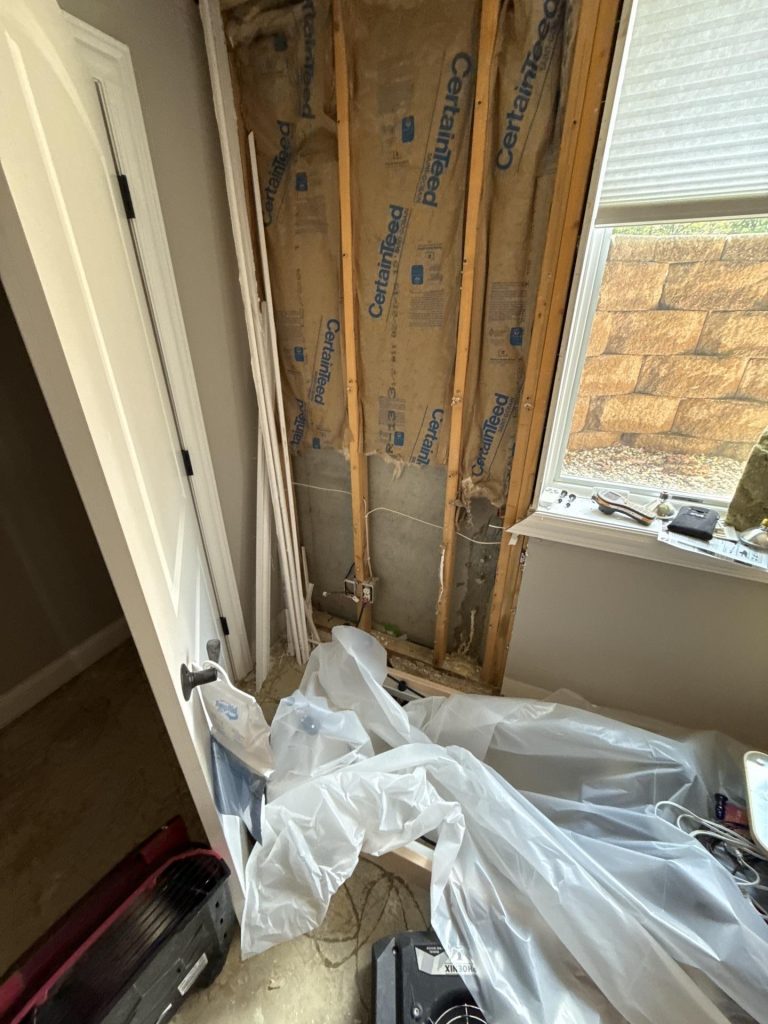
Watching a crew cut into drywall that looks fine can feel like extra damage. Here’s why flood cuts are deliberate, standards-informed decisions, not overcutting, and why the water’s category changes how the work gets done.
Do You Actually Know Where Your Water Shutoff Valves Are? Here’s Why Those 30 Seconds Matter
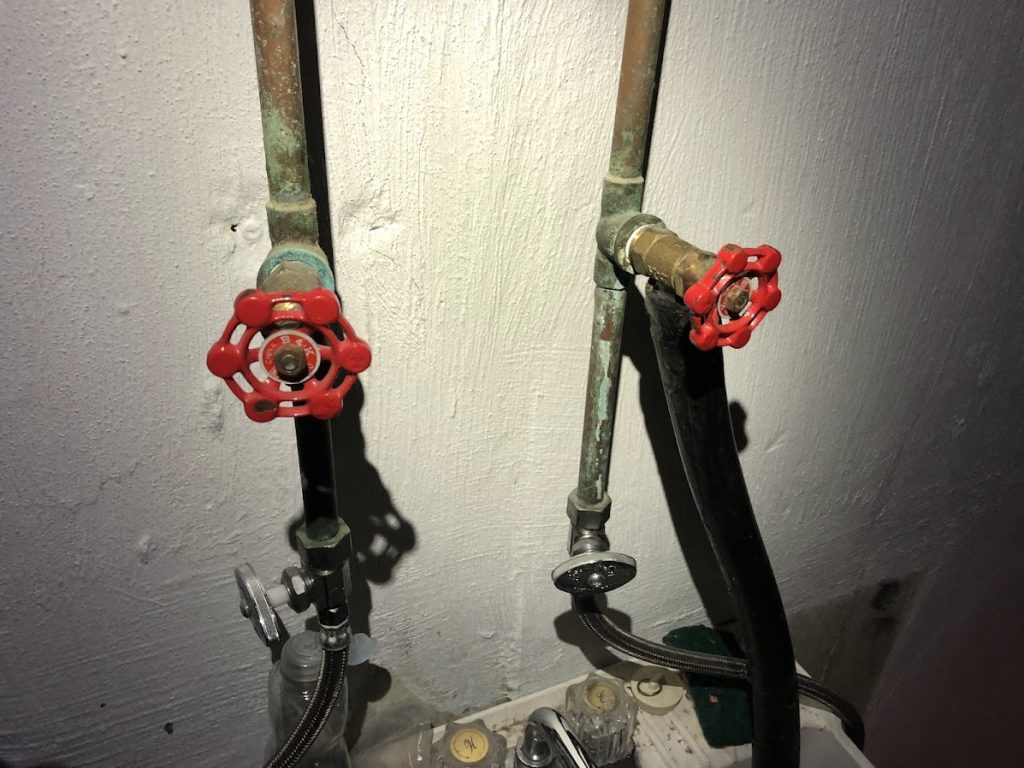
The single most useful thing a homeowner can do when a pipe bursts is stop the water fast, which means knowing where the shutoff valve is before it’s an emergency. Here’s what to look for and why it matters.
What Should Actually Happen in the First 24 Hours After a Water Emergency?
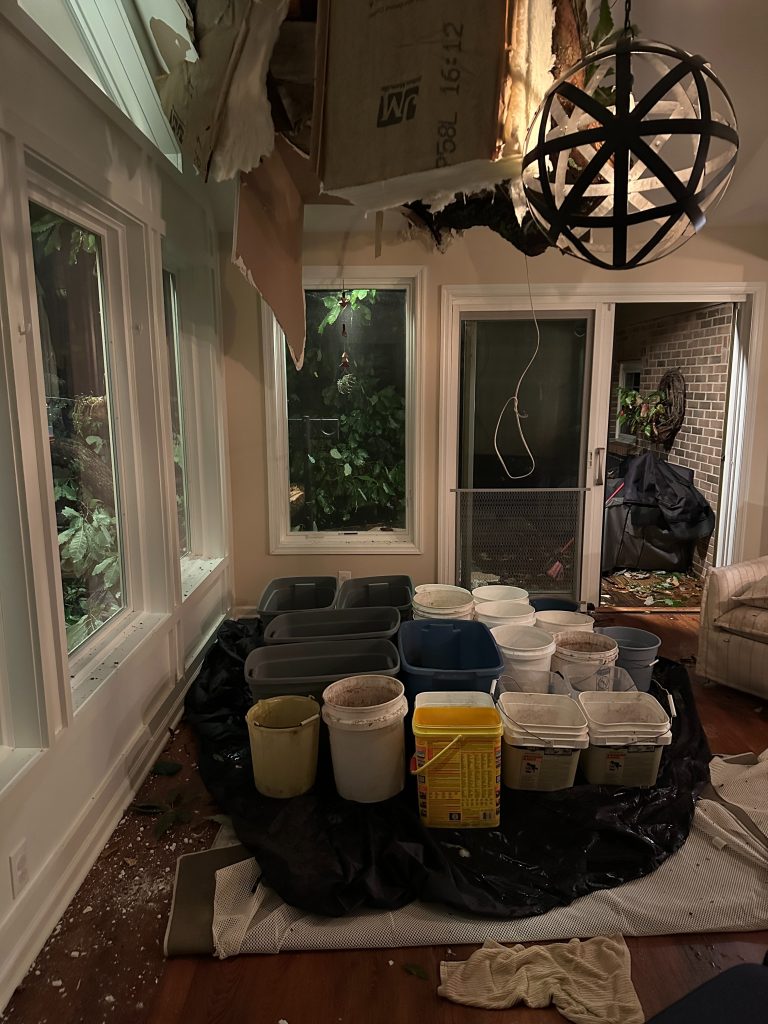
“24/7 emergency response” is a marketing phrase until you know what’s actually supposed to happen in that first day. Here’s what a real first-24-hours response looks like, and why the timeline matters more than the promise.
Can You Really Save Appliances After a Flood?
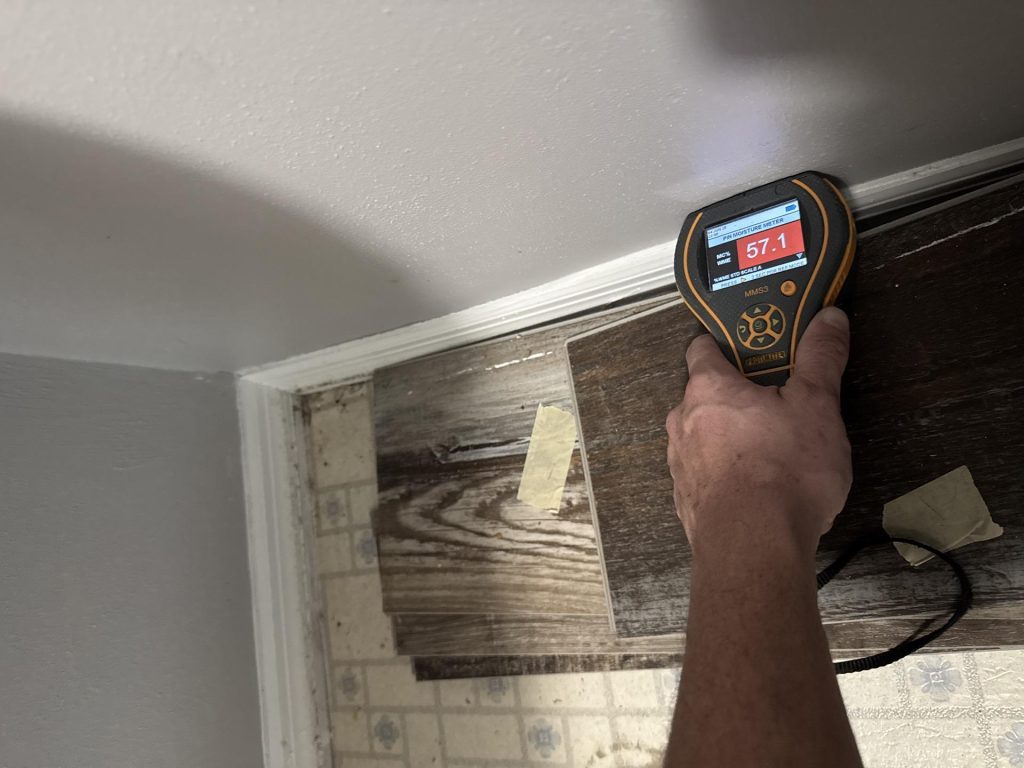
A flooded appliance that still turns on isn’t the same as a safe one. Here’s why electricity, not water, is the real risk after a flood, and how to tell what can actually be saved.
What’s the Difference Between Residential and Commercial Water Mitigation?
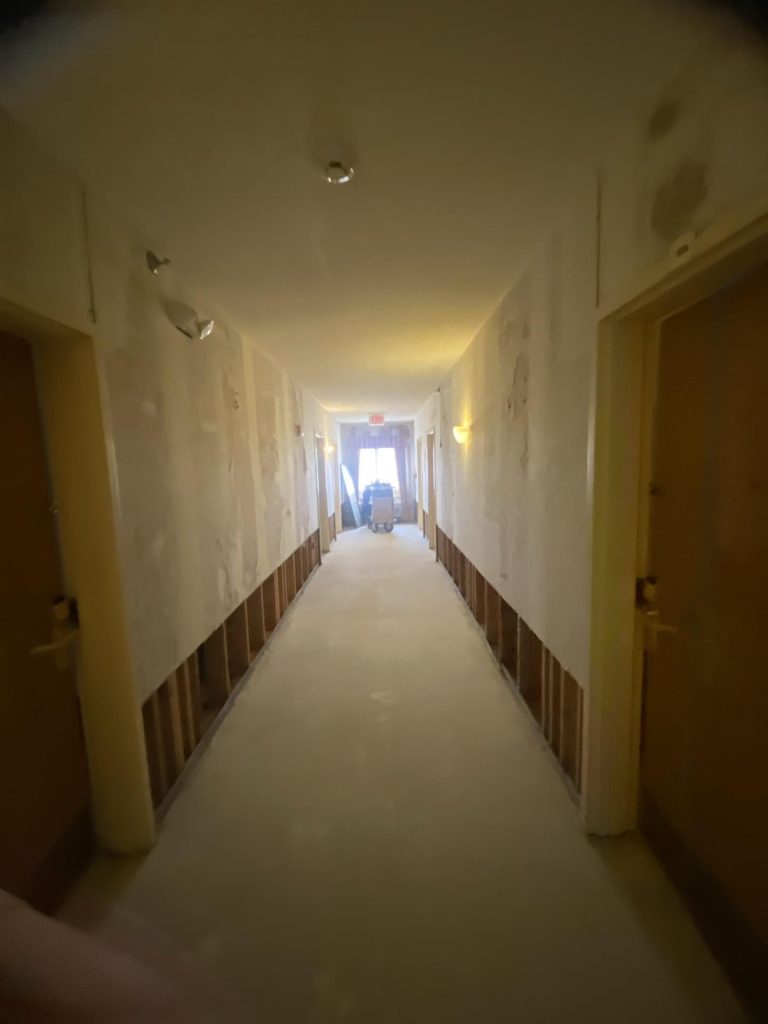
The science behind drying a water-damaged space doesn’t change between a house and a hotel. Almost everything else does. Here’s what actually separates residential and commercial mitigation.
Why Are My Fascia Boards Rotting? How Overflowing Gutters Damage Your Roofline Before You Ever See a Leak
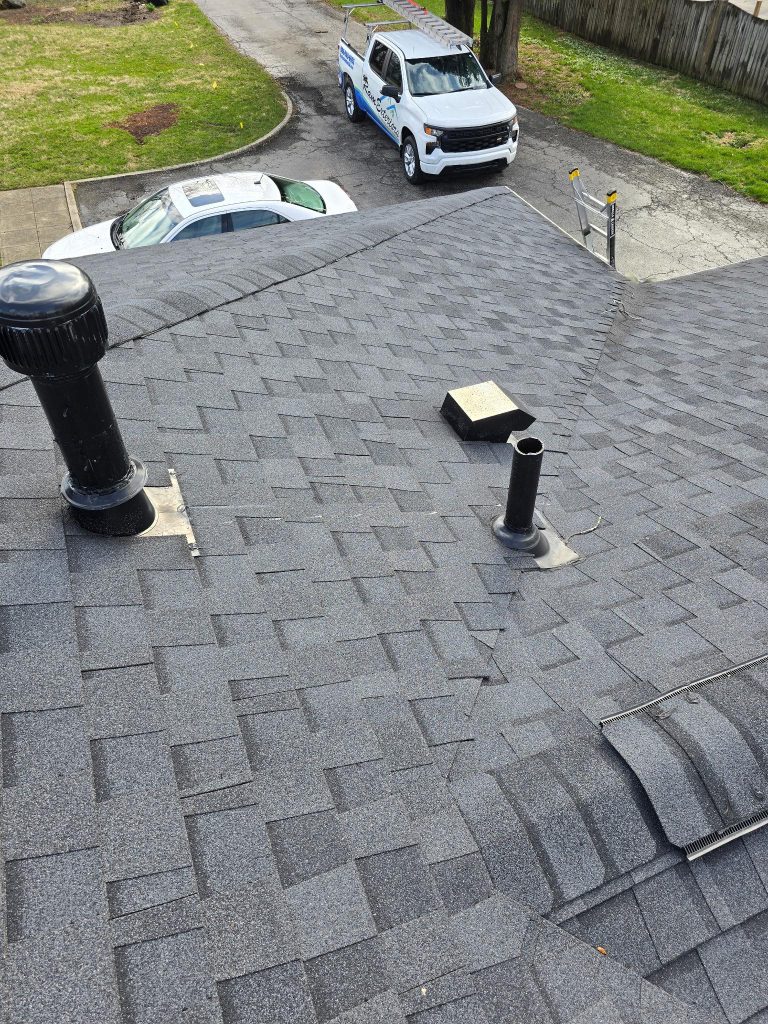
Fascia rot doesn’t show up overnight. It’s usually the visible end point of a clogged gutter overflowing onto the same board for weeks. Here’s how it actually happens, and why fall is when it catches up with people.
What Does Hidden Water Damage Actually Look Like Behind Walls and Floors?
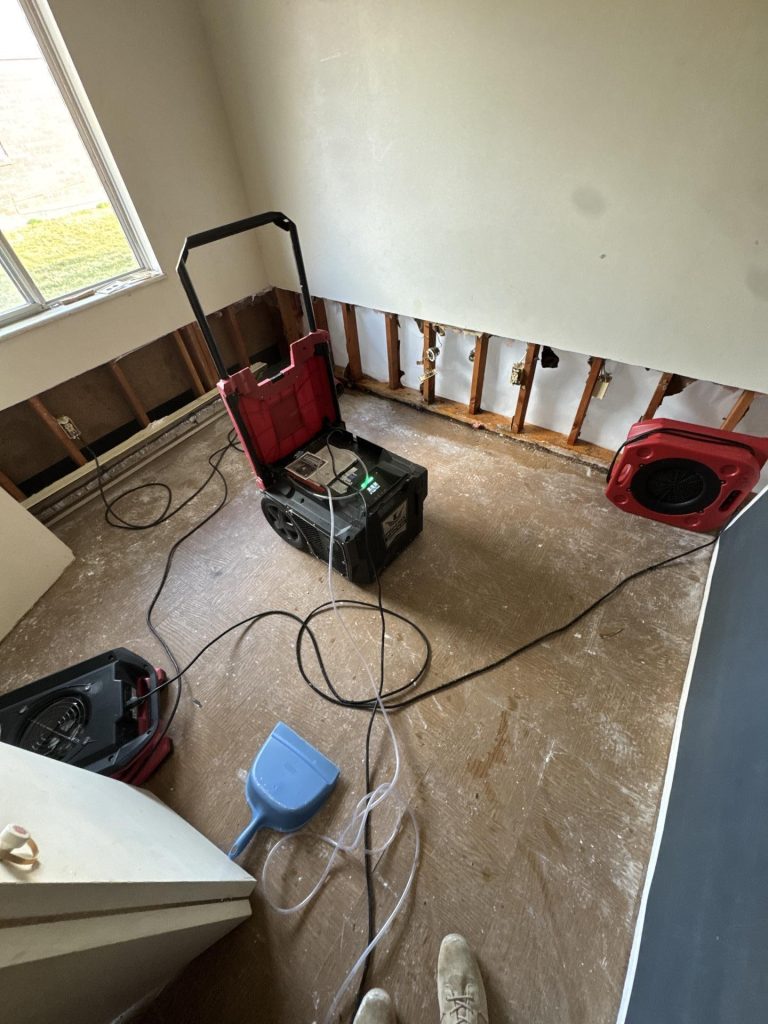
The water damage that costs the most is usually the kind nobody saw coming. Here’s what hidden water damage behind walls and floors actually looks like before it becomes visible.
How Do Restoration Contractors Rebuild to Match What Was Already There — and Actually Close Out the Claim?
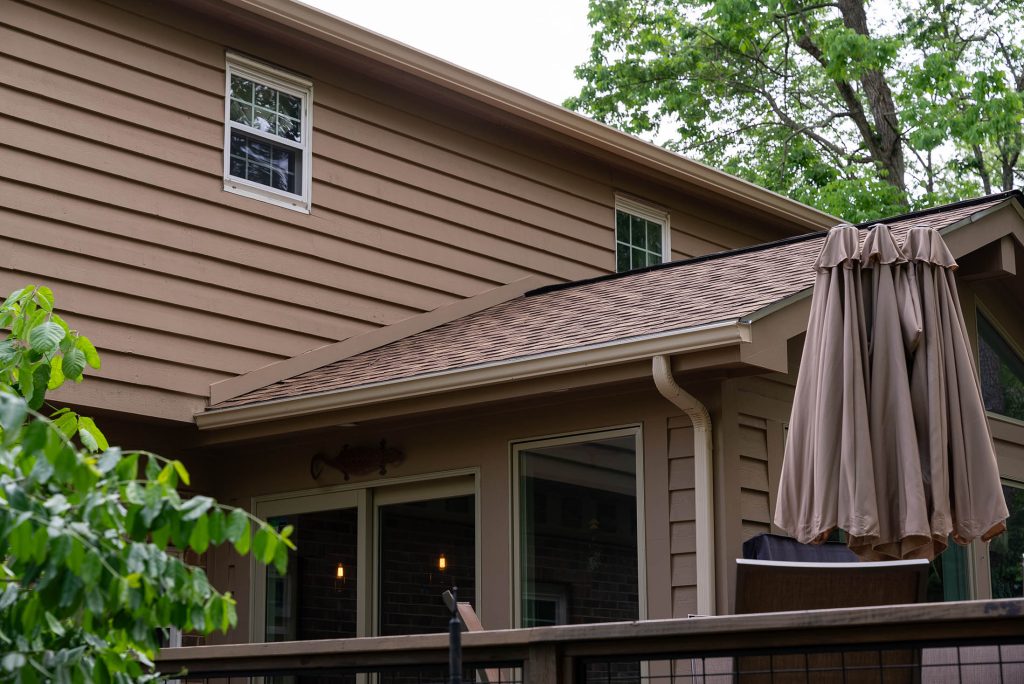
A rebuild isn’t just putting drywall back up. Ohio regulation actually governs how closely replaced materials have to match what was damaged, and a real closeout means real documentation. Here’s what that looks like.
What Really Happens During Water Extraction and Structural Drying?
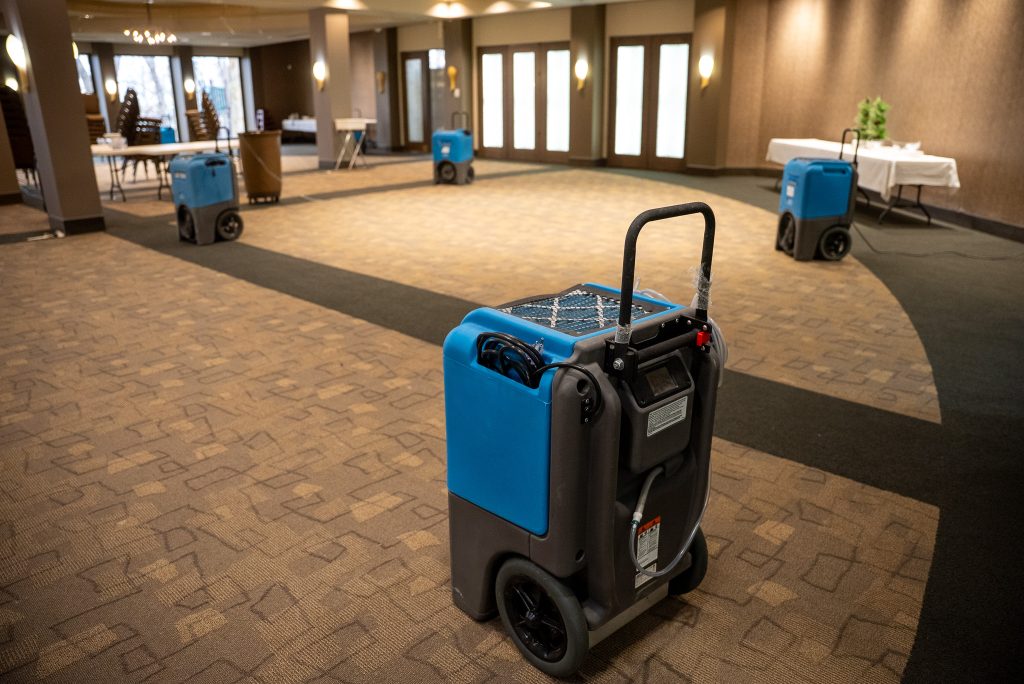
A room full of fans and dehumidifiers looks simple from the outside, but structural drying is a monitored, standards-based process, not “blow air at it until it feels dry.” Here’s what’s actually happening.
What Is Water Damage “Category” and “Class” — and Why Does It Determine Everything Else?
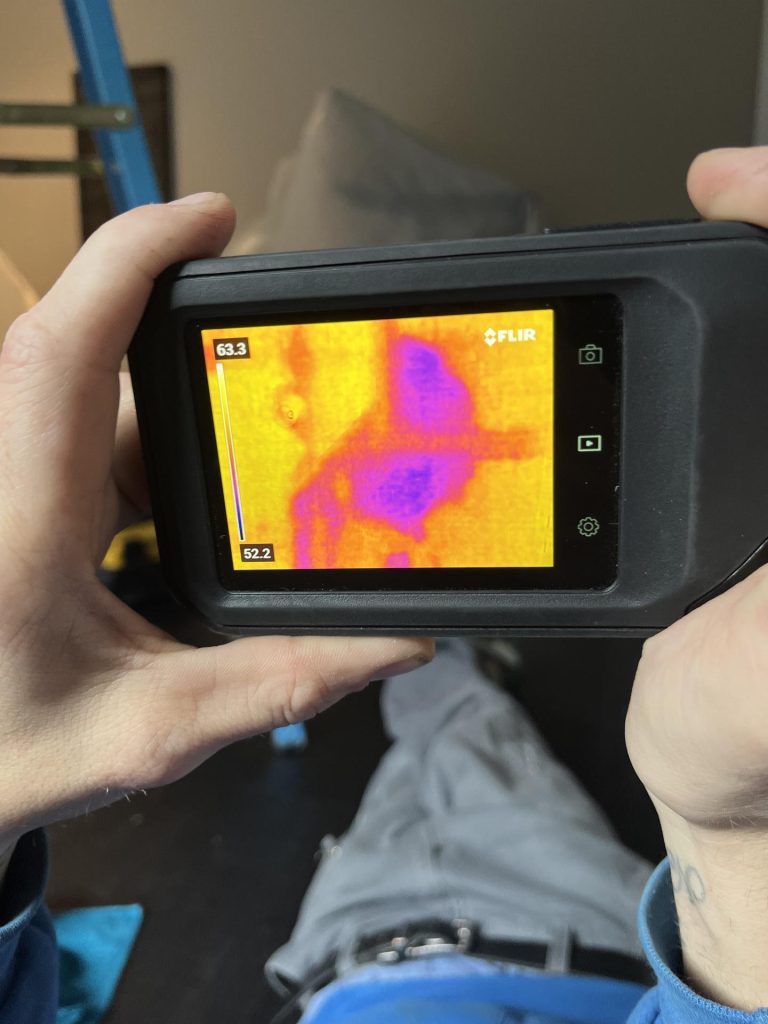
“Category 2, Class 3” isn’t jargon for its own sake, it’s a documented industry standard that determines what gets dried, what gets removed, and what your insurance claim relies on. Here’s what the terms actually mean.
Why Does My Basement Still Smell Musty in Late Summer, Even Without a Flood?
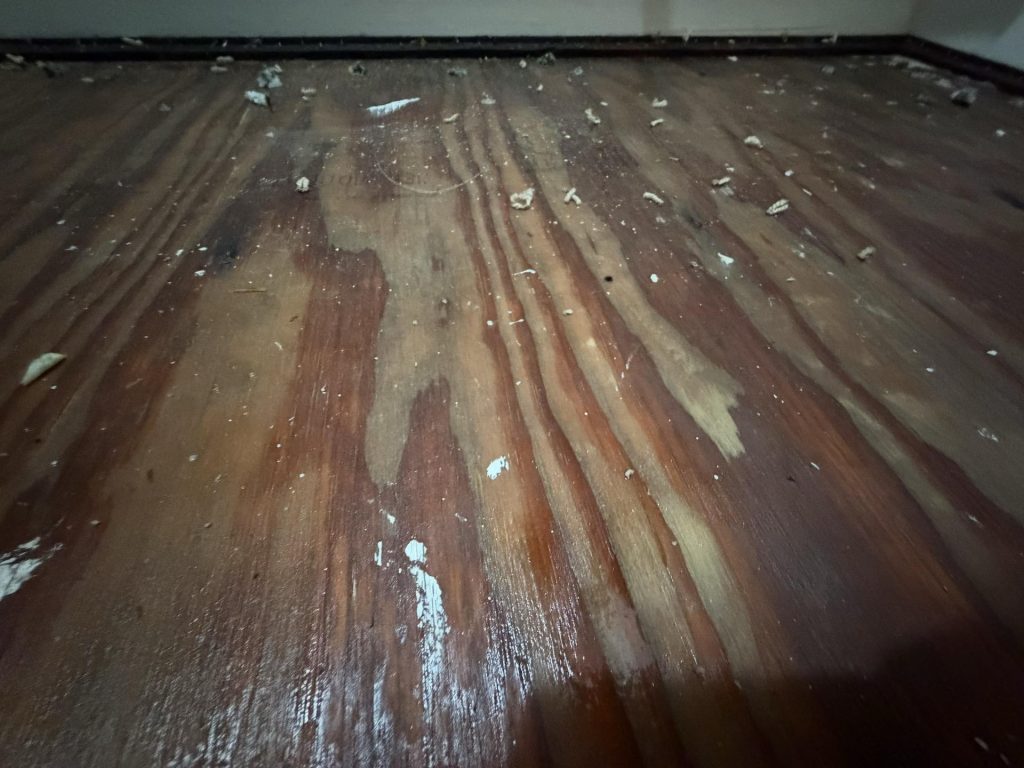
No flood, no leak, but the basement still smells musty? Here’s what that smell actually means, and why it usually comes down to humidity, not a single event.
What Does That Number On The Moisture Meter Actually Mean?

A moisture meter reading only means something once you know what it’s being compared against. Here’s how restoration crews read the number.
The Standing Water Is Gone. Why Is The Drying Equipment Still Running?

Extraction and drying aren’t the same step. Here’s why the equipment stays running well after the standing water is already gone.
What Happens To A Room After The Water Damage Restoration Equipment Leaves?

Drying finished doesn’t mean the job is finished. Here’s what has to happen between equipment removal and rebuilding a water-damaged room.