
Is Your Homeowners Policy Actually Enough? What a Colorado Wildfire Revealed About Coverage Gaps
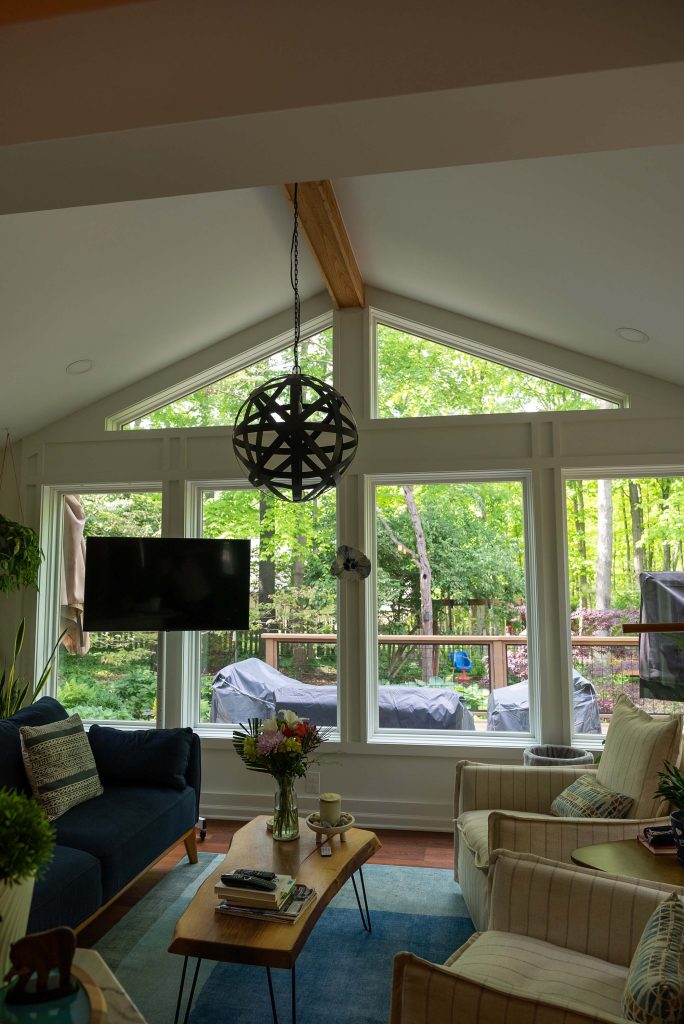
A Colorado wildfire gave researchers a rare, direct look at how many homeowners were actually underinsured. The results, even in an affluent area, were higher than most people would guess.
Why Are My Fascia Boards Rotting? How Overflowing Gutters Damage Your Roofline Before You Ever See a Leak
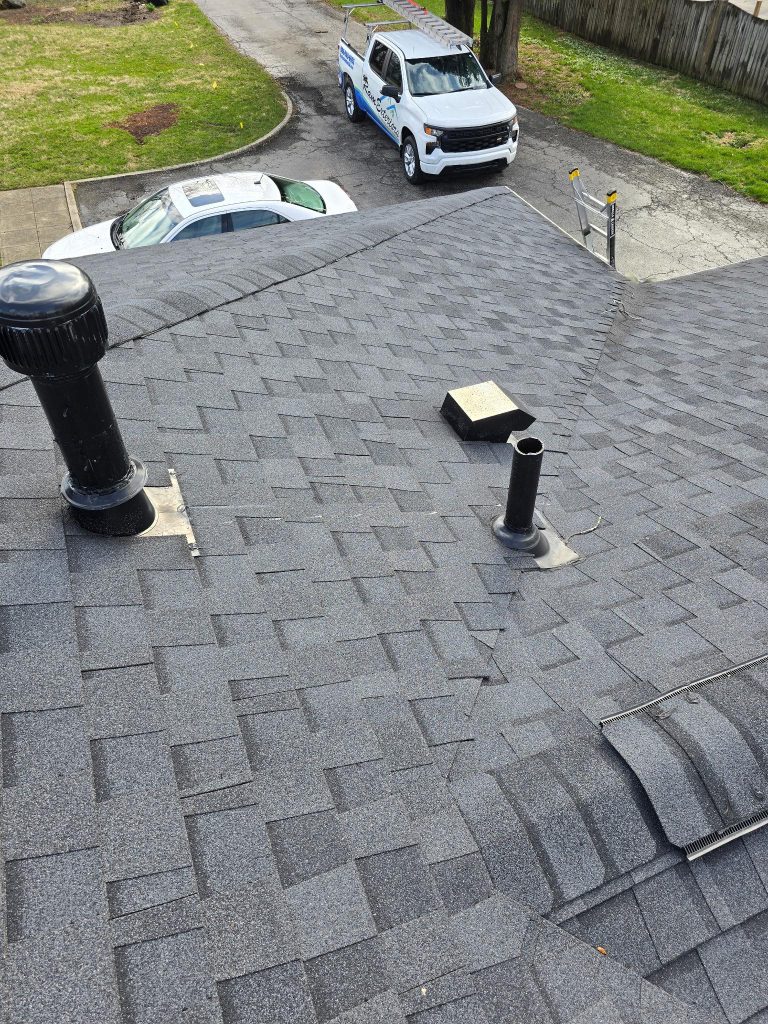
Fascia rot doesn’t show up overnight. It’s usually the visible end point of a clogged gutter overflowing onto the same board for weeks. Here’s how it actually happens, and why fall is when it catches up with people.
How Can Property Managers Minimize Downtime After a Commercial Water Loss?
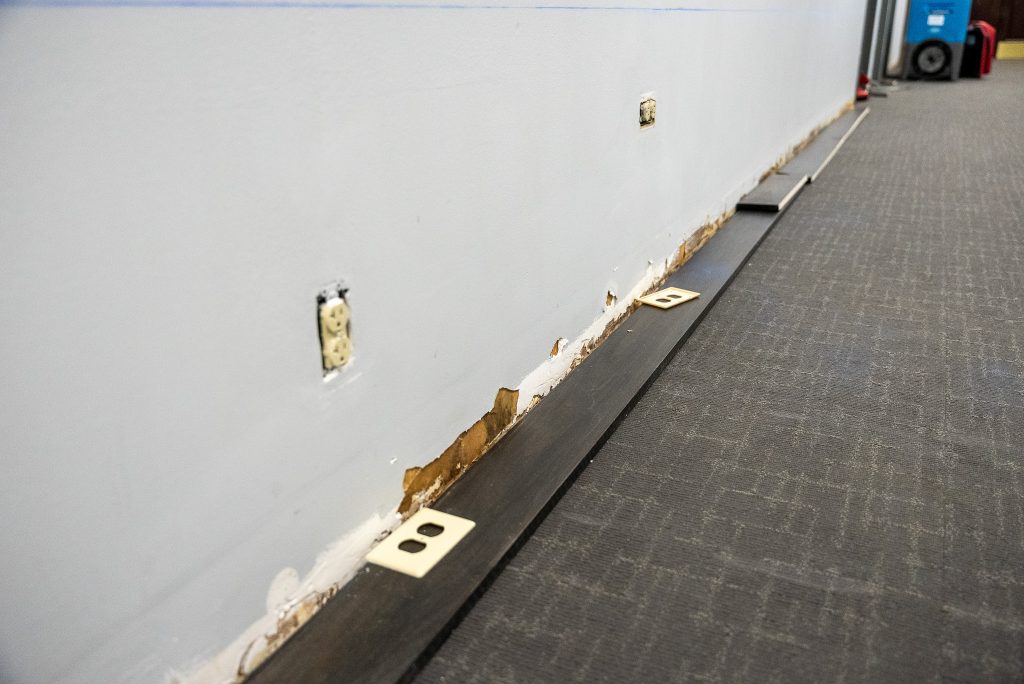
Downtime after a commercial water loss is mostly decided in the first 24 hours. Here’s the property-manager framework for keeping a water event from becoming a closure.
What Does Hidden Water Damage Actually Look Like Behind Walls and Floors?
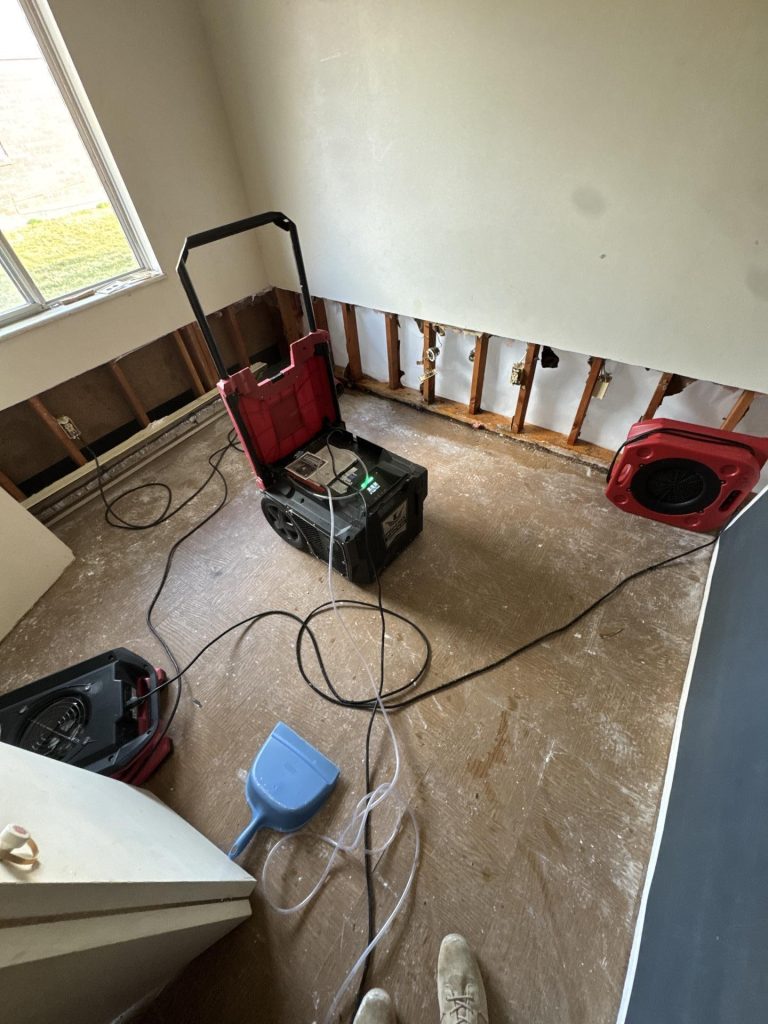
The water damage that costs the most is usually the kind nobody saw coming. Here’s what hidden water damage behind walls and floors actually looks like before it becomes visible.
How Do Restoration Contractors Rebuild to Match What Was Already There — and Actually Close Out the Claim?
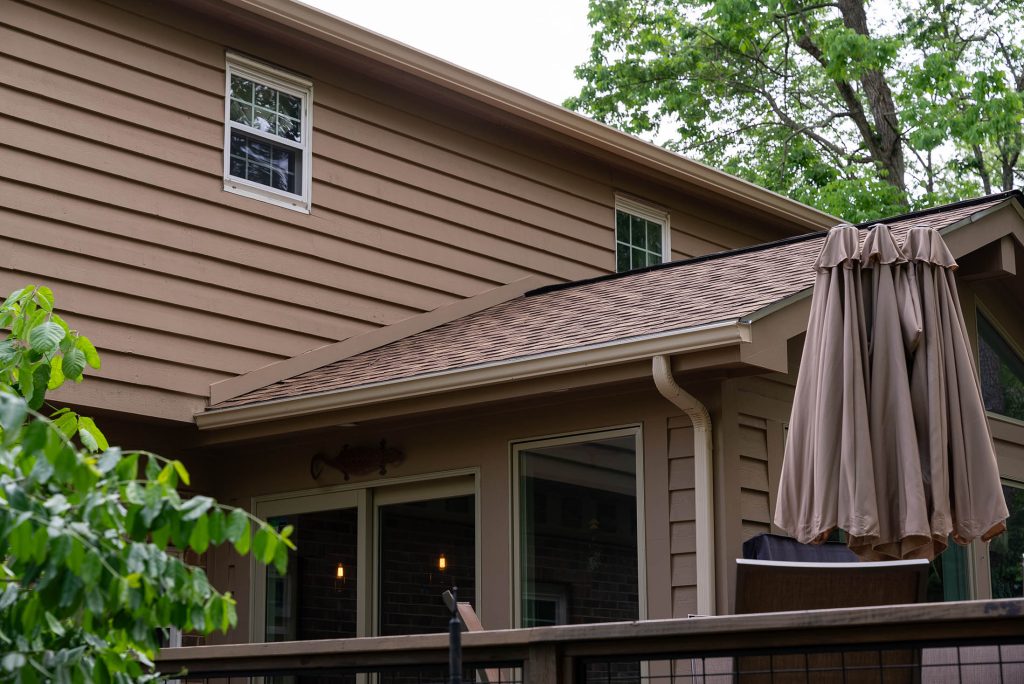
A rebuild isn’t just putting drywall back up. Ohio regulation actually governs how closely replaced materials have to match what was damaged, and a real closeout means real documentation. Here’s what that looks like.
What Really Happens During Water Extraction and Structural Drying?
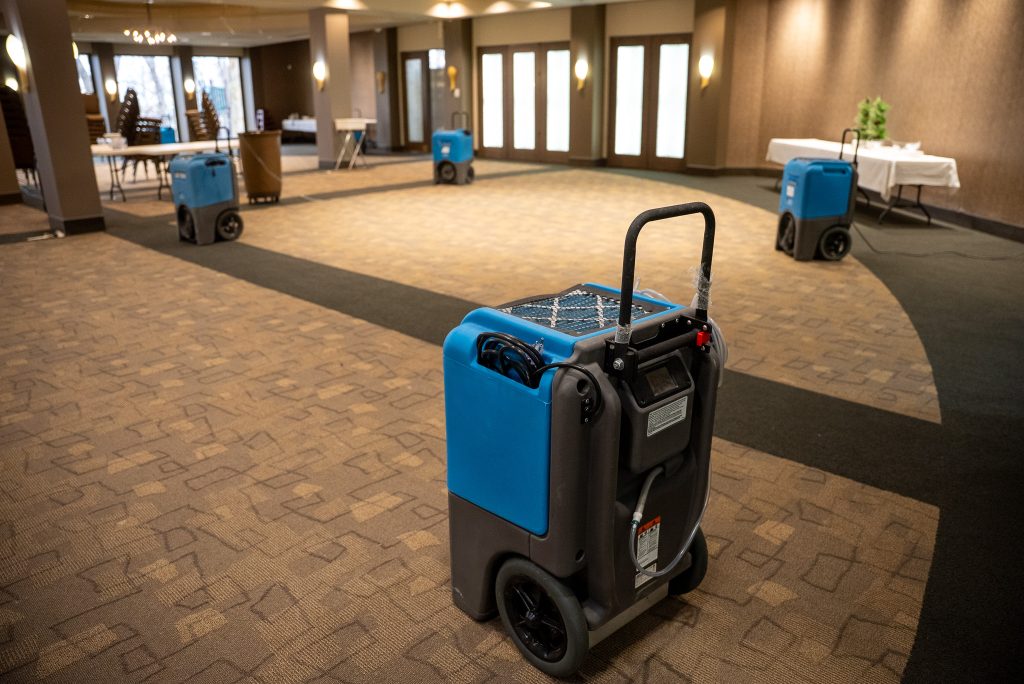
A room full of fans and dehumidifiers looks simple from the outside, but structural drying is a monitored, standards-based process, not “blow air at it until it feels dry.” Here’s what’s actually happening.
What Is Water Damage “Category” and “Class” — and Why Does It Determine Everything Else?
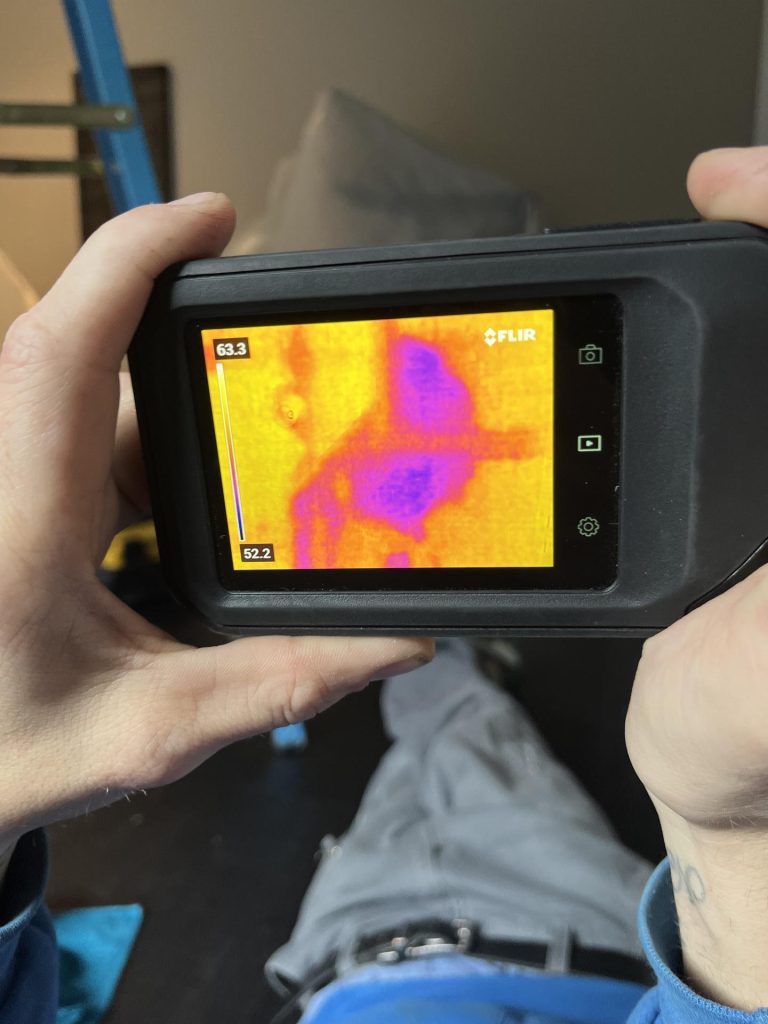
“Category 2, Class 3” isn’t jargon for its own sake, it’s a documented industry standard that determines what gets dried, what gets removed, and what your insurance claim relies on. Here’s what the terms actually mean.
Why Does Smoke Smell Linger in a House Long After a Fire Is Out?
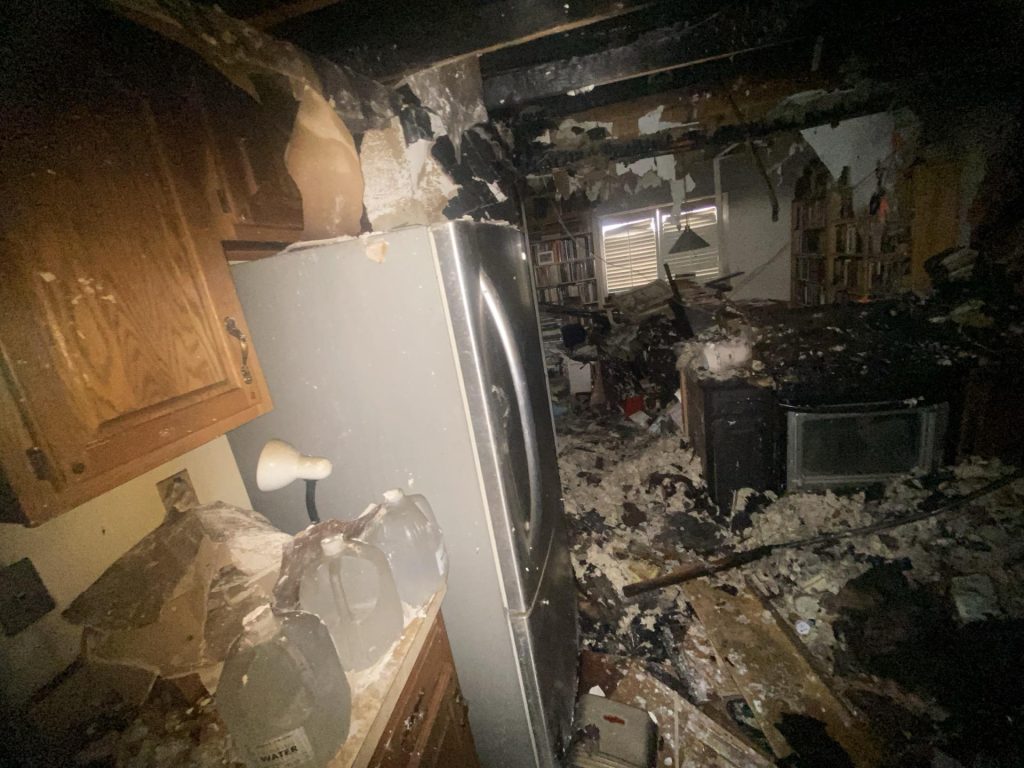
A fire can be fully out and still leave its smell in rooms it never touched. Here’s the actual mechanism behind lingering smoke odor, and why cleanup has to include the ductwork.
Why Does My Basement Still Smell Musty in Late Summer, Even Without a Flood?
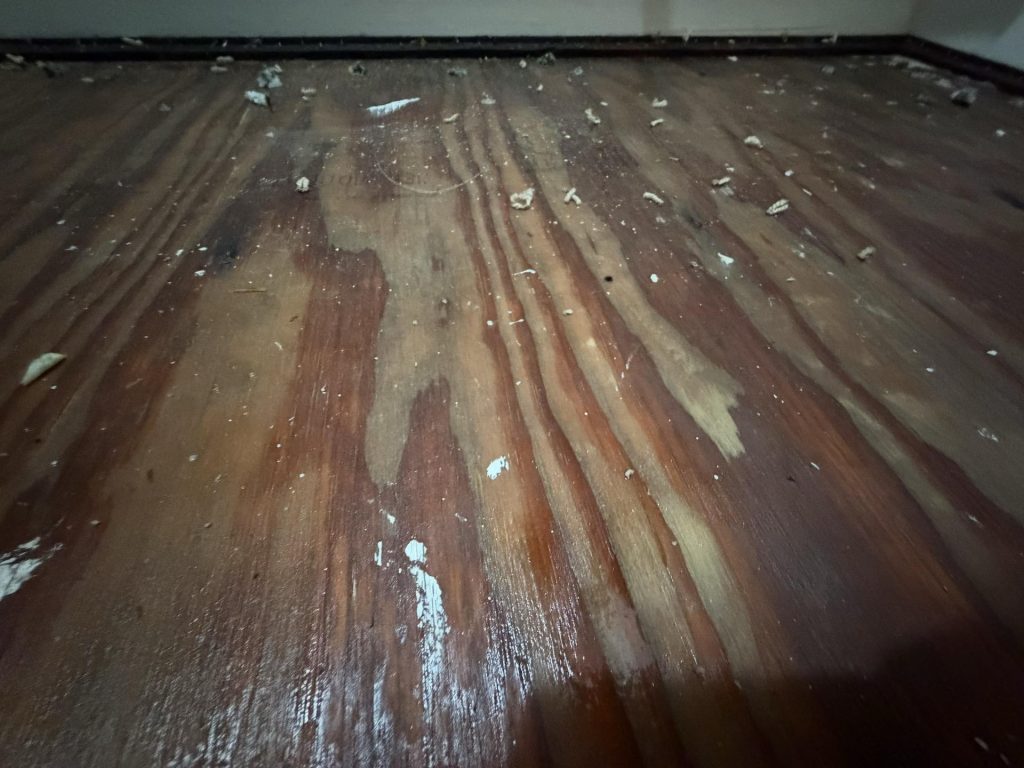
No flood, no leak, but the basement still smells musty? Here’s what that smell actually means, and why it usually comes down to humidity, not a single event.
What Does That Number On The Moisture Meter Actually Mean?

A moisture meter reading only means something once you know what it’s being compared against. Here’s how restoration crews read the number.
The Standing Water Is Gone. Why Is The Drying Equipment Still Running?

Extraction and drying aren’t the same step. Here’s why the equipment stays running well after the standing water is already gone.
Why Does Water Damage Show Up At The Baseboard Before Anywhere Else?

Baseboards often show water damage before the rest of the room does. Here’s why the low edges tell the story first.
What Happens To A Room After The Water Damage Restoration Equipment Leaves?

Drying finished doesn’t mean the job is finished. Here’s what has to happen between equipment removal and rebuilding a water-damaged room.
How Do Restoration Crews Actually Know When A Water-Damaged Area Is Dry?

A dry-looking wall isn’t the same as a dry wall. Here’s how moisture meters and documented readings tell the real story after water damage.
Can a Summer Storm Really Start a House Fire? What Dayton Homeowners Should Know

Lightning doesn’t have to strike your house directly to start a fire. Here’s how storm-related power surges cause fire damage days after the storm has already passed.
Why This Summer’s Heat Is Fueling Dayton’s Basement-Flooding Storms

Dayton’s heat wave is turning ordinary summer storms into flash-flood events — and the same heat is speeding up how fast mold grows once a basement floods.
Commercial Water Damage: What to Do, What to Expect, and Why the Clock Matters

A burst pipe in a commercial building hits differently than one in a home. At home, you’re dealing with damaged belongings and disrupted routines. In a commercial space, you’re also dealing with business interruption, liability, employee safety, and in many cases, a landlord or building owner who needs to be in the loop. The pressure […]